
Toyota Marks Carbon-Neutral Milestone at Deeside Engine Plant
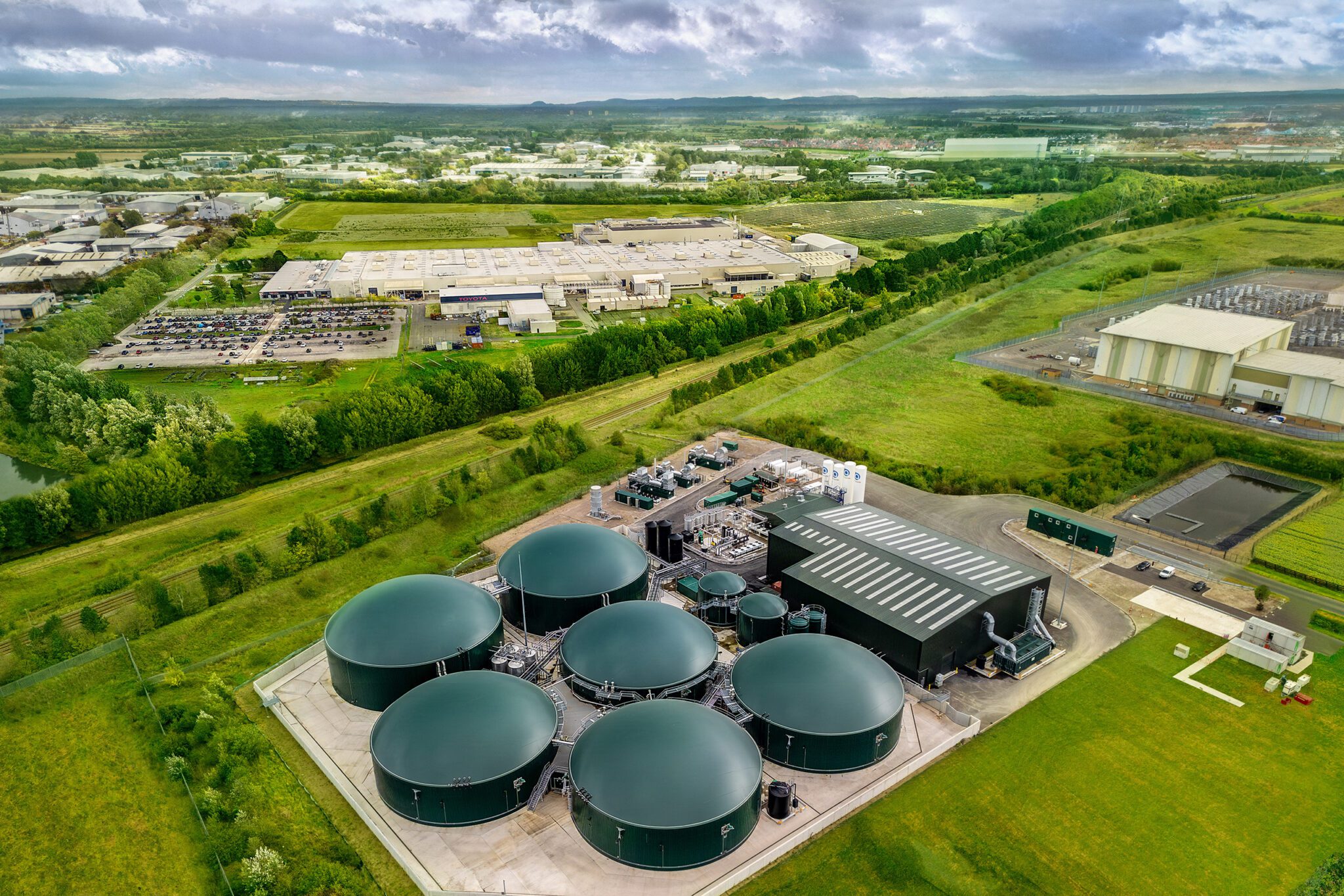
Toyota has reached a significant manufacturing milestone in Europe, confirming that its Deeside engine facility in North Wales is now operating on a carbon-neutral basis. This achievement makes the site the first Toyota factory outside of Japan to reach this status, representing a major step in the company’s broader environmental strategy. The transition was made possible by shifting away from natural gas to biomethane, effectively closing the plant’s remaining emissions gap and preventing nearly 3,000 tonnes of carbon dioxide from entering the atmosphere annually.
The technical backbone of this shift is a privately funded anaerobic digester located next to the facility. This infrastructure project, valued at €329 million (approximately US$385 million), processes roughly 180,000 tonnes of local waste each year. Through underground links, the digester supplies both gas and power directly to the manufacturing lines. Beyond this local energy generation, Deeside also purchases renewable electricity and has successfully eliminated landfill waste from its operations.
Dariusz Mikolajczak, Managing Director of Toyota Motor Manufacturing UK, framed the achievement as the result of long-term cultural dedication rather than a single quick fix. He noted that for over thirty years, team members have consistently sought ways to minimize energy consumption, waste, and environmental impact. While major technological investments have played a role, Mikolajczak emphasized that thousands of small, incremental improvements suggested by employees have been equally vital in reaching this carbon-neutral manufacturing milestone.
The Deeside plant is a critical part of Toyota’s European production network, currently manufacturing 1.8-litre hybrid and gasoline engines for the Corolla and C-HR models. In a notable example of circular manufacturing, some engine blocks are produced using aluminium reclaimed from scrapped alloy wheels. This approach aligns with Toyota Motor Europe’s ambitious goal to achieve carbon neutrality across all its European facilities by 2030, a target that this Welsh plant has now met ahead of schedule.
What do you think?