
Tier IV Hands Its Autonomous Bus to Australian Operators for Real-World Trials
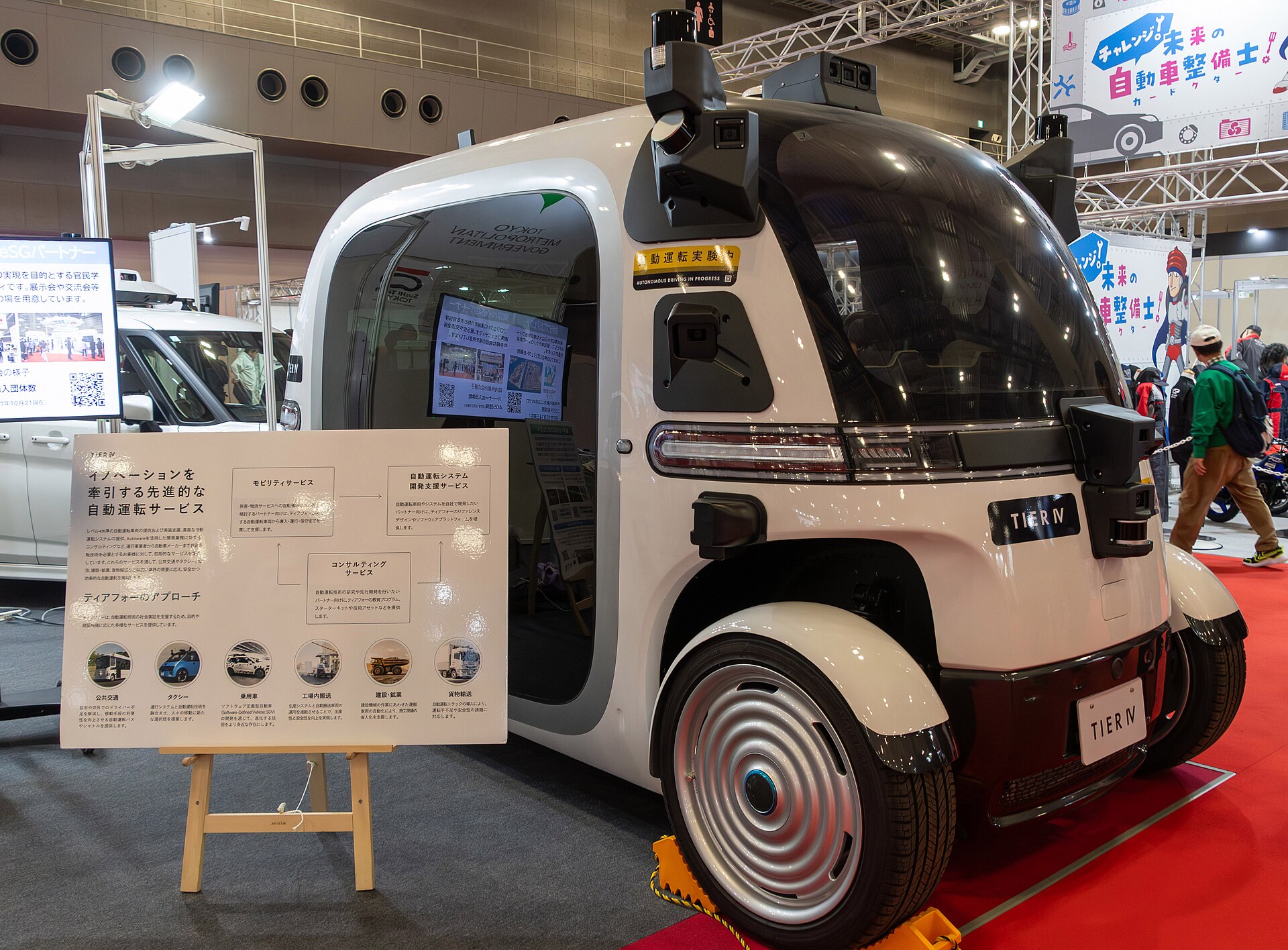
A 15-seat electric autonomous bus built by Japan’s Tier IV is now available to transport agencies, operators, councils and airports across Australia and New Zealand for demonstrations and service trials — and some of those runs will happen on public roads, not just closed tracks.
The vehicle has been named Rita, a nod to Rita Excell, who worked with NTRO’s predecessor body on Australia’s first autonomous vehicle trial back in 2015. Track testing has already been used to adapt the bus to local conditions, and the programme spans both fully driverless operation and supervised conditional automation, which gives operators room to scale up in stages rather than jumping straight to unattended service.
Why a bus, and why now
The National Transport Research Organisation (NTRO) frames the project around two pressures. The first is Australia’s national target of zero road deaths and serious injuries by 2050. The second is a driver shortage expected to bite harder as the existing workforce retires.
NTRO Chief Executive Michael Caltabiano argues the economics work best on shorter, community-level runs — taking elderly residents to shops and hospitals. Those services, he says, would be both cheaper to run and greener than the current fleet.
“Building on our experience deploying autonomous buses across Japan, this collaboration demonstrates how advanced autonomous driving solutions can be safely and effectively applied to improve public transport.” — Shinpei Kato, Founder and CEO, Tier IV
Tier IV has already put autonomous buses into service in Japan, so the Australian programme is less a first experiment than a transplant of an existing playbook into a new regulatory and road environment. That distinction matters: the hard part here is not the driving stack itself, but convincing local authorities and operators that the service model holds up.
What operators actually get
- A working vehicle: a 15-seat electric bus, already track-tested for Australian conditions
- Two automation modes: driverless running and supervised conditional automation
- Access for multiple sectors: transport agencies, private operators, local councils and airports
- Cross-border scope: trials open in both Australia and New Zealand
- A staged path: demonstrations first, service trials later, public roads included
Opening the bus to third parties rather than running a single in-house pilot is the more interesting move. Councils and airports rarely have the budget to commission their own autonomous vehicle research, but they do have fixed, predictable routes — exactly the kind of environment where automation tends to perform best.
Whether Rita becomes a template or a footnote will depend on what those trials show once passengers are aboard. For now, the doors are open and the testers are being invited in.
Photo: SuFlyer · Wikimedia Commons (CC0)
Source: Automotive World
What do you think?