
This Week in Software-Defined Vehicles: QNX Hits Record Revenue as Nissan and KGM Bet on AI Driving Systems
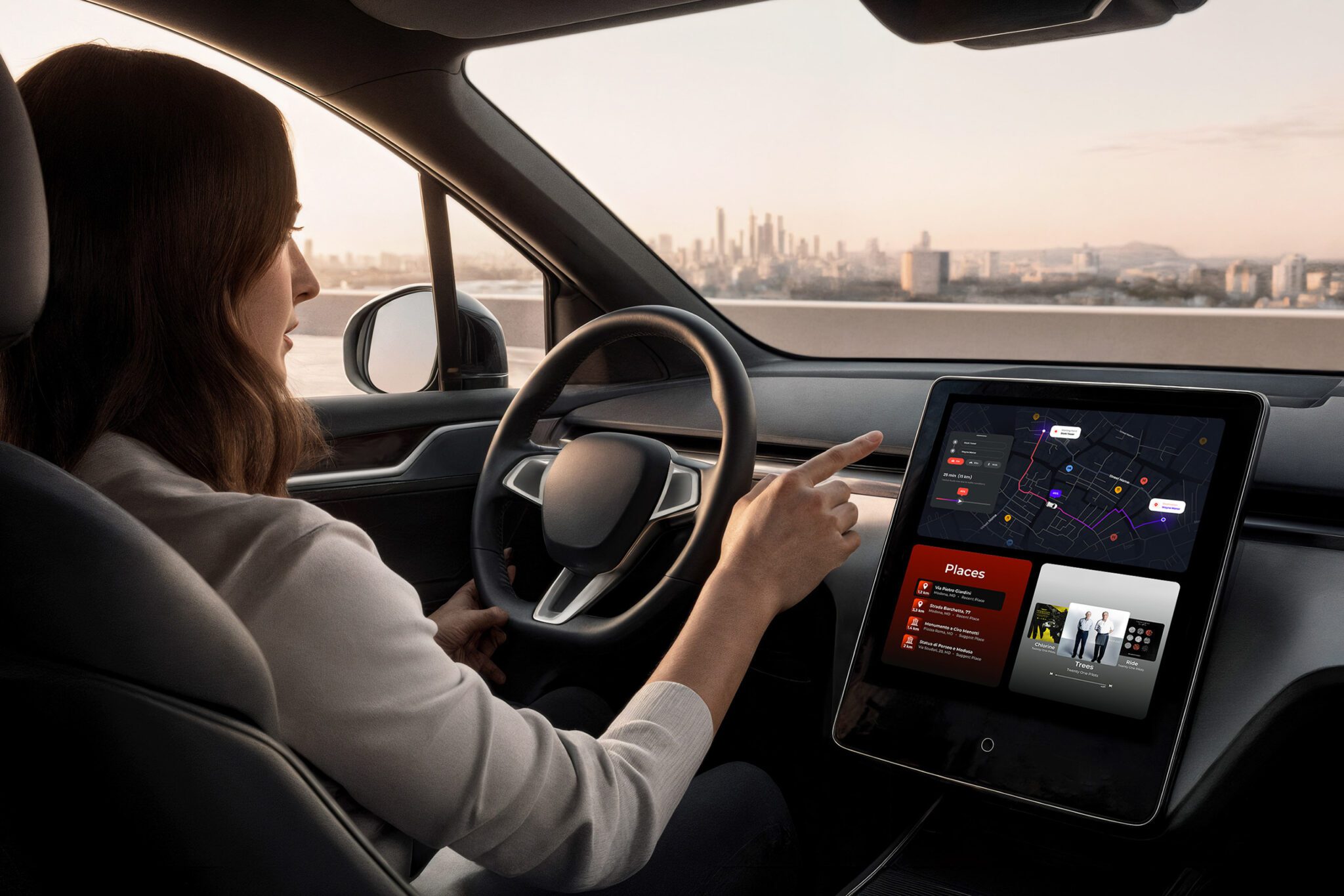
BlackBerry’s QNX division has posted its strongest quarter to date, generating US$80.3m in revenue — a 27% jump that underscores how deeply embedded automotive software has become in the modern vehicle stack. The unit’s growth arrives as software-defined vehicle architecture moves from concept to production reality across the industry.
Nissan is preparing its next-generation ProPilot assisted driving system and has chosen France-based Valeo as lead system supplier. The setup will lean on AI driving software from Wayve, a UK firm whose machine-learning approach to autonomy has attracted attention from multiple automakers. The shift signals how traditional suppliers and AI specialists are increasingly being paired in development pipelines.
Korean manufacturer KGM is also planning future production cars that combine a software-defined vehicle platform developed by Hyundai Mobis with RideFlux’s AI-based driving system. The arrangement reflects a growing pattern of modular collaboration, where OEMs assemble vehicle intelligence from specialist partners rather than building everything in-house.
Adding to the momentum, an unnamed major German automaker has selected neueHCT’s smart camera system — which runs on QNX software — for a global vehicle platform scheduled to enter production in 2027. The win extends QNX’s reach into yet another high-volume program at a time when camera-based sensing is central to both ADAS and autonomous features.
Taken together, these developments show a sector in the middle of a structural transition. Revenue growth for software specialists, strategic supplier selections by legacy automakers, and cross-border partnerships between AI firms and tier-one suppliers all point in the same direction: the value in tomorrow’s vehicles is increasingly defined by code, not just hardware.
What do you think?