
Nissan, Peugeot, Jeep and KGM Move to Lock In Their AI Driving Partners
The automotive industry’s race to build credible automated driving systems is increasingly being decided not in-house, but through partnerships — and this week’s wave of announcements shows just how quickly that supplier landscape is consolidating.
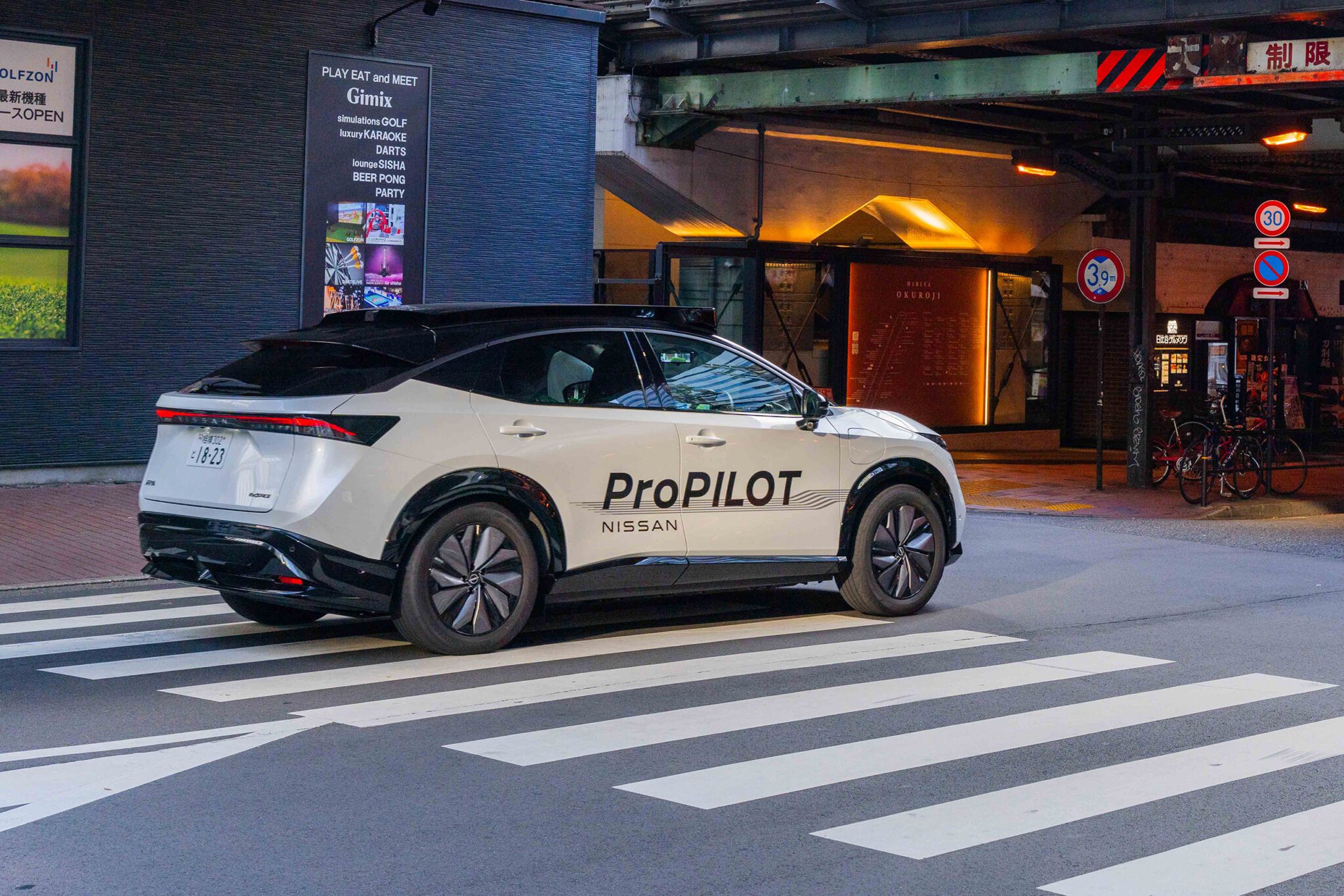
At the centre of it is Nissan, which has chosen Valeo as the lead system supplier for its next-generation ProPilot technology. Crucially, the system will lean on AI driving software developed by Wayve, the British startup that has spent years building end-to-end machine learning approaches to autonomy. For Nissan, the decision signals a willingness to hand a core piece of its driver-assistance stack to outside specialists rather than develop everything internally. For Valeo, it is a significant vote of confidence in its ability to integrate third-party AI software into production-grade hardware.
Nissan is not alone in shopping for expertise. Momenta has signed a global agreement to develop advanced driver assistance systems for upcoming Peugeot and Jeep models, extending the Chinese AI specialist’s reach into the portfolios of two major Western brands. Meanwhile, RideFlux has struck a deal with KG Mobility (KGM) and Hyundai Mobis to supply its AI-based driving system for future KGM production cars — a notably domestic-flavoured arrangement that pairs a Korean automaker with two Korean technology partners.
Taken together, these three deals point to a clear pattern: automakers are no longer asking whether to source automated driving intelligence externally, but which partner to choose. The competitive advantage is shifting from owning the entire stack to assembling the right combination of sensors, integration expertise and, above all, software that can actually learn from real-world data at scale. Wayve, Momenta and RideFlux each represent a different geography and technical philosophy, yet they are all chasing the same prize — a place in a mass-production vehicle programme.
Not every AI push this week was aimed at the driver. GM has launched OnStar Fleet Intelligence, a platform that blends vehicle data, connected services and AI-driven analysis for commercial operators. It is a reminder that the commercial case for automotive AI may arrive sooner in fleet management and logistics, where measurable efficiency gains are easier to demonstrate than in consumer-facing autonomy — and where operators are already accustomed to paying for data-driven tools.
What do you think?