
This Silverado EV Owner Towed 4,700 Pounds, Then Kept the Camper Cool When the Power Went Out
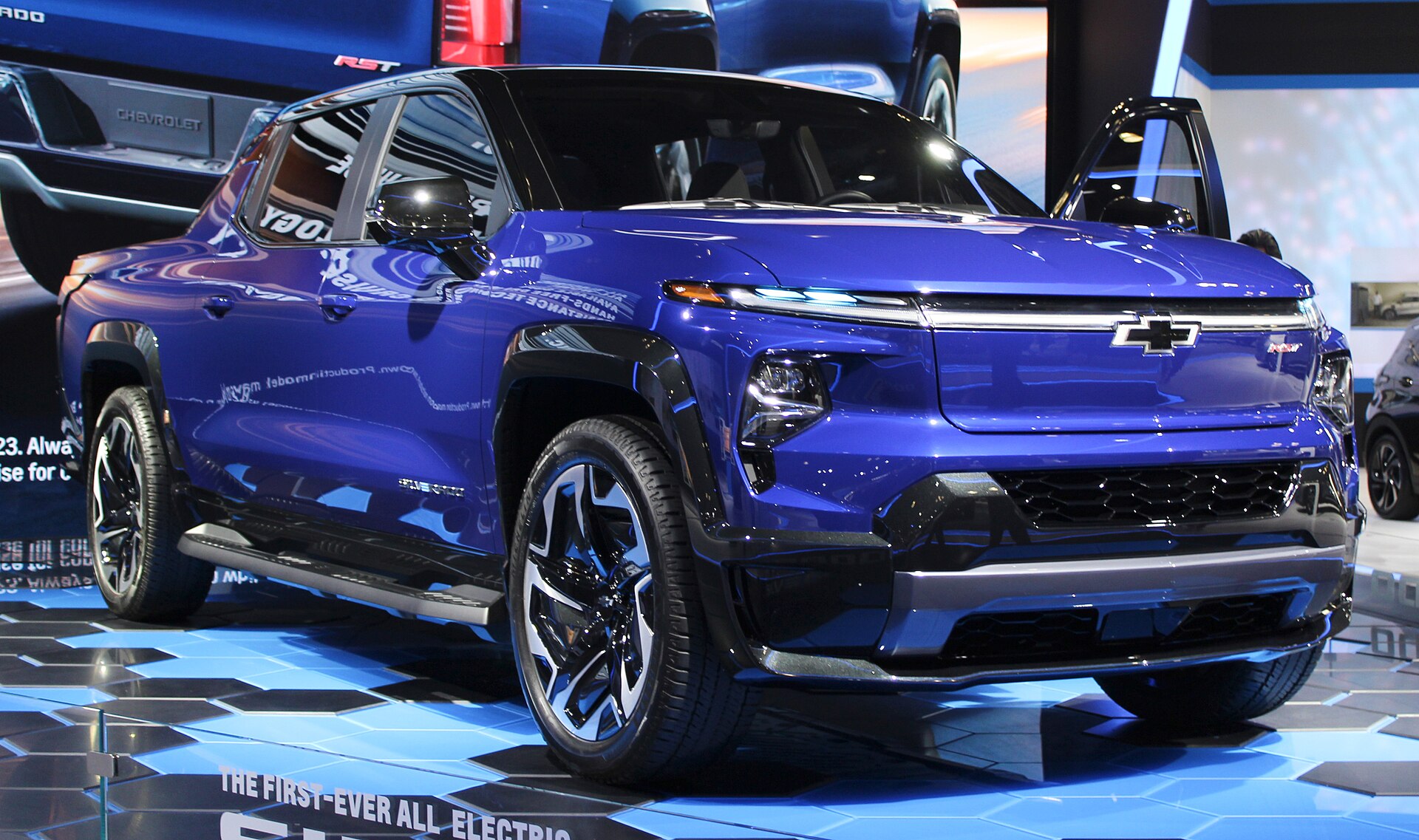
A Silverado EV RST owner who goes by MIDIHorse on Reddit recently shared details of a camping trip from South Carolina to North Dakota, and his experience offers a real-world look at what it’s like to tow with a big electric pickup. The camper, a Grand Design Imagine 16ML, weighed 4,702 pounds with empty water tanks. The truck is an RST with the Max battery.
When the campground lost power on a hot night, MIDIHorse had a backup: the Silverado’s bed outlet. He plugged in the camper and ran the air conditioning. The same outlet had already powered a microwave during lunch stops. Chevrolet’s PowerBase system lets owners set time limits and a battery reserve, which matters when the truck still has to pull the camper the next morning. MIDIHorse didn’t share how much juice the A/C used, so the exact impact on range remains unclear.
Wind and Weight Take a Toll
The rig is eight feet wide and 10 feet 9 inches tall. MIDIHorse kept his speed to 65 mph, but in North Dakota he faced headwinds and crosswinds of 20 to 30 mph. Efficiency dropped to as low as 0.6 miles per kilowatt-hour.
His average was 0.9 mi/kWh, and the best he saw was 1.2. At the worst rate, each mile used about 50% more energy than at his average. With 100 kWh available for driving, that works out to roughly 60 miles at the worst rate versus 90 at the average—a difference that can erase a comfortable cushion between chargers.
Charging Stops Don’t Always Fit a Trailer
MIDIHorse found pull-through charging in Minnesota and Wisconsin, but he still had to unhitch twice by the time of his post. Even with the Max battery, some stops required finding a place to leave the trailer. He used PlugShare to pick campgrounds that welcome EVs, a step separate from booking a site with electrical hookups.
Payload Is the Other Number to Watch
He also reported a 575-pound tongue weight and a 1,540-pound payload rating for his truck. Subtract the tongue weight and he has 965 pounds left for occupants and cargo. That’s why payload can become the limiting factor before the trailer’s total weight does. Adding water to the camper would also increase the load.
The trip shows that towing with an electric truck still requires planning around charger placement, trailer-friendly stops, and weather. But when the campground went dark, the truck’s battery had enough left to keep everyone comfortable. The same energy that moved the camper also salvaged the night.
Source: Torque News
Curious how this compares to other EVs? Try our comparison tool →What do you think?