
The Ferrari Look Without the Ferrari Price: 1984 Bitter SC Up for Sale
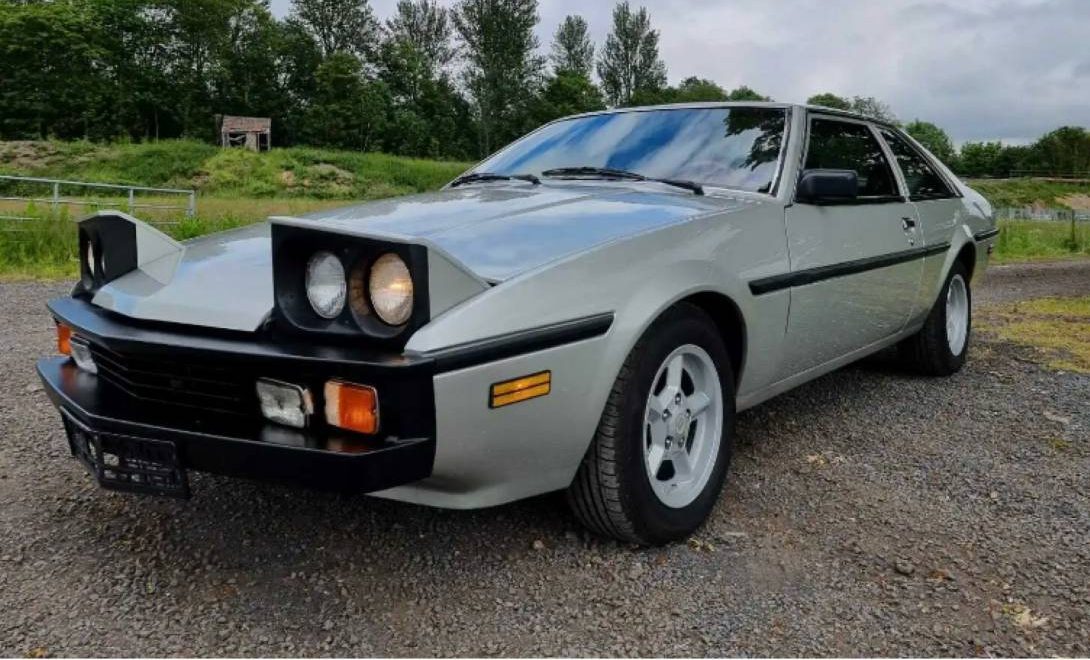
For collectors who love the grand tourer silhouette but not the V12 running costs, the Bitter SC has long been an intriguing footnote in European automotive history. A 1984 example of this rare coupe has now surfaced for sale in New Jersey with an asking price of $45,000, offering a distinctive alternative to the more predictable classics in that bracket.
The Bitter SC was the brainchild of Erich Bitter, a former racing driver who spent years trying to establish his own coachbuilding operation. His cars were never going to be mass-market products, and that was partly the point. The SC carried unmistakable styling cues borrowed from the Ferrari 365 GTC/4 and the later 400i, but it was never a Ferrari underneath. Instead, the car leaned on General Motors’ Opel division for its mechanical foundation.
That foundation was the Opel Senator, and the model name itself tells the story: “SC” stands for Senator Coupe. The engine bay housed a straight-six rather than a V12, a fact that separates the Bitter from the Italian cars it visually echoes. Later versions of the SC benefited from work by Mantzel, a well-known Opel tuning house, which added a new camshaft and pushed displacement to nearly 4.0 liters. For 1984, that package is reported to have produced 207 horsepower and 260 lb-ft of torque, a meaningful step up over the original output.
Inside, the SC was trimmed as a proper luxury GT, and buyers could choose between a five-speed manual or a three-speed automatic that was offered at no extra cost. Bitter’s business story, however, was far messier than the car itself. Unable to build its own bodies, the company depended on outside subcontractors, a precarious arrangement for a small manufacturer with limited capital. Production eventually involved a Turin-based firm called Maggiore, but the operation never reached the volume needed for financial stability.
Bitter later expanded the range with a convertible, a sedan and even a four-wheel-drive variant using a Ferguson Formula gearbox, yet none of those efforts delivered lasting commercial success. That troubled history is precisely what makes the SC a curiosity today, and this 1984 car sits at the intersection of obscure European coachbuilding and approachable American-market pricing. For a buyer who wants something genuinely uncommon at a classic car show, it represents a conversation piece that most attendees will never have seen before.
What do you think?