
The Critical Role of Integrated FPC Cell Contact Systems in Modern EV Battery Production
As electric vehicle batteries strive for higher energy density, achieving that goal without compromising safety or inflating costs remains a central challenge. The key lies in advanced cell monitoring and connection technologies that can keep pace with evolving battery architectures.
Integrated Flexible Printed Circuit (FPC)-based cell contact solutions are emerging as a cornerstone of efficient battery pack manufacturing. These systems streamline the assembly process by combining sensing, voltage and temperature monitoring, and electrical connections into a single, lightweight component. This integration reduces the number of individual parts and connections, which not only simplifies production but also enhances reliability.
By replacing traditional wire harnesses, FPC solutions save valuable space and weight, directly contributing to improved battery density. Moreover, their design flexibility allows for tailored layouts that fit various cell formats, supporting manufacturers in their push toward more compact and energy-dense packs. The result is a manufacturing solution that addresses the dual imperatives of performance enhancement and cost-effective production.
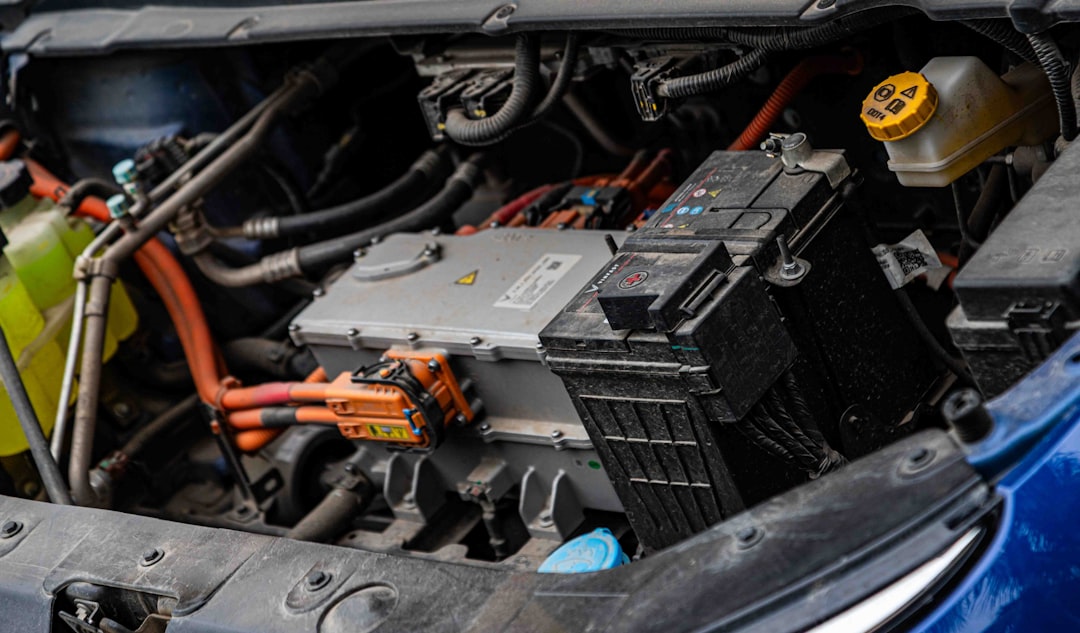
Photo: Bernd 📷 Dittrich (Unsplash License)
Curious how this compares to other EVs? Try our comparison tool →What do you think?