
Testing Bidirectional Onboard Chargers: How Programmable AC Loads Solve V2L Validation Hurdles
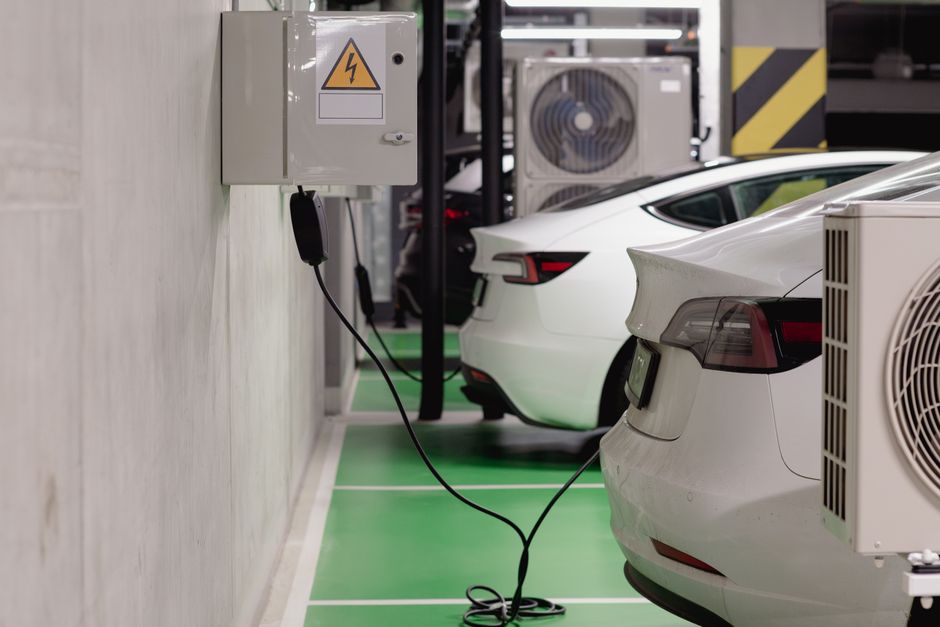
Bidirectional onboard chargers (BOBCs) have become a cornerstone of modern electric vehicle energy management. Unlike conventional chargers, these units not only replenish the battery but also allow energy to flow back out, powering homes, tools, or even feeding the grid through V2G and V2L modes. This capability fundamentally changes how vehicles interact with the energy ecosystem, which makes thorough testing more critical than ever.
Validating V2L performance, however, is no simple task. Engineers must simulate dynamic AC loads that mirror real-world devices, from sensitive electronics to heavy motors, all while ensuring stable voltage, frequency, and power quality. Programmable AC load simulators provide the flexibility needed to replicate these varying conditions in a controlled lab environment, allowing testers to push chargers to their limits without risking actual appliances or grid instability.
A recent whitepaper by Chroma highlights the challenges that come with V2L testing and explains how programmable AC loads can streamline the process. By precisely adjusting load profiles, engineers can evaluate efficiency, transient response, and protection mechanisms in ways that static test setups simply cannot achieve. For automakers and component suppliers, adopting such simulation tools accelerates development cycles and boosts confidence in vehicle-to-load reliability.
What do you think?