
Tesla Slashes Nearly $3,000 Off In-Stock Model Y in Australia as EV Price War Heats Up
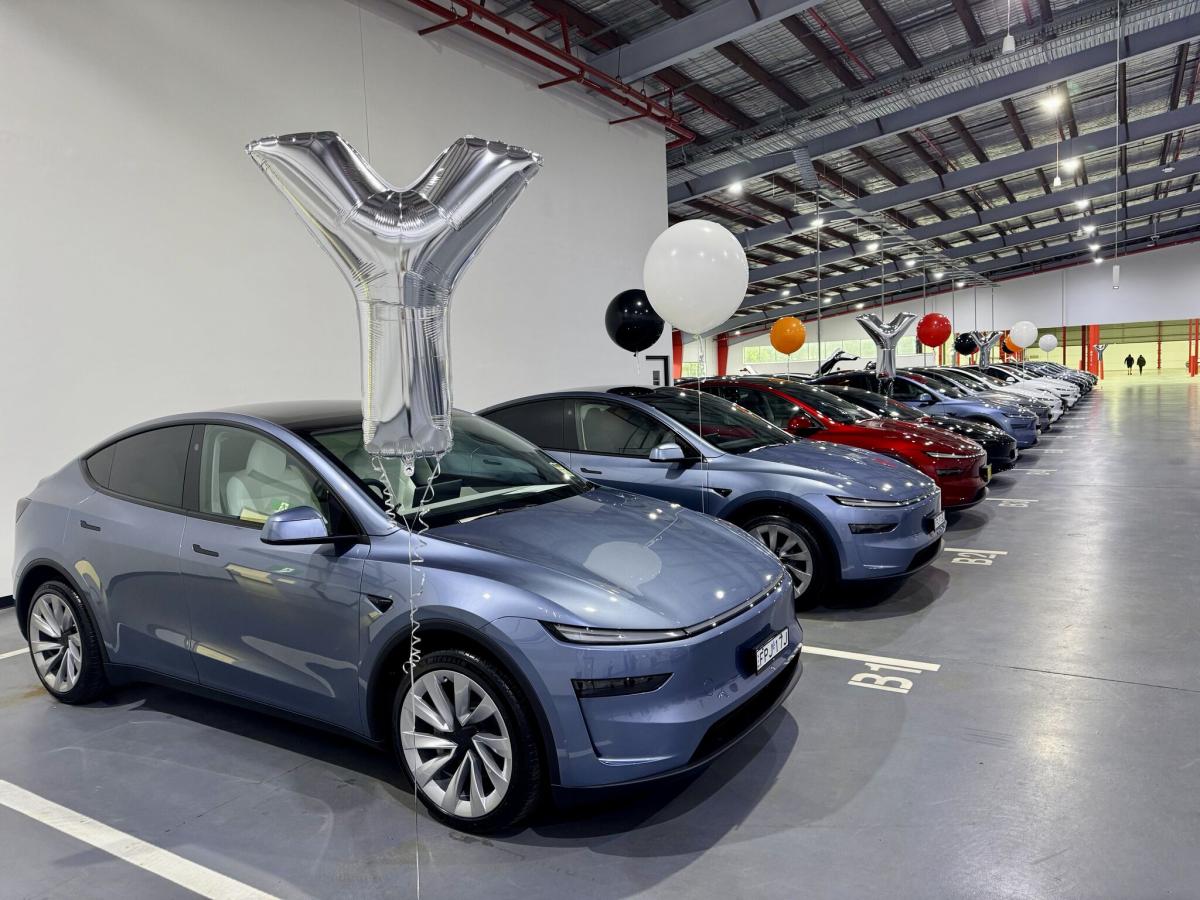
Tesla has rolled out its latest round of discounts in Australia, trimming close to 2,950 reduction in several states, including ACT, NSW, Queensland, Victoria and Tasmania, across a range of available configurations.
Measured against the regular sticker, that works out to roughly a 5% saving for buyers who pick a vehicle already sitting in inventory rather than ordering a custom build. Tesla is layering an extra incentive on top of the discount: a $2,000 trade-in bonus for customers who hand over an older car as part of a new Model Y purchase. That same trade-in sweetener is also being applied to Model 3 orders through the end of 2026.
Beyond the headline discounts, Tesla has revised its warranty terms for Australia. Every new Model 3 bought from the start of 2026 carries a five-year, unlimited-kilometre warranty — an upgrade from the previous four-year/80,000 km coverage. Tesla Australia describes the move as a first for any market where its vehicles are sold. The Model Y lineup still spans four variants locally: Premium RWD, Premium AWD Long Range, an AWD six-seat L, and the AWD Performance. The Model 3 range covers three: Premium RWD, Premium RWD Long Range, and AWD Performance. Before on-road costs, the single-motor Model Y starts at 84,900 for the Performance trim, while the Model 3 spans 80,900.
The discounts come amid a broader scramble for buyers. Tesla has already moved 41,705 EVs in Australia this year, and it recently trimmed the price of the Model Y Performance and introduced a stripped-back Model 3. Rival BYD is countering with $4,000 cashback, Geely is dangling low-interest loans, and other brands are rolling out their own incentives as competition intensifies.
The wider context matters here. Australia’s EV segment has shifted from a supply-constrained market to one where multiple brands fight for the same customers, and price has become the primary battleground. For Tesla, the inventory discount serves a dual purpose: it clears stock sitting on lots while keeping the Model Y within reach of buyers who might otherwise drift to a cheaper rival. Whether the strategy protects Tesla’s market position — or simply trains buyers to wait for the next cut — is the open question heading into the final stretch of 2026.
What do you think?