
Tesla's Robotaxi Curfew Eased as Terafab Chip Bet Deepens Its Camera-Only Strategy
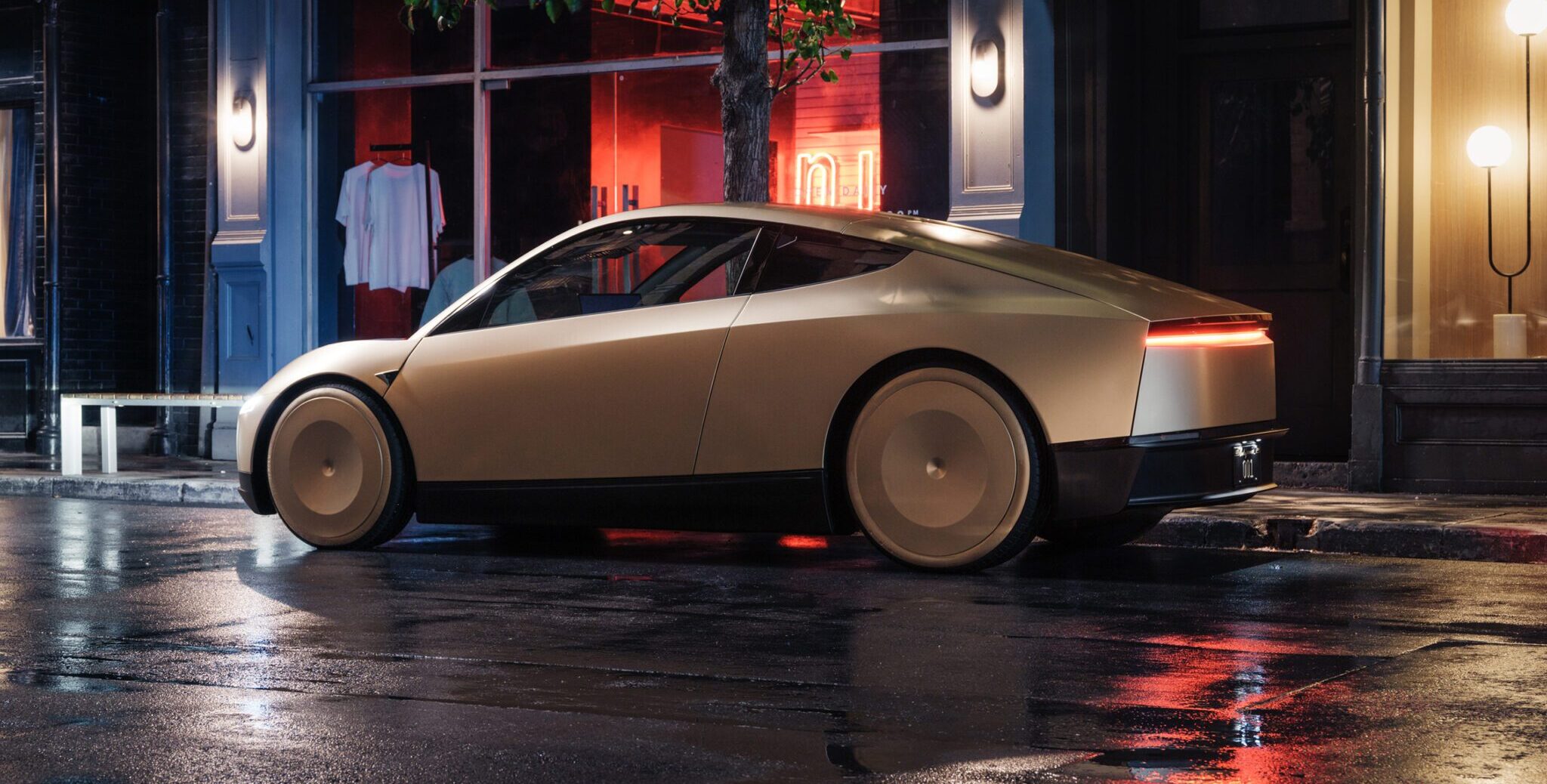
Tesla has relaxed the operating restrictions on its robotaxi program while simultaneously pushing forward with its in-house Terafab chip initiative — two moves that share a single underlying conviction: that sheer computing power can substitute for the LiDAR and radar sensors that most of its rivals consider indispensable. Both bets remain unproven, and they depend on each other. If the compute-first approach pays off, Tesla could open a meaningful lead in autonomous driving. If it falls short, the company risks watching competitors pull ahead.
The strategy stands in contrast to how several major automakers are approaching the same problem. Nissan, for instance, has tapped Valeo as the lead system supplier for its next-generation ProPilot advanced driver-assistance platform, with Wayve’s AI Driver software serving as the decision-making layer. That combination — established tier-one hardware expertise paired with an AI software specialist — reflects a more modular, partnership-driven philosophy than Tesla’s vertically integrated model.
Stellantis has taken a similar path, fitting the same Valeo-Wayve system onto development vehicles from both Fiat and Maserati. Testing across two very different brand identities suggests the automaker wants to evaluate how the technology performs across distinct vehicle segments and price points before committing to broader deployment.
In the commercial vehicle space, Kodiak AI reported that its driverless safety case is now 96% complete — a notable milestone for a company seeking to validate autonomous trucking at scale. The figure underscores how far commercial autonomy has progressed, even as passenger-vehicle robotaxi efforts continue to face regulatory and technical hurdles.
Taken together, these developments illustrate a widening divergence in the autonomous driving industry. Tesla is wagering that an all-in compute strategy will prove simpler and ultimately superior. Its competitors are betting that a layered approach — combining specialized sensors, dedicated hardware suppliers, and focused AI software partners — offers a more reliable route to deployment. Which philosophy prevails will likely shape the next phase of the race toward self-driving vehicles.
What do you think?