
Tesla's Remote Operators Have a Perfect Crash Record in 'Robotaxi' Data
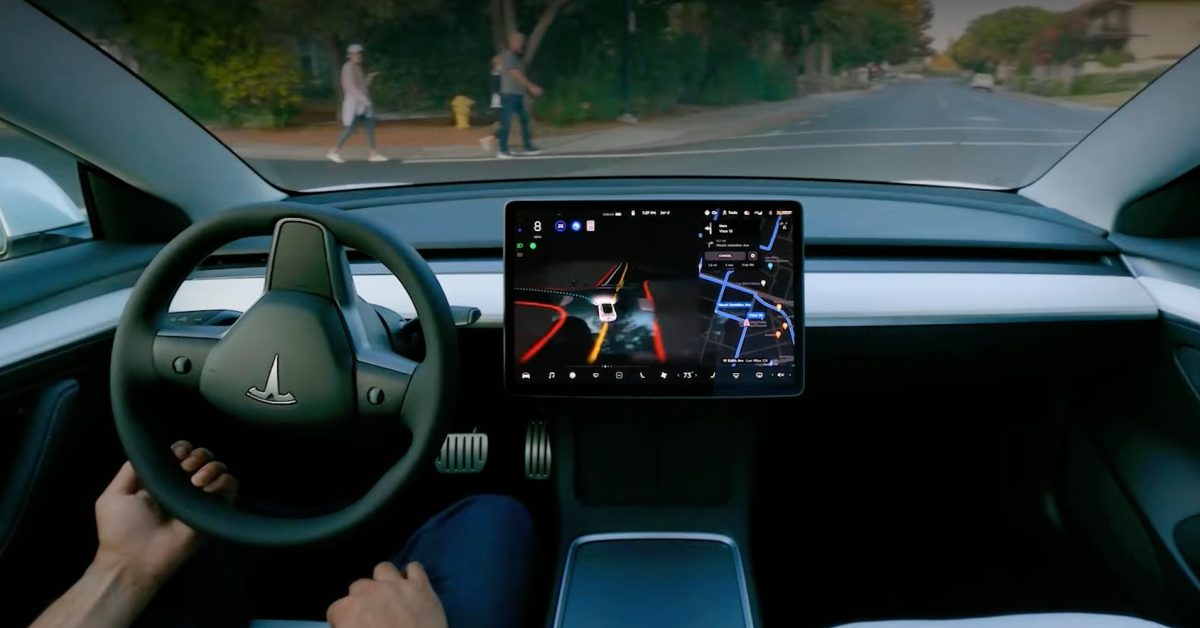
Tesla’s crash filings with federal safety regulators now contain a striking pattern: every time a remote human operator has taken over one of its so-called Robotaxis in a reported incident, the vehicle has hit something. Two newly disclosed collisions in August bring the total to five such remote-driving crashes — a five-for-five record that raises fresh questions about how Tesla handles vehicles that get stuck.
- Two new August incidents: In Dallas, a Model Y sat boxed in between a concrete mixer and a parked SUV on a residential street before a remote operator took control and made contact with the SUV at roughly 0.40 mph. In Austin, a remote operator steering a Model Y through an alley clipped a dumpster at about 1 mph. Neither car carried passengers, and both were property-damage-only.
- Formal coding confirms the pattern: Both filings carry Tesla’s structured Driver/Operator Type label “Remote (Commercial / Test),” the same designation first applied to a May incident in Houston involving a tree stump. Three of the five cases are now formally logged as remote operation.
- Growing incident file: Tesla’s tally of unique Robotaxi incident reports submitted under NHTSA’s Standing General Order has climbed to 36, up from 22 as of July.
- Earlier cases complete the set: A July 2025 Austin event saw a teleoperator accelerate and steer a car over a curb into a metal fence at 8 mph after a safety monitor couldn’t get it to proceed. In January 2026, another Austin teleoperator, assisting with navigation, drove into a construction barricade at 9 mph.
- The common thread: In each case the autonomous system stalled or needed help, a human intervened remotely, and the human caused the impact.
Why It Matters
The severity is not the headline here — these are walking-speed bumps involving bumpers, a dumpster and a tree stump, and no one has been injured. What the data exposes is how frequently these vehicles still require a person to rescue them, and how poorly those rescues tend to go. Tesla does not publish how often remote operators intervene, so no failure rate can be calculated; the only visibility comes from crashes that surface in regulatory filings.
Tesla’s approach also stands in contrast to its main robotaxi rival. Waymo told Senator Ed Markey in a February 2026 letter that it does not use remote driving in which a human performs the dynamic driving task — its remote staff offer guidance the onboard system may accept or reject. Waymo does maintain one narrow tool allowing a trained agent to nudge a stuck vehicle forward at 2 mph with fixed steering angles, but says it has never been used outside of training. Tesla’s remote operators, by contrast, appear to steer freely over network links — an arrangement that introduces latency, a limited camera view and no physical feel for the car. As robotaxi ambitions expand, that gap between supervised guidance and true remote driving may become one of the industry’s more consequential safety debates.
Source: Electrek
What do you think?