
Tesla's Long-Delayed Roadster Finally Arrives — And Its Timing Could Hardly Be Worse
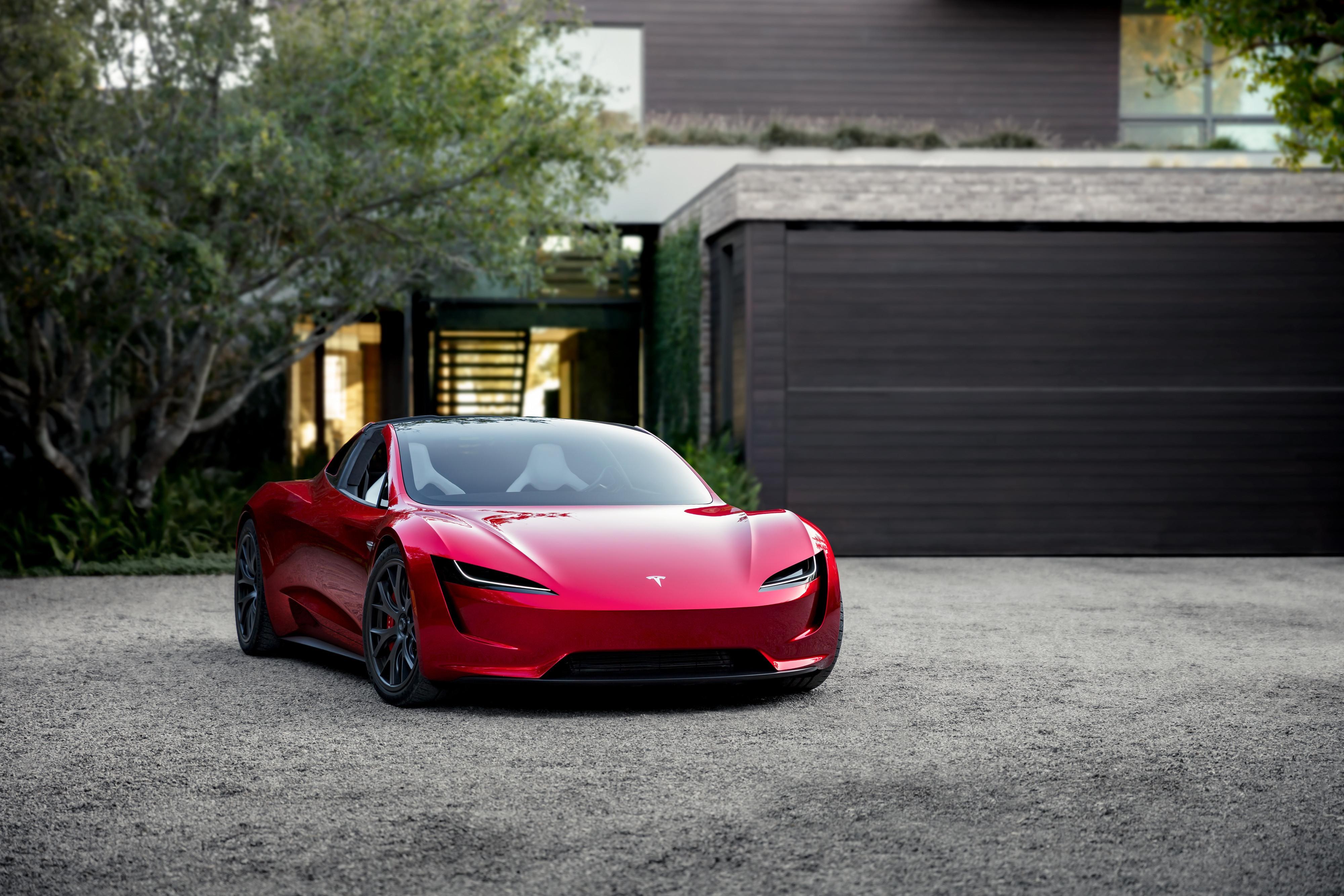
After close to a decade of waiting, Tesla has finally pulled the wraps off a production-ready version of its next-generation Roadster, unveiling the car at an event in Waco, Texas. For a machine billed as one of the quickest ever built, the journey from promise to showroom has been anything but fast.
The reveal lands in a notably chilly climate for electric vehicles. High energy costs, political turbulence and cautious consumers have cooled the enthusiasm that followed the pandemic-era boom. In the US, automakers are trimming their EV roadmaps as demand softens, and even Tesla — the segment’s dominant player — is contending with weaker appetite and scaled-back expectations.
What sets the Roadster apart from an ordinary EV is its sheer mythology. Elon Musk has claimed the car will sprint from 0 to 60mph in under two seconds, exceed 250mph at the top end, and offer an optional thruster package borrowed from SpaceX technology that could let it briefly lift off the ground. Those numbers are extraordinary on paper; whether they translate into a compelling product is another question. Over the years, the Roadster became less a car than a symbol of delay. Reservation holders — among them OpenAI’s Sam Altman and YouTuber Marques Brownlee — eventually walked away, betting the vehicle would never materialize.
Musk has a track record of occasionally making good on his more outlandish claims, even if in reduced form. Tesla’s steering-wheel-free Cybercabs now operate on Austin streets, and the Cybertruck, whatever its reception, does exist. Still, the Roadster’s reason for being is harder to pin down. Musk has steered Tesla toward robotics and autonomy, describing the Roadster as the company’s final car designed for human drivers. Production of the Model S and X has already ended to free capacity for Optimus robots, and Musk has openly floated a merger with SpaceX to speed up AI development.
There’s also the awkward fact that Tesla has already hit some of the Roadster’s headline targets. The Model S Plaid, launched in 2021, posted a claimed 0–60mph time of 1.99 seconds that independent testing later backed up. Meanwhile, Tesla has spent the year re-showcasing vehicles it first debuted years ago — the Cybercab, the Semi, and now the Roadster, originally teased in 2017. The Cybertruck remains the only new consumer vehicle Tesla has delivered in half a decade.
Once it reaches customers, the Roadster will enter a niche that has proven unforgiving. Early hyper-EVs like the Rimac Nevera, Pininfarina Battista and Lotus Evija delivered remarkable engineering but struggled with sluggish sales, delays and tepid demand. Affluent buyers of seven-figure exotics still gravitate toward combustion engines, drawn by brand heritage, engine sound and mechanical character rather than acceleration figures. Rimac’s CEO Mate Rimac has compared electric hypercars to high-tech smartwatches — technically brilliant, but short on the emotional pull of a handcrafted timepiece. Ferrari’s first EV went the four-door route and drew widespread criticism, Porsche repeatedly pushed back electric replacements for the 718 twins, and Lamborghini shelved its pure EV plans in favor of hybrids. Against that backdrop, the Roadster’s arrival feels less like a triumph than a curiosity.
What do you think?