
Tesla Patent Aims to Fix a Key Weak Spot in Full Self-Driving and Optimus
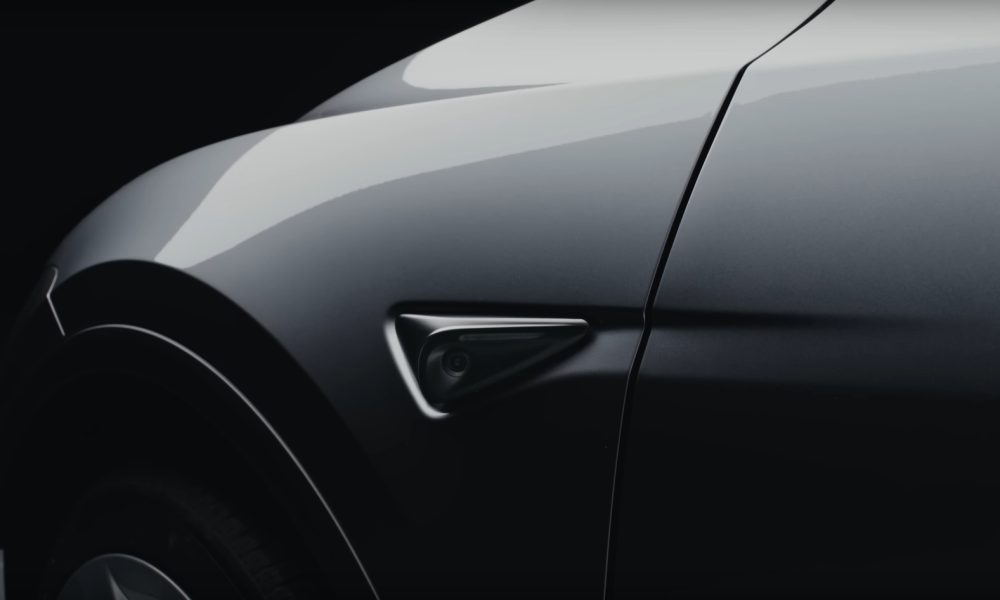
Tesla has filed a patent that points to a concrete engineering fix for one of the most persistent problems facing both its Full Self-Driving software and its humanoid Optimus robot: how these systems perceive and act on the world when their cameras and sensors are limited by a single viewpoint. Rather than relying on one stream of visual data, the patent describes a method where multiple viewpoints, from different cameras or sensors, are fused together so the system can build a more complete and reliable picture of its surroundings. In plain terms, it is a way of letting the vehicle or robot see around corners and resolve ambiguity by cross-checking what one sensor sees against what another reports.
The problem it addresses is well known to anyone following autonomous driving. A single camera can be fooled by glare, occlusion, or unusual angles, and a robot operating in a cluttered environment faces the same limitations. By combining perspectives, the system can reduce the chance of a single flawed reading leading to a wrong decision. This matters for FSD, where the car must judge distances and predict the behavior of other road users in real time, and equally for Optimus, which must navigate warehouses, factories, and eventually homes without a human operator.
Tesla has not framed the patent as a finished product feature, and the filing itself does not guarantee that the technology will appear in a future software update. Patents are often filed years before any consumer-facing implementation, and Tesla has a long history of protecting ideas that later surface in incremental over-the-air releases. What the document does show is the direction of travel: more sensor fusion, more redundancy, and more reliance on software to compensate for hardware limits.
For Tesla owners, the practical takeaway is that the company continues to invest in the perception layer that underpins FSD, even as public attention often focuses on the driver-facing interface and the pace of rollout. For the broader robotics field, the same approach could become a template for machines that need to operate safely alongside people. Whether this specific patent becomes part of a shipping feature remains to be seen, but it offers a rare look at how Tesla is thinking about the gap between what its cameras can see and what its systems need to know.
What do you think?