
Huawei Patent Filings Point to Sharper Sensor Fusion for Self-Driving Cars
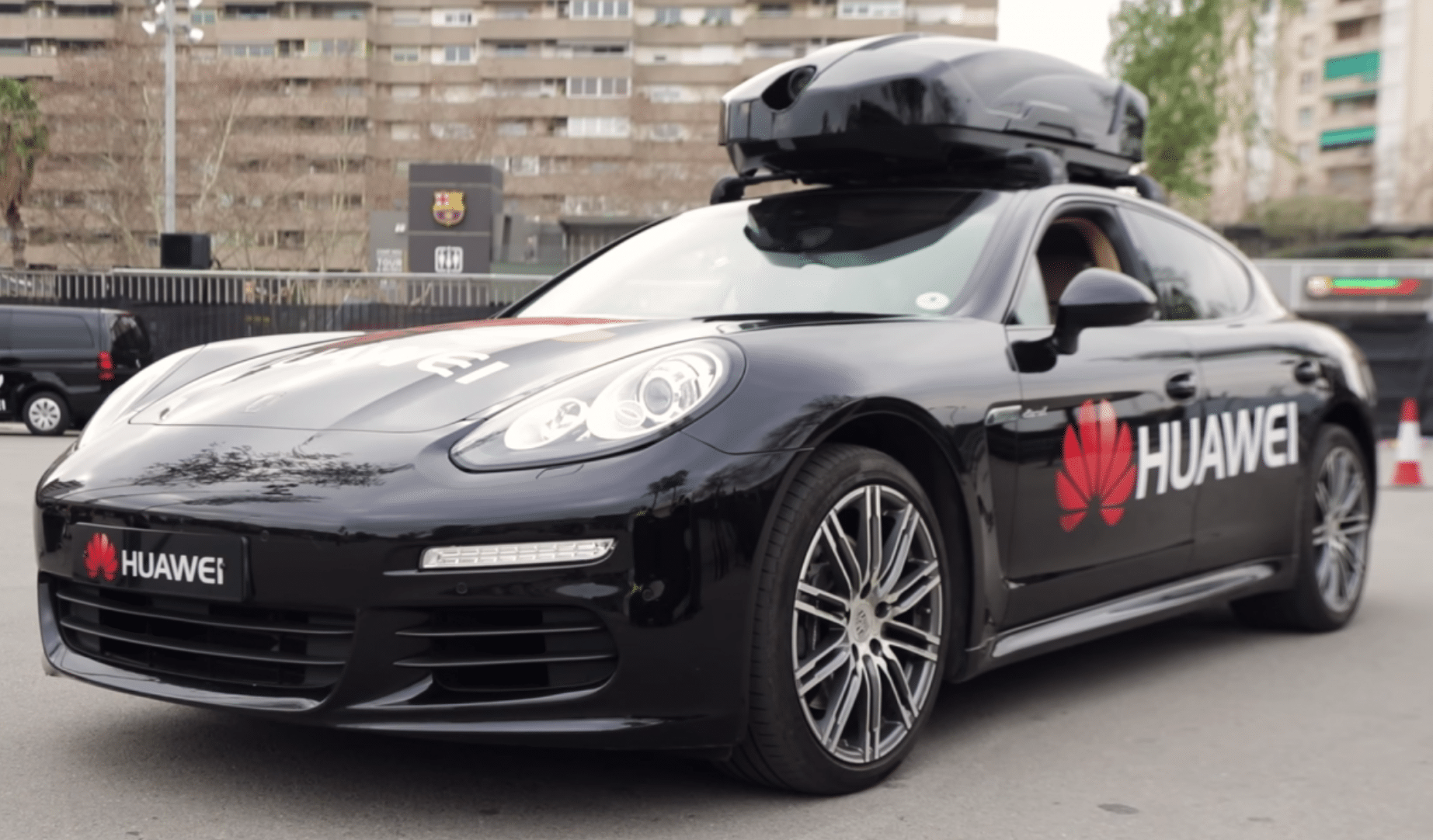
Huawei has added another piece to its autonomous driving puzzle, filing a patent for a new type of sensor intended to help self-driving vehicles read their surroundings more reliably. The patent focuses on how a vehicle can combine input from different kinds of sensors rather than relying on a single device, an approach that is central to making automated driving safer in everyday traffic.
In practical terms, the idea addresses a long-standing problem for autonomous systems: no single sensor is perfect. Cameras can struggle in glare, rain or darkness, while radar and lidar have their own blind spots and limitations. By comparing and merging signals from multiple sensors, a car’s computer can build a more accurate picture of what is happening around it and reduce the chance that one misleading reading leads to a wrong decision, such as braking for a shadow or missing a pedestrian.
The filing is the latest sign that Huawei sees intelligent driving as a core part of its automotive business. The company does not build cars under its own brand at scale, but it supplies the software, computing platforms and sensor suites that go into models from several Chinese automakers. That role makes sensor and perception technology a strategic area for Huawei, since improvements here can be offered across multiple partner vehicles without waiting for a single model program.
Sensor fusion has become one of the most competitive battlegrounds in automated driving. Automakers and tech suppliers are trying to reach higher levels of driver assistance at lower cost, often by trimming expensive hardware and compensating with smarter software. A patent that helps make multiple sensors work together more effectively fits that trend, allowing a vehicle to get more out of the hardware it already carries.
Patents do not guarantee that a technology will reach production, and Huawei has not said when or where this sensor concept might appear. Even so, the filing underlines how the company is positioning itself as a supplier of the perception layer that underpins self-driving features, rather than just a maker of the chips and screens inside a car. As automated driving moves from test fleets toward showroom models, that underlying sensor work may prove more influential than any single vehicle launch.
What do you think?