
Tesla Loses Another Cybercab Launch Executive as Rivian Snaps Up Key Assembly Chief
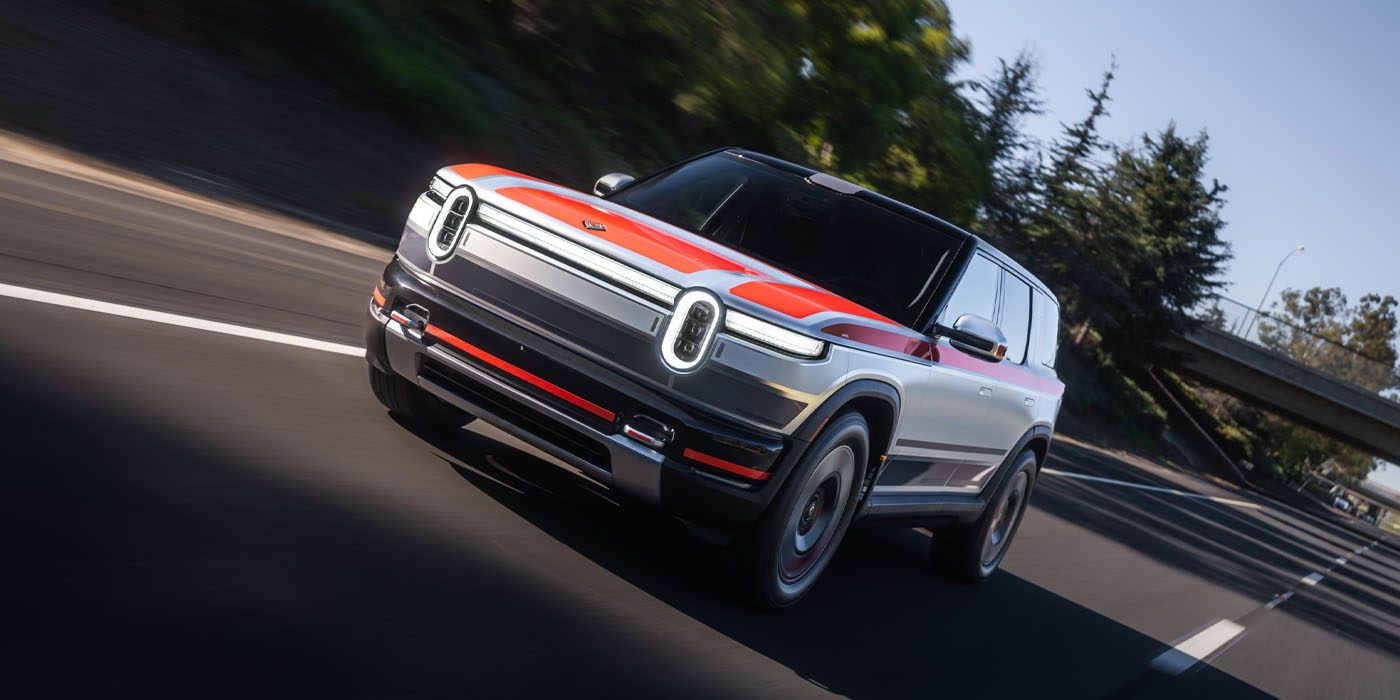
Tesla’s push to industrialize the Cybercab has hit another staffing setback. Jody Kerns, who oversaw final assembly of the steering-wheel-less robotaxi at Gigafactory Texas, is leaving the automaker to take the equivalent role at Rivian — directing general assembly for the R2 at the company’s Normal, Illinois plant. It marks the second senior departure from the Cybercab launch program this year, and it comes only weeks after commercial robotaxi rides began in Austin.
Kerns confirmed the move publicly this week, framing his new mission around making the R2 “the best electric SUV in the market.” His résumé suggests Rivian is hiring precisely the profile it needs: someone who has both slotted a fresh EV into an already-busy line and taken an all-new vehicle from zero to production.
- Who is leaving: Kerns joined Tesla in January 2024 as an end-of-line manager and took charge of Cybercab general assembly at Giga Texas in February 2026 — the same month the first wheel-less Cybercab rolled off the line. He managed the ramp all the way to commercial service.
- Where he’s going: At Rivian he takes the Director of General Assembly role for the R2, the mid-size electric SUV that underpins the company’s next phase of growth.
- A manufacturing-heavy background: Before Tesla, Kerns spent 14 years at Volkswagen of America, finishing as Director of Assembly from 2021 to 2024, where he oversaw roughly 1,200 people and integrated the ID.4 into a Chattanooga line already building two other models. Earlier still, he worked four years in Toyota paint shops.
- The second exit this year: Michael So, Tesla’s Head of Cybercab new product introduction from September 2024 to April 2026, departed in May to become VP of Product Engineering at Austin-based nuclear startup Aalo Atomics. So had been Giga Texas employee #1 in 2021 and helped launch the Model Y and Cybertruck.
- Rivian’s ramp in numbers: R2 deliveries began June 9 from Normal. Rivian built 19,751 vehicles in Q3 while holding its 2026 delivery guidance at 65,000 to 70,000, and has raised $1.5 billion partly to de-risk that ramp.
Why It Matters
The timing is awkward for Tesla. Commercial Cybercab rides kicked off in Austin on September 3, and a week later NHTSA issued a Special Order demanding sworn proof that a vehicle without a steering wheel or brake pedal satisfies federal safety standards. The agency now pegs the combined 2026 robotaxi fleet — Model Y and Cybercab — at roughly 1,000 vehicles. Losing the person who ran final assembly during that critical launch window raises questions about continuity just as regulators scrutinize the program.
For Rivian, the hire reads as a targeted bet on execution. The R2 is the vehicle that decides whether the company can move from niche builder to volume manufacturer, and Kerns’ experience integrating a new EV into a live factory — the exact challenge Rivian faces in Normal — is hard to source. With two Cybercab launch leaders now gone from Tesla in a single year, the contrasting priorities of the two companies are becoming difficult to ignore.
Source: Electrek
What do you think?