
Tesla Lands 50-Unit Semi Order From IMC Logistics
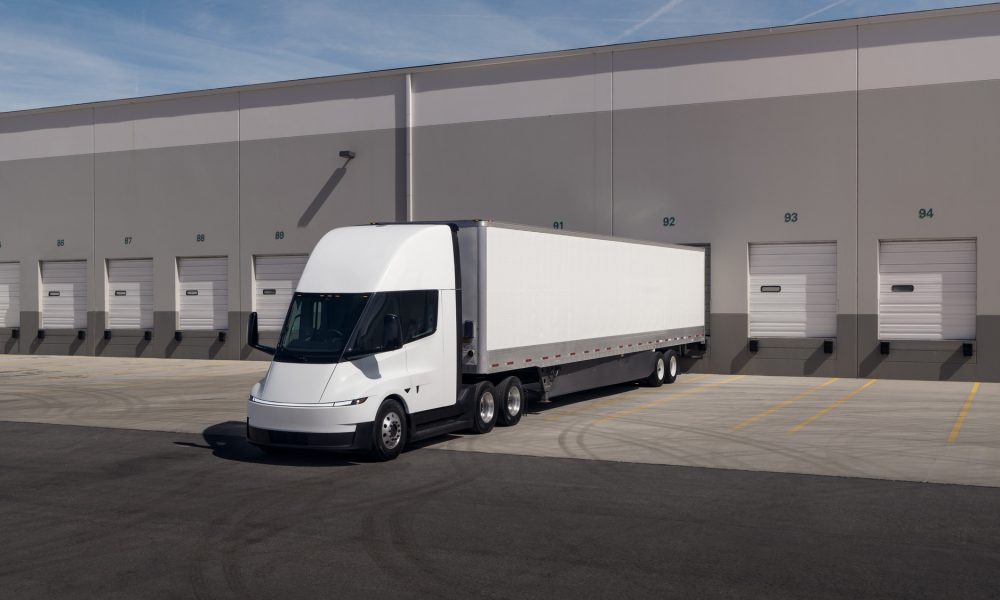
Tesla has locked in another fleet commitment for its Class 8 electric truck, with IMC Logistics agreeing to take 50 Semi units into its drayage and landside logistics operation. IMC runs a fleet of more than 2,700 asset trucks and has built out over 50 locations across the United States during more than four decades in business, giving the order a reach that stretches from coast to coast.
Company representative Jim Gillis framed the purchase as a step toward what he described as zero-emission service on long-haul lanes. That language fits a broader pattern in freight: large logistics operators have spent the past several years testing and adopting alternative powertrains, with Tesla among the suppliers competing for those contracts.
The timing follows a milestone for Tesla’s truck program. After years of a pilot arrangement involving PepsiCo and Frito-Lay, the company began handing over its first production Semi units to customers in September, marking the program’s first genuinely public phase. IMC signaled its intent to buy the 50 trucks the same month, and a company marketing and public relations vice president told Trucking Drive on September 29 that delivery was expected within days. Tesla also staged a dedicated handover event at its Semi factory in Sparks, Nevada, where several fleets that had been waiting on the vehicle got their first look at the trucks they had ordered.
Tesla has taken an unusual approach to building the Semi, leaning on a highly automated production setup that minimizes manual touchpoints. For fleet operators, the pitch rests on operating economics as much as emissions: diesel prices and overall logistics costs have climbed, and electric drivetrains promise lower cost per mile through cheaper refueling. Longer term, Tesla positions its Full Self-Driving software as a way to reduce driver fatigue and lift productivity — a consideration that matters in a segment where labor and uptime drive margins.
The order is a useful signal for Tesla’s heavy-truck ambitions, which have progressed far more slowly than the passenger-car business. Whether the 50 units translate into repeat business will depend on how the trucks perform in daily drayage and long-haul duty cycles, where charging access and turnaround time remain the practical questions fleet managers weigh against fuel savings.
What do you think?