
Tesla FSD V14: Three Months In, These Gaps Remain
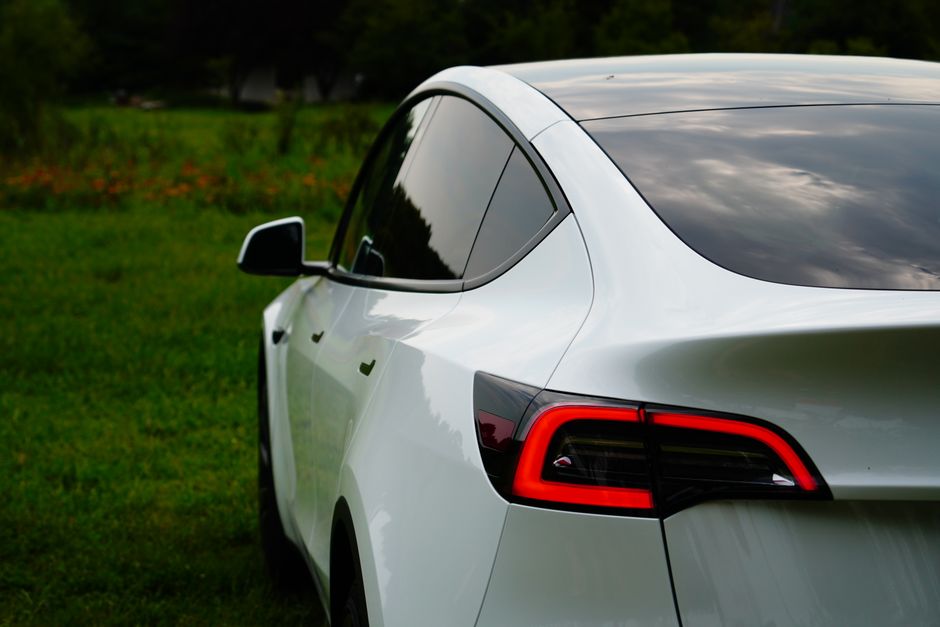
After three months behind the wheel of a base 2026 Model Y equipped with Tesla’s Full Self-Driving V14, I’ve had plenty of time to separate the impressive from the imperfect. My previous stint with FSD spanned over six years on a 2019 Model 3, so I’m not new to its evolution. Yet, V14 still leaves me wanting in a few critical areas, which I’ll detail here.
First, the system’s handling of complex, multi-lane urban interchanges remains inconsistent. It often hesitates at merge points or picks a lane that, while legal, isn’t the most efficient for the upcoming turn. Second, unprotected left turns in heavy traffic still trigger overly cautious behavior, sometimes coming to a near-stop when a human would safely edge forward. This can frustrate drivers behind me, even if it’s technically safe.
Third, V14 has shown occasional lapses in interpreting temporary signage, like construction zone detours or temporary stop signs. In one instance, it failed to recognize a manual stop sign placed at a roadwork site, relying instead on lane markings. While these are moments, they underscore that FSD still isn’t the ‘hands-off, mind-off’ system some hope for.
That said, V14 remains a solid driver-assist tool. The improvements in smoothness and highway autonomy are real, and I feel comfortable using it on my daily commute. Yet, the gaps—merging, tricky left turns, and variable signage—remind me that a truly capable self-driving system must master these everyday challenges, not just highway cruising.
What do you think?