
Tesla Enhances Headlight Performance via Latest OTA Software Update
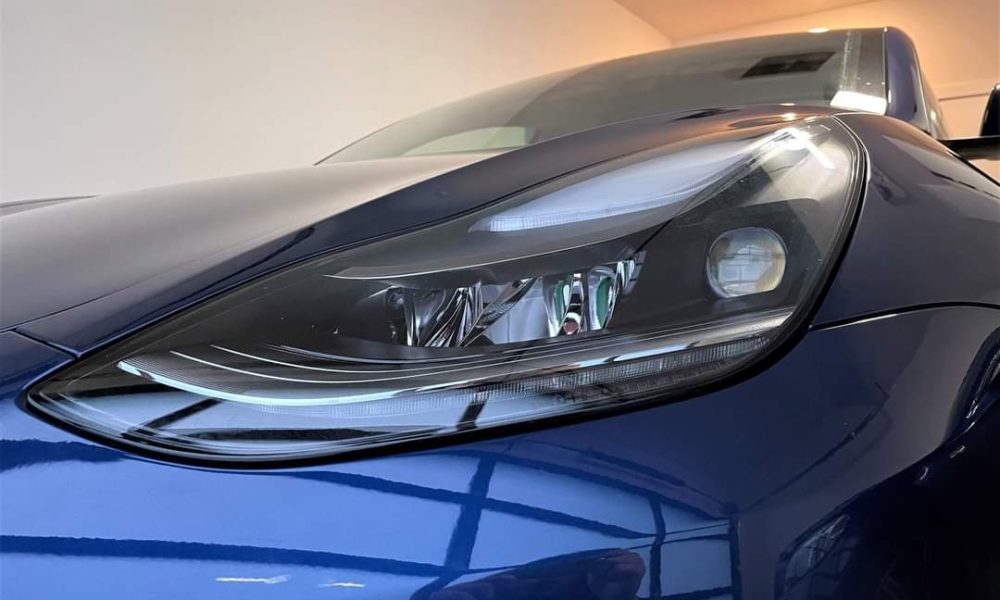
Tesla has rolled out a new over-the-air software update that improves headlight functionality without requiring any hardware changes. The update, identified as version 2026.38, introduces a feature called Dynamic Headlight Leveling, which automatically adjusts the aim of low beams to optimize road illumination while minimizing glare for other drivers.
This system works differently from Tesla’s existing matrix high-beam technology. While matrix high beams selectively deactivate individual LED segments to create shadows around vehicles, Dynamic Headlight Leveling physically tilts the low-beam projectors using internal motors. These motors respond to changes in vehicle pitch—such as during hard acceleration, when climbing steep grades, or when carrying heavy loads in the rear—which can otherwise cause the headlights to point too high. The software counters these movements in real time, keeping the beam focused on the road surface rather than shining into the eyes of oncoming traffic.
Early reports indicate that the update is being delivered to a limited set of vehicles, including certain Model 3 and Cybertruck units in the United States and the United Arab Emirates. The rollout does not appear to be tied to a specific hardware revision, and Tesla has not provided a broader release timeline. Owners will simply need to wait for the update to reach their cars.
The introduction of Dynamic Headlight Leveling comes amid ongoing concerns about headlight glare. Some earlier Model 3 and Model Y vehicles were subject to an NHTSA recall due to excessive low-beam glare, and this software adjustment could serve as a mitigation for vehicles equipped with the necessary leveling hardware. It does not replace adaptive high beams where available, nor does it change the basic low-beam pattern; instead, it ensures the existing beam remains aimed where it is most useful.
For drivers who receive the update, no new settings or manual adjustments are required. The headlights automatically adapt to changing road conditions and traffic. As the feature expands to more vehicles, it represents another example of Tesla using over-the-air software to refine existing hardware rather than waiting for a new model year. The practical benefits—improved nighttime visibility and reduced glare for others—are what owners are likely to notice first.
What do you think?