
Tesla Deliveries Slip 2% In Q3, Yet Most Rivals Fell Much Harder
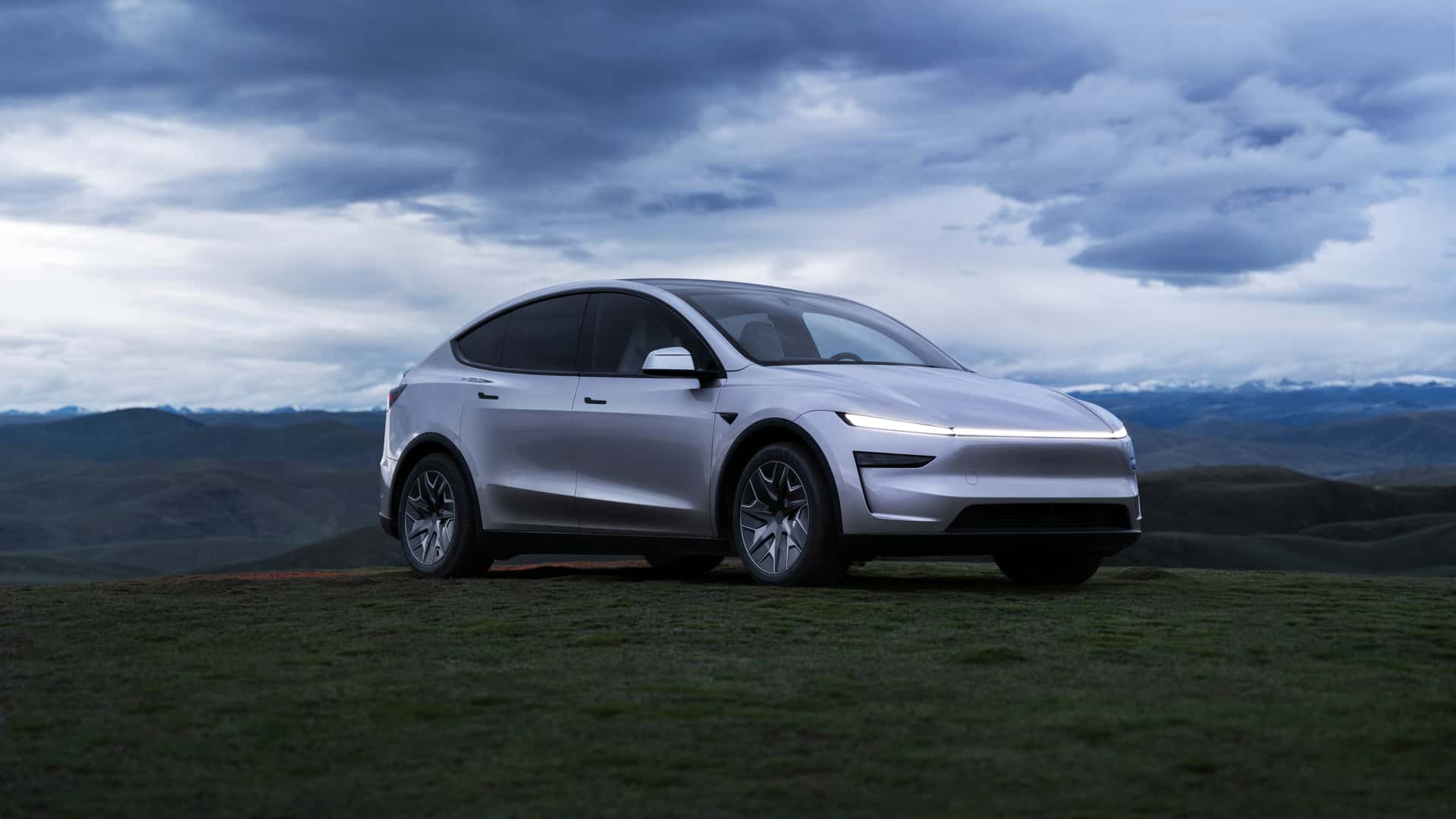
Tesla closed the third quarter with 486,532 global deliveries, down 2.1% from the 497,099 vehicles it handed over a year earlier. Set against the turbulence that has rocked the electric vehicle business over the past twelve months, that modest dip reads less like a warning sign and more like a demonstration of staying power.
Most of Tesla’s rivals endured far steeper declines in the U.S., where several automakers reported double-digit percentage drops in EV volume. The expiration of the federal tax credit and the rolling back of policies designed to accelerate electric adoption removed two significant tailwinds at once. Conditions overseas have not been kinder: China’s domestic brands remain locked in a punishing price war, while in Europe a wave of Chinese imports has eaten into demand for established foreign marques. European, Japanese and American manufacturers are all feeling the squeeze.
What makes Tesla’s comparatively small decline notable is the age of the hardware doing the work. The Model 3 and Model Y, which together make up the overwhelming majority of the company’s volume, ride on a platform that debuted in 2017. Tesla does not publish per-model figures, but the Model S and Model X have effectively exited the stage and the Cybertruck remains a low-volume proposition concentrated in the U.S. The newer three-row Model Y L, along with recent updates to the Model 3 and Model Y, likely softened the blow. That a nine-year-old architecture can still hold its ground while dozens of fresher competitors arrive is a remarkable run.
In the American market, Tesla’s dominance is difficult to overstate. The Model 3 and Model Y combined account for roughly half of all U.S. EV sales, and the Model Y continues to rank as the world’s best-selling electric vehicle, having briefly threatened to become the top-selling vehicle of any kind worldwide.
Still, there is a caveat in the numbers. Tesla’s third-quarter deliveries are essentially unchanged from where they stood in 2023. Competitors have lost ground; Tesla has mostly stood still while the broader EV market expanded substantially. That flatness reflects a strategic choice as much as a market reality. CEO Elon Musk has framed Tesla primarily as an artificial intelligence company, with the biggest bets placed on turning Full Self-Driving (Supervised) into a genuinely autonomous product and on developing the Optimus humanoid robot. Wall Street rewards that kind of ambition, while iterative car improvements draw far less excitement from either Musk or investors.
Skeptics warn that this AI-first posture leaves the automotive arm exposed to a growing field of challengers. So far the lead has held. Whether it continues to hold may depend on what comes next: Semi production is ramping up, the Cybercab is on the road, a genuine self-driving pilot is underway in Texas, and a Roadster event is on the calendar.
What do you think?