
Tesla Confirms Driver-Assist Was Active in Fatal New Jersey Median Crash
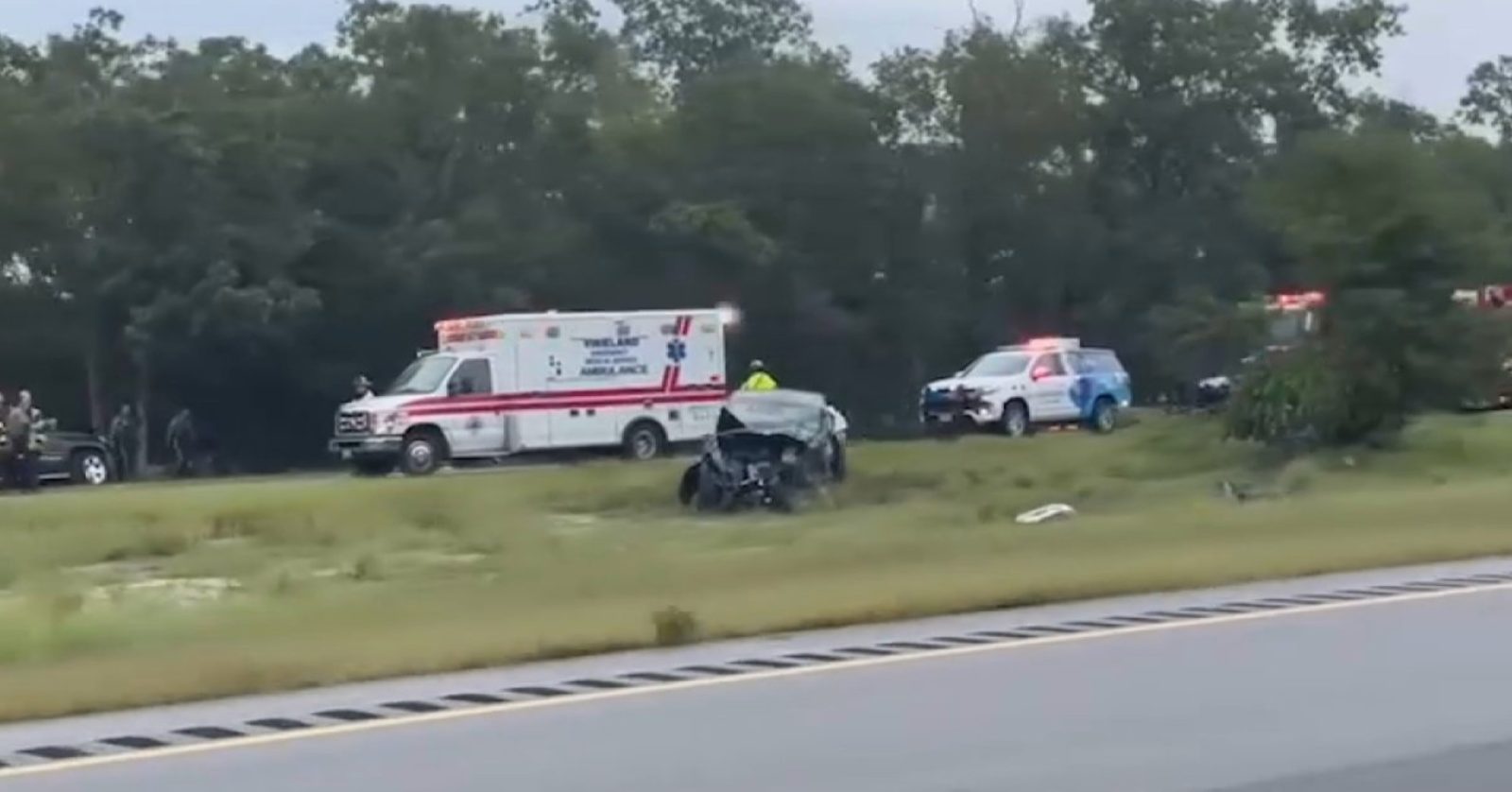
A collision on a New Jersey highway that killed a Pennsylvania school board member is now the subject of a federal filing showing that a Tesla’s driver-assistance software was switched on at the time of impact. The disclosure, buried in Tesla’s submission to US regulators, contradicts the early public narrative of a routine loss-of-control wreck.
The crash unfolded on the morning of Saturday, August 22, 2026, along Route 55 near Vineland. According to New Jersey State Police, a southbound Tesla veered off the left shoulder around milepost 34.6, tore across the grassy middle strip, clipped a tree, and shot into the opposing lanes, where it slammed head-on into a northbound Chevrolet SUV. The SUV’s driver, 68-year-old Phillip Eastman of Springfield, Pennsylvania, died at the scene. The Tesla’s occupant and a person riding in the Chevrolet were hospitalized with injuries described as moderate.
Eastman had only recently been sworn in to the Springfield School District board and had coached youth and high school ice hockey for close to thirty years, including a long stint leading Springfield High’s varsity squad. His death drew extensive coverage around Philadelphia — yet none of it mentioned Autopilot, Full Self-Driving, or any assist technology.
- Federal filing confirms engagement: Tesla reported the vehicle as a 2021 Model Y and marked its automation “Engagement Status” as “Verified Engaged,” meaning company telematics confirmed a Level 2 system was active within the 30-second window preceding impact.
- Key details withheld: Tesla blacked out the crash narrative, the software version, and whether the road fell inside the system’s approved operating domain, labeling the material “confidential business information.”
- Reporting obligation: Under a NHTSA Standing General Order, automakers must disclose crashes involving Level 2 driver assist that result in a fatality; Tesla says it learned of this one through media reports.
- Ambiguous speed data: The report logs a pre-crash speed of just 37 mph — unusually low for a freeway — which more likely reflects a single telematics snapshot than the car’s actual speed when it left the roadway.
- Limited onboard evidence: On this filing Tesla confirms only that it possesses the vehicle’s telematics, not the event-data recorder or any video, suggesting less evidence may exist here than in comparable cases.
Why It Matters
The central question — whether the software was steering when the car crossed the median — remains unanswered. Being engaged within the reporting window is a disclosure trigger, not proof of causation; the driver could have been overriding the system, and because the software version is sealed, it is impossible to say whether basic Autopilot or FSD was running. What is not in dispute is that an assist feature was active in a vehicle that left its lane, crossed a divided highway, and killed a man in oncoming traffic.
The episode sharpens a broader tension. Tesla markets its software as “Full Self-Driving,” its leadership keeps signaling that unsupervised autonomy is near, and the branding invites owners to place outsized trust in the car — even though the product remains Level 2, with the human legally responsible at all times. At precisely the moment the company urges that trust, it is shielding the records that would reveal how the system behaves when something goes wrong. Tesla is already under scrutiny from federal regulators over how it reports these incidents, and the gap between the sealed file and the public story is likely to keep the pressure on.
Source: Electrek
What do you think?