
Tesla and SpaceX Move Toward a Merger That Could Dilute Every Shareholder
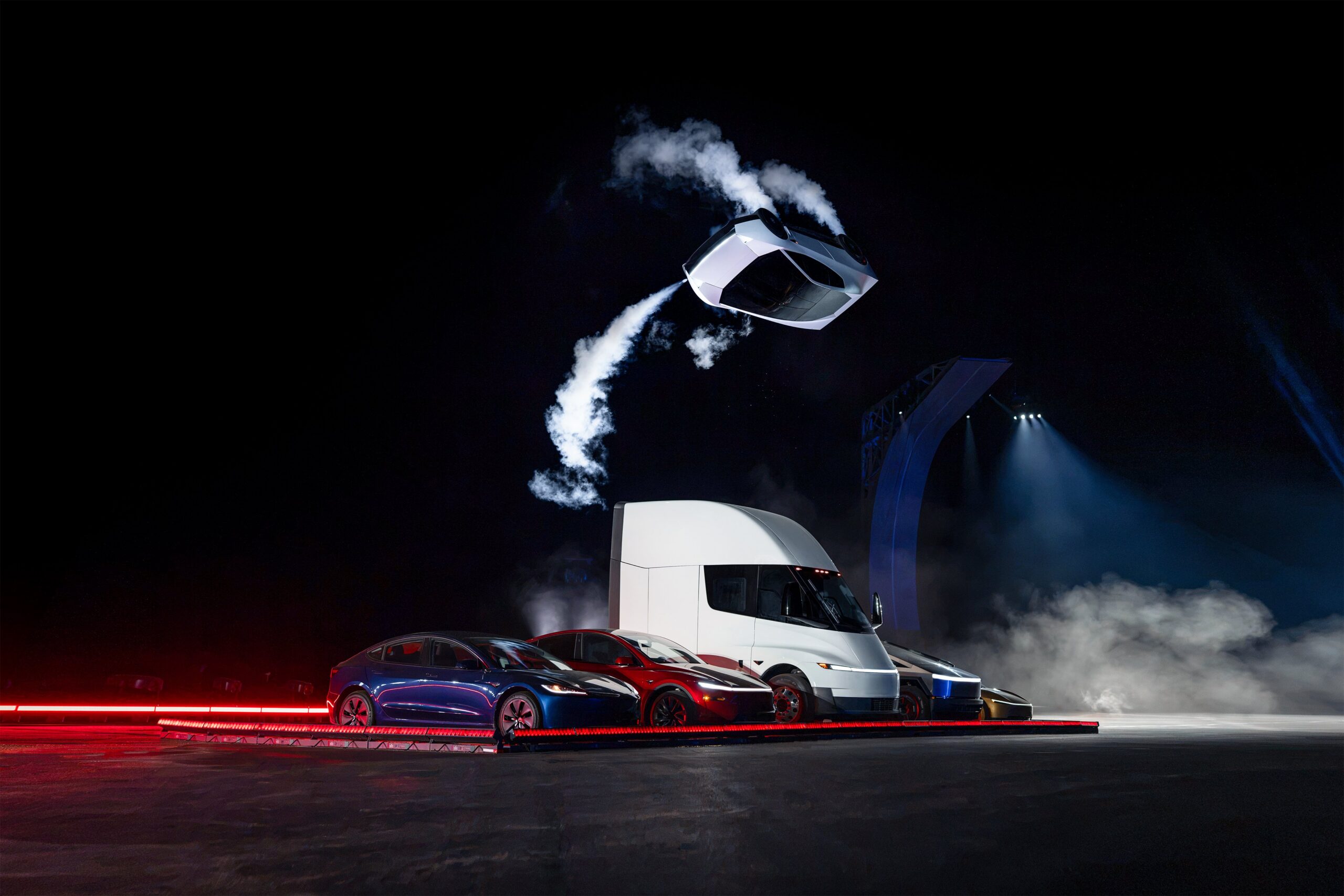
Tesla and SpaceX have each set up a special committee of board members to look into combining the two companies. Elon Musk, who runs both, confirmed the move during SpaceX’s quarterly earnings call — only the second the rocket company has held since it went public.
The idea of a merger has floated around for years. What’s new is that it has now moved from speculation into a formal review. For anyone holding Tesla stock — directly or through an index fund — that’s worth paying attention to.
Why Musk Wants It
The core issue, from Musk’s side, is control. His stake in Tesla sits at roughly 22%, and that isn’t enough for him to push through whatever he likes without building consensus. He has made little secret of wanting a firmer grip on the company he leads.
There’s a wrinkle in the pay packages that makes a merger especially useful to him. Both Tesla’s and SpaceX’s proposed awards tie huge share grants to ambitious operational targets — a million robots, a million robotaxis, a Mars colony. But those milestones may become irrelevant: if the two companies combine, the shares are reportedly delivered automatically, whether or not a single robot or colonist ever materializes.
That is the part shareholders should read twice. The headline targets grab attention, but the merger clause is what does the actual work.
The bottom line: A merger would hand Musk his stock regardless of operational milestones — and dilute everyone else’s slice of the pie.
The Voting Math
SpaceX looks like the easy half. Musk holds more than 50% of its voting shares, so the company’s approval is effectively his to give.
Tesla is trickier. A vote needs backing from 50% of all outstanding shares, not just half of those who show up. Tesla has a large retail shareholder base, and retail investors tend to vote in low numbers. To address that, the company has prepared an “auto-vote” option letting holders pre-set their shares to follow board recommendations — with no equivalent option to auto-vote against the board.
So the groundwork is laid. What remains is whether enough shareholders sign off.
A Pattern Worth Remembering
This isn’t the first time Musk has steered shareholders toward a deal. In 2016, Tesla bought SolarCity — a solar firm founded by his cousins — after a flashy demo of solar roof tiles that never reached the market in meaningful volume. The acquisition also pulled billions in SolarCity debt onto Tesla’s books.
The boards involved have described their committee members as independent. Given how Tesla’s board has handled Musk’s compensation proposals in the past, plenty of observers will treat that label with some skepticism.
Musk, for his part, framed the rationale in characteristically grand terms on the call, saying he believes a merger makes sense because “we are pretty much in the superintelligence singularity.” Whether that reasoning holds up for an automaker is another question.
A board green light looks likely. The shareholder votes are where this gets decided — and for Tesla holders, that vote carries real weight.
Source: Electrek
What do you think?