
Telematics, Dashcams and Maintenance Logs: The Hidden Backbone of Fleet Crash Investigations
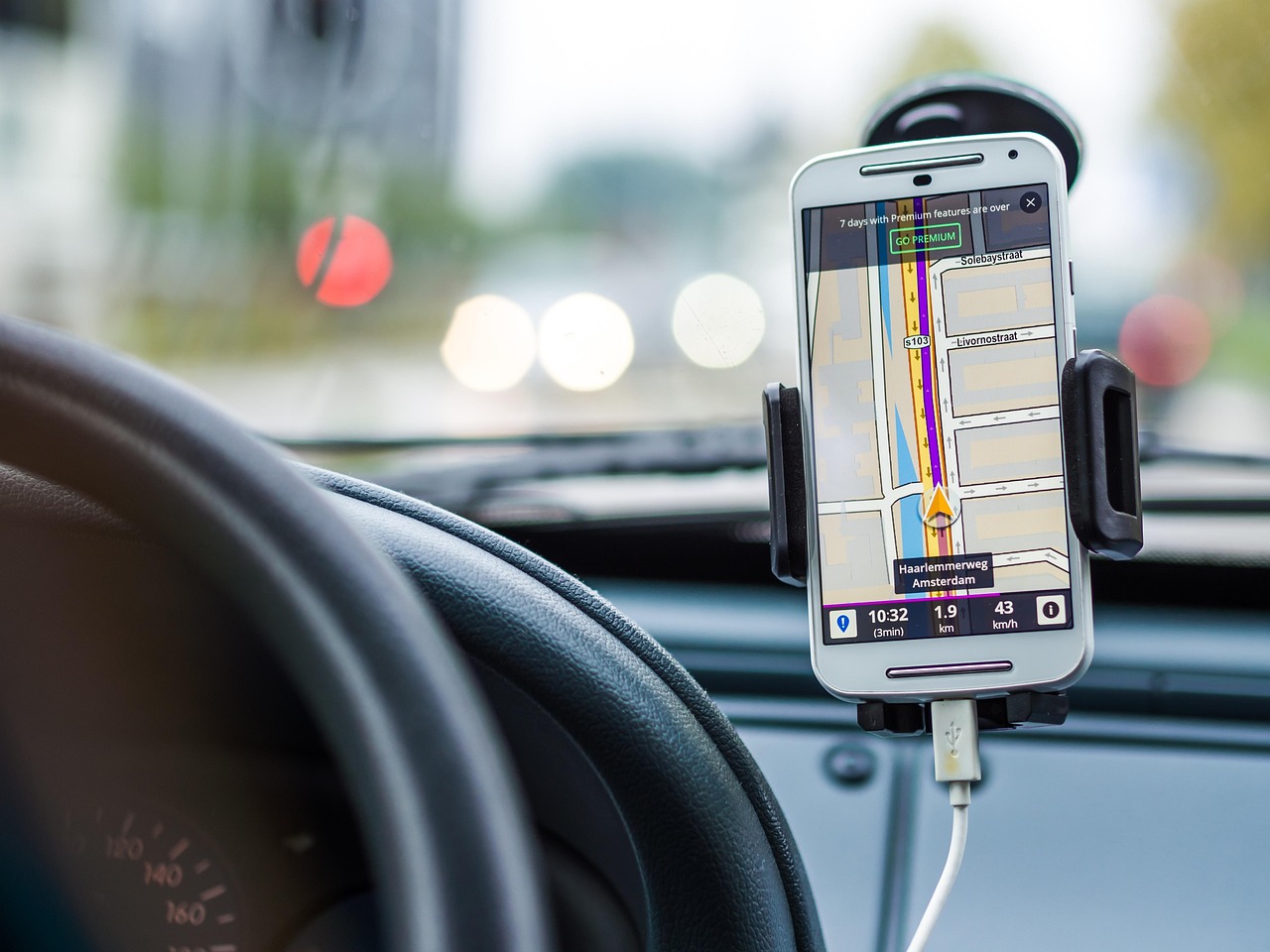
When a fleet vehicle is involved in a collision, the question of who was at fault rarely comes down to eyewitness memory alone. Investigators increasingly turn to a trio of digital sources: telematics feeds, dashcam footage, and service records. Together, these can reconstruct speed, braking, route history, and even the mechanical condition of the vehicle in the moments before impact.
Telematics systems continuously log data such as vehicle speed, harsh acceleration or braking events, GPS position, and engine diagnostics. For insurers and fleet operators, that stream of information can establish a timeline that is far more precise than a driver’s recollection. Dashcams add a visual layer, capturing what happened both in front of and, in some setups, inside the cabin, which can clarify fault in disputed claims.
Maintenance documentation plays an equally important role. Records showing whether brakes, tires, or safety systems were serviced on schedule can determine whether a mechanical failure contributed to the crash. For injured parties and their representatives, these documents can support or challenge liability claims. Fleet managers who keep organized digital service histories are therefore better positioned when an incident is reviewed.
The takeaway for operators is straightforward: treat data and documentation as part of your safety infrastructure. Consistent record-keeping and properly configured telematics and camera systems can protect drivers, reduce legal exposure, and speed up the claims process after an accident.
What do you think?