
Tasmania Backs 50 New Destination Chargers at Tourism Spots
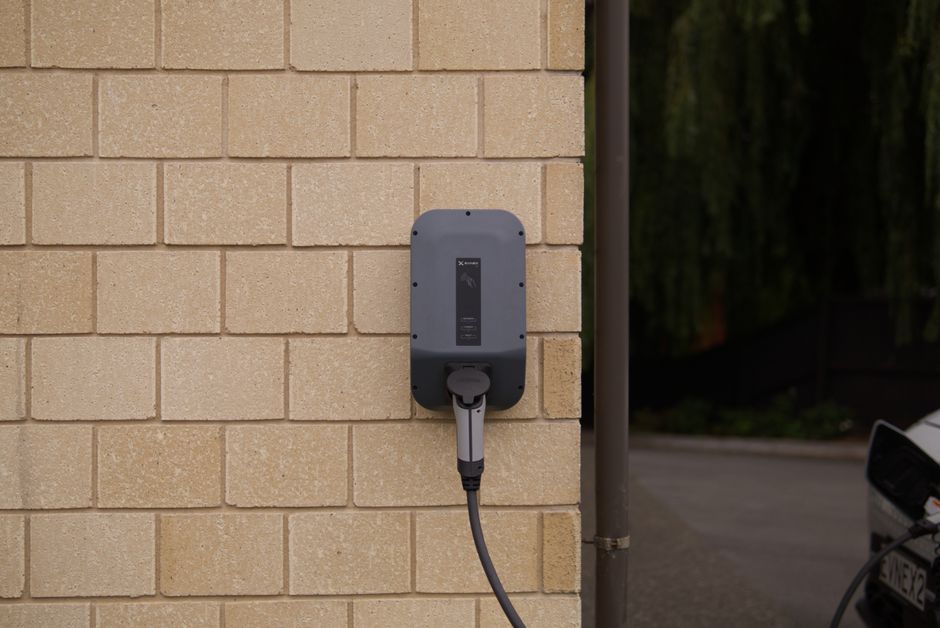
Tasmania is betting that the island’s scenery — not its plug count — is the reason visitors keep coming, and it is now paying tourism operators to keep drivers topped up overnight. Under the state-run Electric Vehicle Destination Charging Grant Program, a total of AU$250,000 has been set aside to help hospitality businesses add charging points at 24 destinations around the island.
The first half of that money, AU$125,000, has already been committed. Individual operators can claim as much as AU$2,500 per charger, capped at four units per business, and the grants are aimed squarely at small and medium-sized tourism companies that want to offer guests a place to plug in while they sleep.
Notably, the scheme favors slower AC equipment rather than the rapid DC hardware found on highway corridors. That choice reflects how destination charging actually works: cars sit parked for hours at a lodge or caravan park, so an overnight top-up is more useful — and far cheaper to install — than a high-power unit that would mostly sit idle.
Recipients from the first round include Bay of Fires Bush Retreat in Binalong Bay, Low Head Tourist Park, Rosevears Hotel and Wilder Tasmania in Gowrie Park. Applications for that round closed on 31 August, and a second tranche of AU$125,000 is expected to open in early 2027.
Roger Jaensch, the state’s Minister for Tourism, Hospitality and Events, framed the program as a natural fit for the island, noting that Tasmania’s compact geography and good roads make it well suited to EV road trips, and that the new hardware lets overnight guests plan a rest and a recharge before their next day out. The grants build on earlier state efforts, including the 2025 ChargeSmart round that directed AU$567,000 to 12 public fast-charging projects, and the Electric Highway Tasmania rollout in 2021 that launched with twelve 50 kW points and two ultra-rapid sites.
For travelers, the practical effect is a charging network that follows the itinerary rather than the highway: sleep, charge, drive, repeat.
What do you think?