
Fortescue Repurposes Car Factory Robots to Build the World's Largest 6 MW Electric Truck Chargers
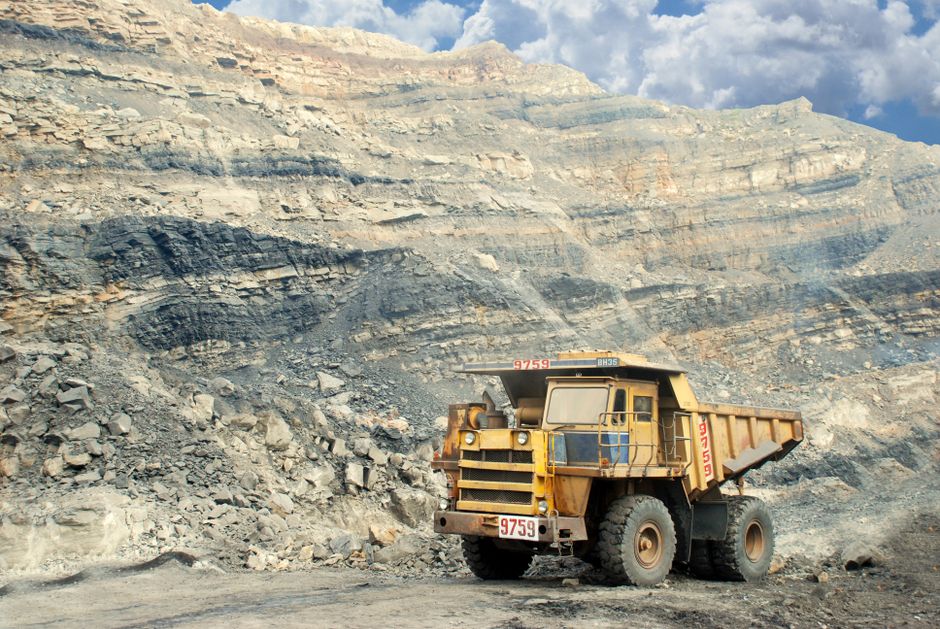
Fortescue, the Australian mining group, has developed what it describes as the world’s most powerful electric vehicle charger to support the electrification of its iron ore operations in the Pilbara region. The company’s 6-megawatt (MW) units, which it is manufacturing itself, are equivalent in power to around 24 Tesla 250 kW superchargers combined. The chargers are being tested at a facility in Perth and are now being rolled out at Eliwana, one of Fortescue’s mine sites.
The size and complexity of these chargers presented a unique engineering hurdle. Because no supplier makes a 6 MW charger, and many of its individual parts are not commercially available, Fortescue had to assemble systems and subsystems from industries as diverse as industrial robotics. The company adapted robots normally found on car factory welding lines to handle the massive charging connection. The reason is simple: a plug of this scale is far too large and dangerous for a person to manage, so the entire process must be automated. In practice, a haul truck enters the charging bay, the robotic arm takes images of the connection box, then physically connects to the truck. A handshake between the two systems follows, and charging begins.
Integrating such a load into a power grid also required custom solutions. Fortescue is effectively building its own renewable-powered grid, with more than 2 gigawatts of new solar capacity backed by over 4 gigawatt-hours of battery storage. The charger’s communication system talks to that green power network before initiating a charge, allowing the grid to prepare for the sudden 6 MW draw. As the company explains, the hardware is not simply pushing maximum power into a battery; it continuously calculates what the battery can safely accept and what the wider system can handle.
Operationally, Fortescue is still determining the best charging rhythm. Downtime is expensive in mining, but the company believes the extra time spent charging will be offset by lower maintenance requirements for electric haul trucks. The target is 20- to 30-minute charging sessions, slotted into natural pauses such as waiting for excavators. A full charge should last four to five hours depending on the truck’s workload. Fortescue plans to connect its first Liebherr 240-tonne electric haul trucks later this year and then adapt the chargers for XCMG models arriving next year.
The harsh Pilbara environment adds another layer of difficulty. Temperatures regularly exceed 40 degrees Celsius in summer and can fall below freezing at night in winter. Dust, wind, and heat forced the company to design liquid-cooled DC cables and to think carefully about earthing, lightning protection, impact barriers, and safety fencing around the charger. These chargers are central to Fortescue’s broader “real zero” ambition, which targets the elimination of fossil fuels from its operations by 2030. The company is investing more than $6 billion in the renewable grid and the electrification of its mining fleet.
What do you think?