
Suzuki's First Mini EV, the e Sky, Arrives in Japan This November with 310 km Range
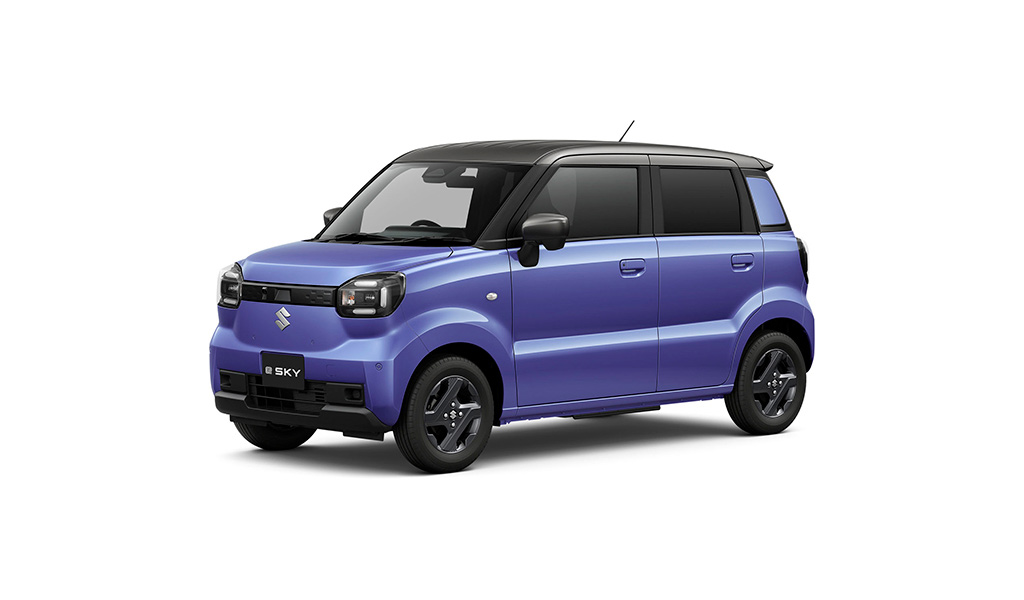
Suzuki is set to launch its first passenger mini electric vehicle in Japan on 16 November 2026. The model, called the e Sky, will be built on a dedicated Heartect-e platform and will use an eAxle setup paired with regenerative braking. Suzuki is quoting a driving range of 310 km for the new EV, a figure aimed squarely at the country’s large base of gasoline mini-car owners.
Rather than chasing headline performance numbers, Suzuki is positioning the e Sky around the idea of making the switch to electric power as painless as possible. The company developed the car under what it calls an “Easy to Switch” concept, adding features designed to smooth the transition for drivers coming from combustion-engined kei cars, while retaining the quiet operation and linear acceleration that buyers expect from an EV. Suzuki has not yet disclosed pricing or sales targets for the model.
The engineering side of the project follows Suzuki’s long-standing Sho-Sho-Kei-Tan-Bi philosophy, which prioritises smaller, fewer, lighter and shorter components. Weight reduction is central to how the e Sky achieves its range claim, though Suzuki has not revealed the battery capacity or the testing basis behind the 310 km figure. The car also manages a minimum turning radius of 4.4 metres, a useful attribute for the tight streets that mini vehicles are built for.
Suzuki’s primary sales argument, however, is energy efficiency. Japan’s Ministry of Land, Infrastructure, Transport and Tourism has certified the e Sky’s AC consumption at 97 Wh/km under the worldwide harmonised light vehicles test cycle. Suzuki says this is the best result in its class, based on an internal survey conducted in October 2026. That consumption rating stands as the only independently verified performance figure attached to the vehicle so far, giving the automaker a credible, government-backed talking point as it tries to convince Japanese drivers to go electric.
The launch comes as Japan’s automakers accelerate their electric and software-related efforts. In recent days, Honda has brought in Applied Intuition to speed up work on its software-defined vehicle platform, while Nissan has expanded its own tie-up with the same company into in-vehicle operating systems. Against that backdrop, Suzuki’s mini EV debut will be watched closely as a test of whether the kei segment — long the stronghold of affordable gasoline motoring in Japan — can make a convincing shift to battery power.
What do you think?