
Akia Wins Landmark Istanbul Tender for 50 Electric Buses
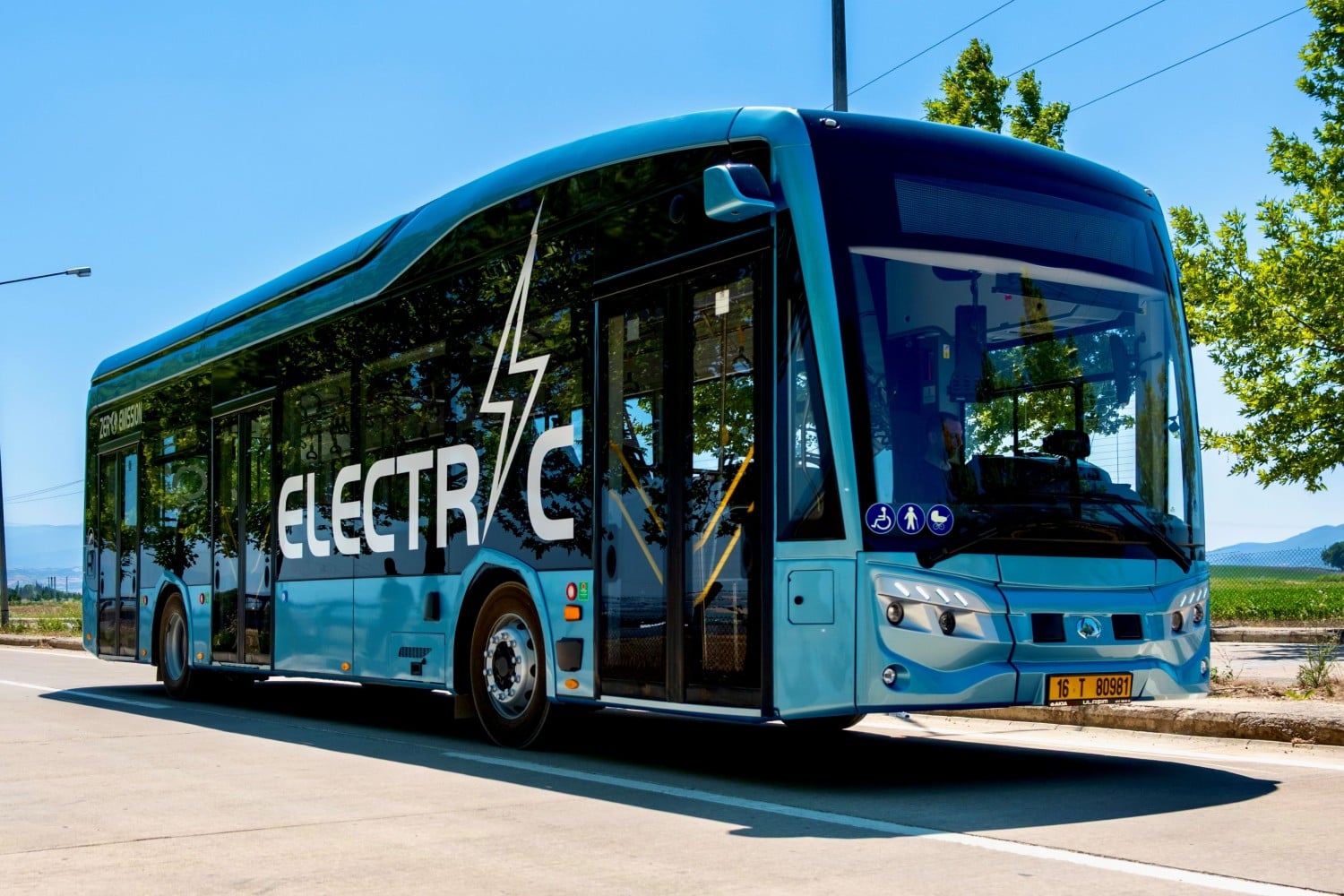
Istanbul’s public transport network is set to receive a significant zero-emission boost after local manufacturer Akia Automotive secured a contract to supply 50 battery-electric buses to the city. The order, placed by the IETT General Directorate — the body responsible for Istanbul’s electric tram and tunnel operations — is being described by the company as Turkey’s first major electric bus tender. Production is scheduled to begin in 2027, with deliveries expected the following year.
The vehicle selected for the contract is Akia’s Ultra LF12EV, a low-floor city bus designed for high-capacity urban routes. It pairs a 240-kW electric motor with a 465 kWh battery pack, and the manufacturer quotes a passenger capacity of up to 80 people. A wheelchair ramp is fitted as standard, improving access for riders with reduced mobility.
Beyond the drivetrain, the bus packs a suite of technology aimed at both drivers and fleet managers. Driver assistance systems are included, alongside a digital camera setup that takes the place of traditional side mirrors. A telematics platform allows operators to monitor battery condition, energy use and overall fleet performance in real time — features that matter for depots juggling charging schedules and route planning across a dense city.
While this is Akia’s most visible domestic electric bus deployment to date, the Ultra LF12EV is not a newcomer to foreign markets. The model has already been exported abroad, with Serbia among the destinations cited. The Istanbul rollout therefore builds on existing production experience rather than a clean-sheet design.
For Turkey, the contract signals a step toward electrifying urban public transport on a larger scale. Akia’s management framed the project as an important move in shifting the country’s bus fleets to electric propulsion while supporting broader adoption of sustainable mobility in cities. With manufacturing based in Bursa and the company headquartered in Istanbul, the order keeps both development and assembly work within Turkey — an angle likely to appeal to local policymakers as electric bus demand grows across Europe and the wider region.
What do you think?