
Stellantis Italy Output Rebounds Toward 450,000, Yet Fiat 500 Misses Its Mark
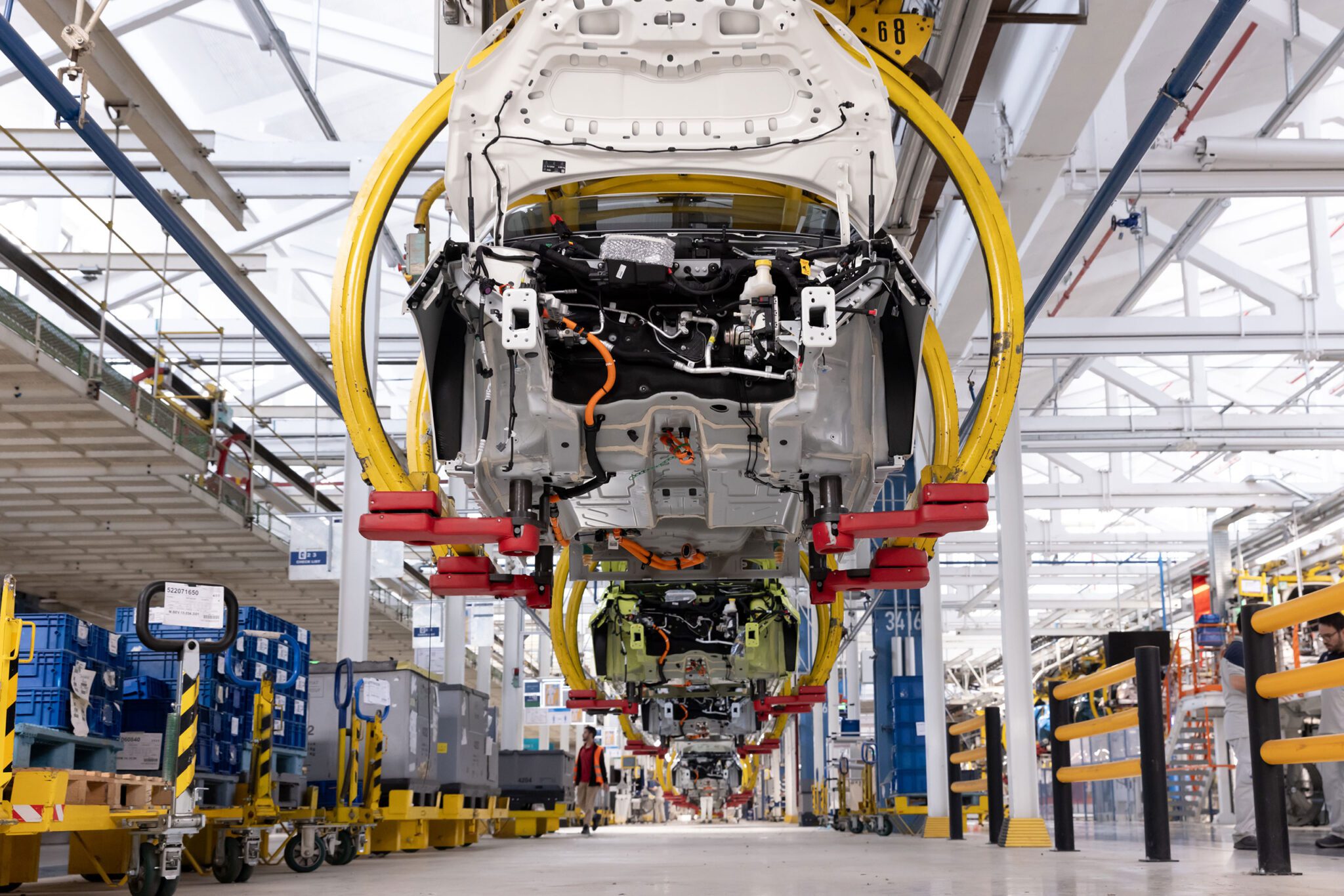
Stellantis looks set to assemble roughly 450,000 vehicles in Italy this year, snapping a two-year slide. Union data from FIM-CISL shows first-nine-month output climbing 28% to 340,745 units. The recovery, though, is losing steam rather than gathering it.
The numbers behind the headline are lopsided. Passenger car production jumped 36.7% to 206,945, with the new Jeep Compass at Melfi and the Fiat Panda doing the heavy lifting — the Panda alone represents half of all cars built in the country. Commercial vehicles added 17.3% to reach 133,800, all of it rolling out of Atessa, which now accounts for 39.3% of Italy’s total vehicle output.
The hybrid Fiat 500 was supposed to be the centerpiece of the comeback. Instead it is tracking toward roughly 60,000 units, well below the 100,000 originally envisioned. Softer-than-expected demand and repeated line stoppages tied to engine component shortages have both taken a toll. Short-time working is scheduled to resume at Mirafiori later in October following an eight-month pause, after late-September halts there and at Melfi over missing parts.
Cassino remains the outlier, with output down 37.1% on an already weak 2025 — the only car plant still contracting. Industry Minister Adolfo Urso has pressed for a development plan covering both models and jobs. FIM-CISL is due to sit down with Stellantis on 15 October, ahead of regional talks in Turin five days later. Employment at Stellantis’ Italian sites has shrunk by about 1,000 over the course of 2026.
The context makes the soft 500 demand more pointed. Chinese brands captured one in four hybrid sales and one in three plug-in hybrid sales across Europe in August, leaning on the EU’s tariff gap for partially electrified vehicles. Some of that momentum flows back into Stellantis’ own books through its Leapmotor International joint venture, whose EU sales surged 211% year-over-year in August — but that volume lands in Spain, not Italy. The fourth quarter should bring modest relief as DS7 and Lancia Gamma production begins, and Melfi aims for full capacity in 2027 once new lines and a fresh Alfa Romeo are running. Even so, FIM-CISL expects Italy to fall short of 500,000 vehicles this year, and the conditions for a return to the million-plus of 2017 simply aren’t there.
What do you think?