
Stellantis CEO Predicts Inevitable US EV Transition, Warns of a More Fragmented Global Auto Industry
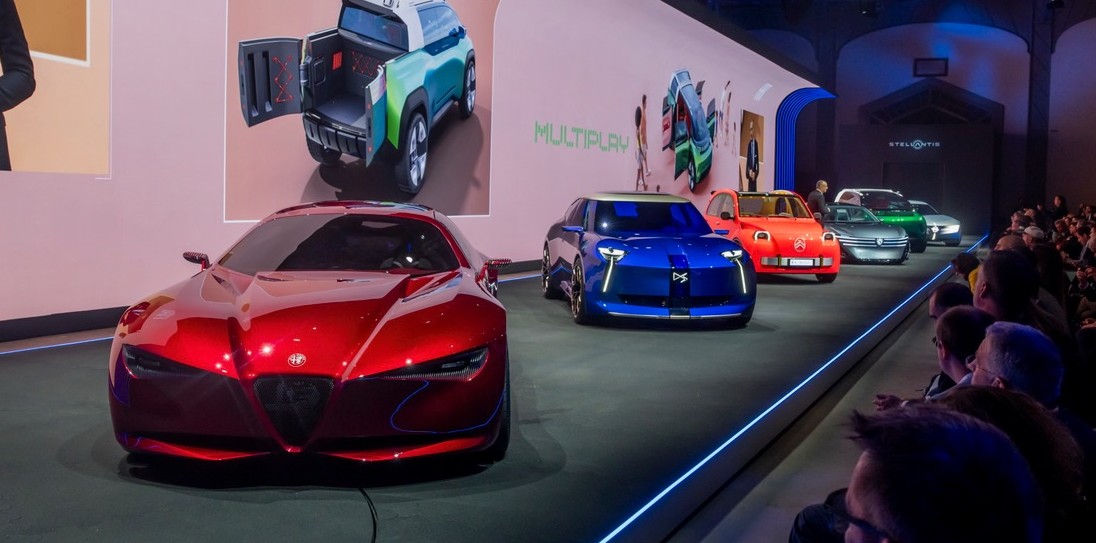
Stellantis CEO Carlos Tavares has reiterated his belief that the United States will eventually move toward electric vehicles, even as the pace of adoption remains uncertain. Speaking at an industry event, Tavares suggested that the shift is inevitable but will unfold differently than in Europe or China, shaped by local market forces and regulatory pressures. His comments come as automakers globally reassess their EV strategies amid fluctuating demand and changing political landscapes.
Tavares also highlighted a broader trend: the auto industry is becoming increasingly regional. Rather than a single global market, distinct regional blocks—North America, Europe, and China—are developing their own sets of regulations, consumer preferences, and supply chains. This fragmentation, he argues, requires manufacturers to adopt more localized strategies, from product planning to manufacturing. For Stellantis, which owns brands like Jeep, Ram, and Peugeot, this means tailoring its EV and hybrid offerings to each region’s specific needs.
The CEO’s remarks reflect a growing consensus among industry leaders that the transition to electric mobility will not be uniform. In the US, where pickup trucks and large SUVs dominate, the shift may take longer and require different product mixes compared to Europe’s smaller vehicle segments. Meanwhile, China’s rapid electrification is driven by its own policy environment and intense domestic competition. Tavares has previously cautioned against overly aggressive EV mandates, advocating for a balanced approach that includes hybrid technologies as a bridge.
Stellantis has been investing heavily in electrification, with plans to launch dozens of EVs globally by 2030. The company has also formed partnerships to secure battery supplies and is developing flexible platforms that can accommodate electric, hybrid, and combustion powertrains. This adaptability is seen as key to navigating the regionalized landscape Tavares describes. However, the company faces challenges, including pricing pressures and the need to maintain profitability while scaling EV production.
As the industry evolves, Tavares’ perspective underscores the importance of flexibility and regional responsiveness. While the eventual US EV shift may be inevitable, the path there will be shaped by a complex interplay of economics, infrastructure, and policy—factors that will differ markedly from market to market. For automakers, the winners will likely be those that can adapt quickly to these regional nuances while managing the substantial costs of the transition.
What do you think?