
Startup Retrofits Cargo Ship Diesel Engines With AI-Managed Hydrogen System
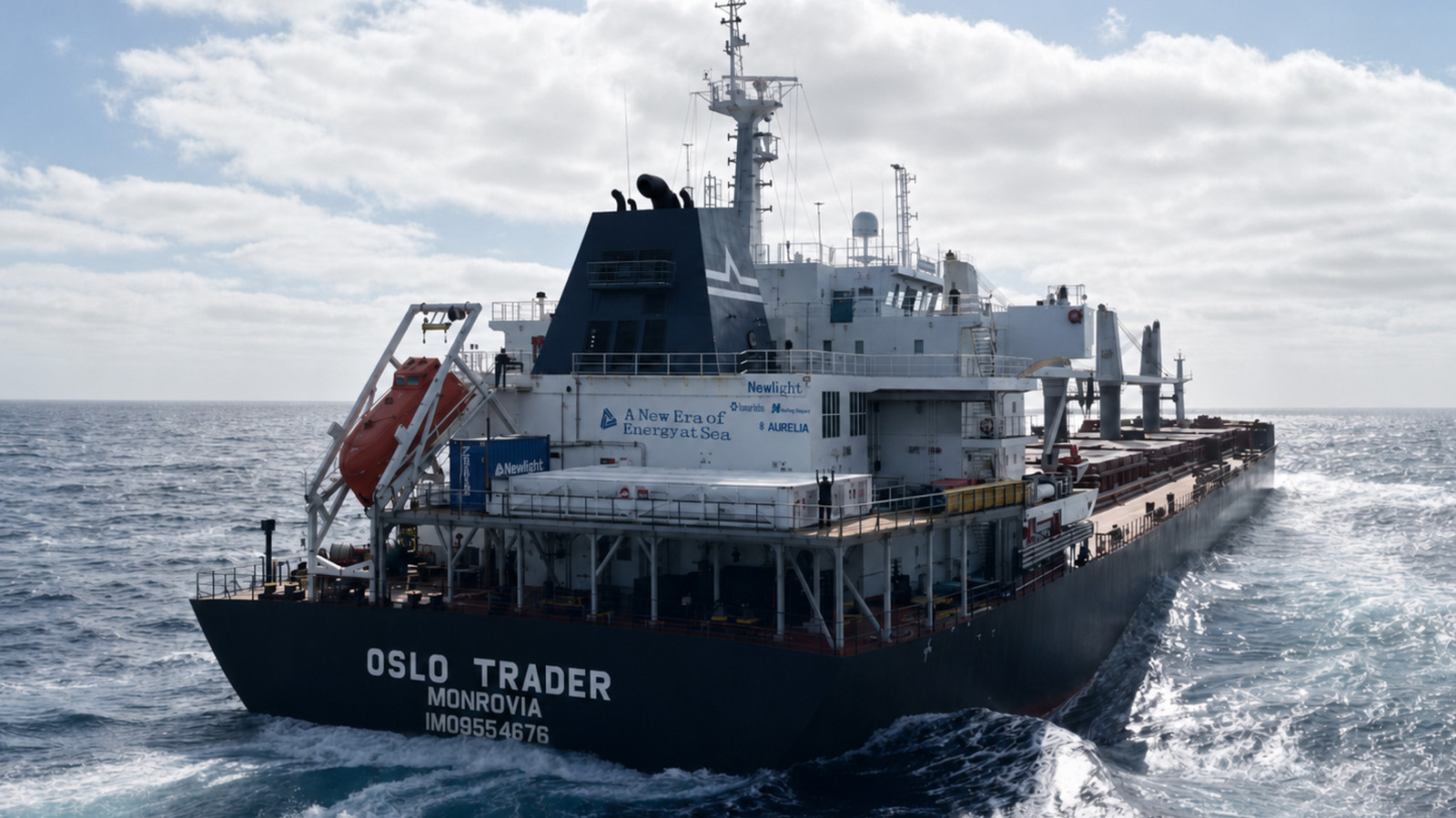
A startup is pitching a new way to cut emissions from the global shipping fleet: instead of replacing diesel engines outright, it retrofits them with a hydrogen injection system whose operation is governed by AI-driven controls. The approach targets the existing diesel powerplants that move the vast majority of world trade, aiming to reduce their fuel consumption and associated emissions without demanding a full powertrain swap.
Retrofitting is an attractive proposition in the maritime sector because ships are long-lived assets. A vessel launched today can remain in service for decades, and tearing out its engine room is a costly and technically complex undertaking. By layering a hydrogen feed and an intelligent control layer onto the engines already installed, the startup hopes to offer shipowners a lower-barrier path to cleaner operation.
The AI component is central to the concept. Marine diesel engines run under wildly varying loads depending on weather, cargo weight and route, and hydrogen injection has to be timed and proportioned carefully to avoid knocking, thermal stress or wasted fuel. Software that continuously adjusts the mix in response to real-time engine data is intended to keep combustion stable across that range, rather than relying on a fixed mechanical setting.
Hydrogen remains a contentious fuel for shipping. It carries a high energy content by mass but is difficult to store and transport, and the vast majority of hydrogen produced today is still derived from fossil feedstocks. If the electricity used to make it comes from clean sources, the emissions math improves considerably — which is why the concept’s environmental value depends heavily on where the hydrogen itself originates.
The idea sits alongside other efforts to decarbonize heavy transport, including battery-electric short-haul vessels and alternative fuels such as methanol and ammonia. For now, the startup’s retrofit pitch is notable less as a finished solution than as a signal of where maritime engineering is heading: squeezing cleaner operation out of the engines already at sea, rather than waiting for the fleet to turn over. Whether shipowners embrace it will depend on demonstrated fuel savings, certification pathways and the availability of hydrogen at port.
What do you think?