
Biofuels: A Viable Path for the Automotive Industry's Future?
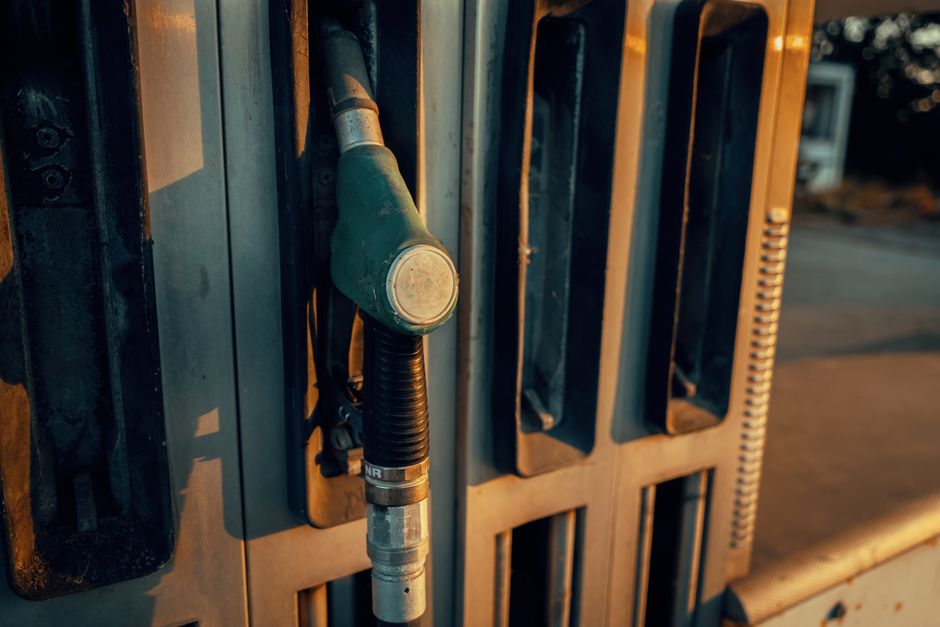
As the automotive world grapples with decarbonization, biofuels have emerged as a potential solution to reduce reliance on fossil fuels. Unlike electric vehicles, which require extensive charging infrastructure, biofuels can be integrated into existing fuel distribution networks and used in current internal combustion engines with minimal modifications. This compatibility makes them an attractive option, particularly for sectors like heavy transport and aviation where electrification faces significant hurdles.
Biofuels are derived from organic matter such as plants, agricultural residues, and even algae. They are broadly categorized into ethanol (often blended with gasoline) and biodiesel (blended with diesel). These fuels can lower greenhouse gas emissions on a lifecycle basis because the plants used to produce them absorb carbon dioxide as they grow. However, critics point out that large-scale biofuel production can compete with food crops for land and water, raising concerns about sustainability and indirect land-use change.
Despite these challenges, ongoing research aims to develop advanced biofuels from non-food sources like agricultural waste, algae, and dedicated energy crops grown on marginal land. These second-generation biofuels could mitigate some of the drawbacks associated with conventional biofuels. Furthermore, the concept of a circular economy, where waste streams are converted into fuel, is gaining traction among policymakers and industry players.
In the broader context of transportation, biofuels are seen as a complementary strategy rather than a standalone cure. They can help reduce emissions from the existing fleet of vehicles while electric and hydrogen technologies continue to mature. For emerging markets with limited EV charging infrastructure, biofuels offer a more immediate route to cleaner transportation. The key will be to ensure that biofuel production is sustainable and does not undermine food security or biodiversity.
Ultimately, whether biofuels become a major pillar of the automotive future depends on technological breakthroughs, supportive policies, and industry investment. As the world seeks to balance environmental goals with practical realities, biofuels are likely to remain part of the conversation, especially for applications where batteries are impractical.
What do you think?