
Speed, Not Income, Is What Really Drives Mobility Growth
Every debate about traffic congestion usually circles back to the same suspects: rising incomes, cheaper driving, remote work, or shifting tastes. Arie Bleijenberg, president of Transport & Environment, argues that all of this misses the one variable that actually explains how far people travel — speed.
The core insight is simple. When trips get faster, people simply go further. Daily travel time stays remarkably fixed at roughly 1.1 hours per person, whether you live in a dense city or the countryside. If that time budget is constant, then faster transport inevitably stretches the distance covered.
The Paris–Lyon Lesson
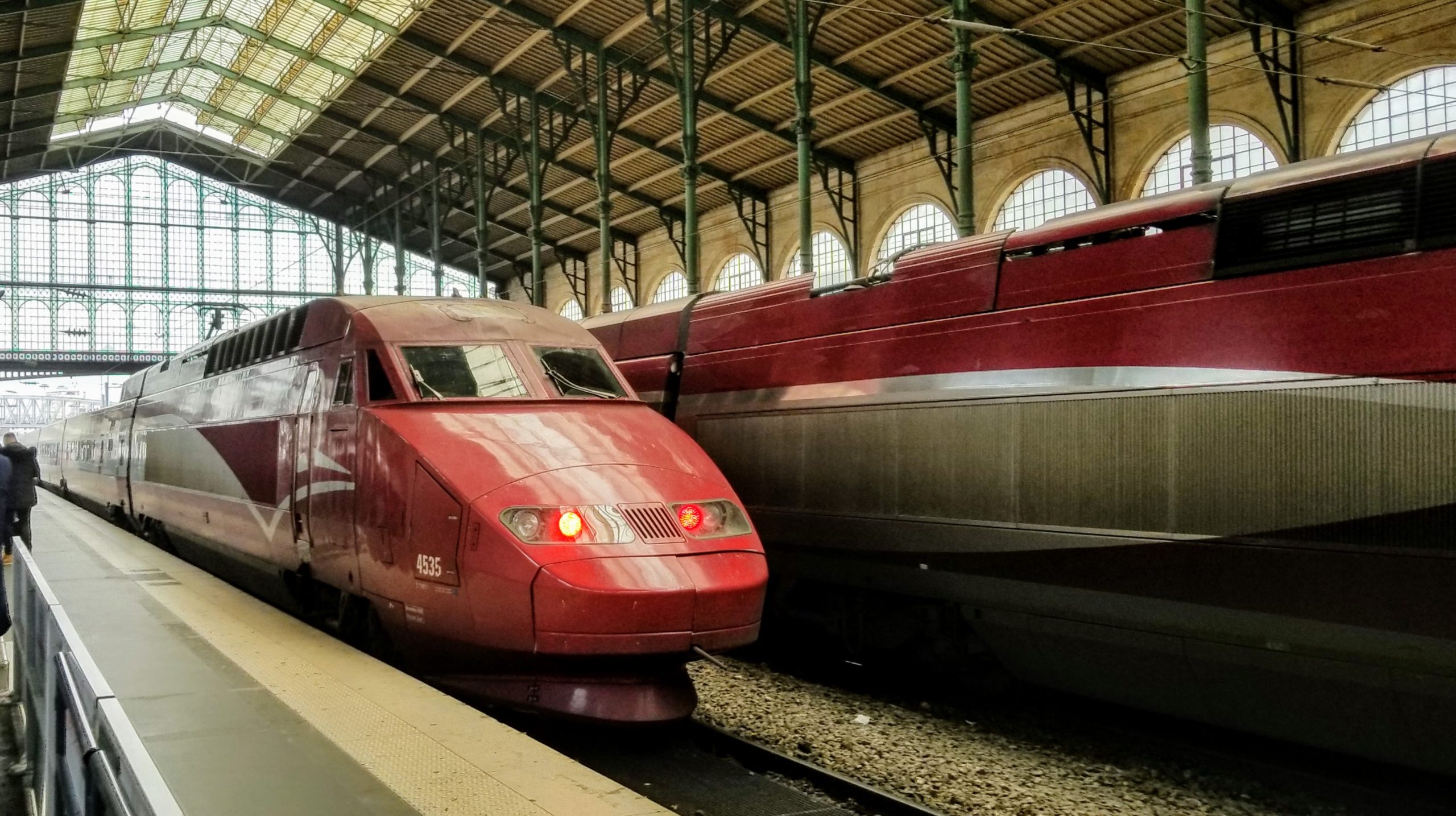
A textbook case is the high-speed rail link between Paris and Lyon. Before it opened in 1981, a daily commute between the two cities was unthinkable. Afterward, it became routine — not because people suddenly earned more, but because the journey shrank.
The same mechanism played out with the car after the Second World War. Ownership and cruising speeds climbed together, and suddenly homes could sit further from workplaces, schools, shops, hospitals and friends. Dutch figures show the average distance travelled per person per day tripled from 10 to 30 units since 1960 — growth driven almost entirely by the car, which wins door-to-door races against buses, trains and bicycles.
The problem? Speed barely features in standard transport thinking. Traffic engineers and policymakers rarely measure average urban or rural speeds, and that blind spot has real consequences.
Three Things the Speed Blind Spot Hides
- New roads don’t cure congestion. Capacity opens, speeds rise briefly, then extra traffic fills the gap within a few years. One study captured this neatly under the title “The Fundamental Law of Road Congestion.”
- Car mobility is already flattening. In mature motorway economies, average speeds plateaued around the turn of the century. Dutch car mobility per person actually fell 3% between 2005 and 2019, with the UK, Spain, Belgium, Sweden and Luxembourg showing similar declines. Forecasts that ignore this keep overshooting.
- Density beats distance. Cars in big cities move at less than half the national average speed, so city dwellers rack up roughly half the car kilometres of everyone else. Mixed housing, workplaces, shops and parks deliver accessibility more cheaply than asphalt ever will.
“The neglect of speed as the main driving force behind mobility growth hinders effective policies towards affordable and sustainable accessibility.”
Bleijenberg doesn’t mince words about who benefits from the confusion. Misreading the causes of mobility growth, he writes, suits the car and road industries just fine — and keeps politicians chasing solutions that never arrive.
For anyone watching the EV transition, the conclusion has a certain bite. Electrifying the fleet solves emissions, but it doesn’t fix the underlying geometry of how far we drive. Getting accessibility right may depend less on what powers the car and more on how close destinations sit to the people who need them.
Photo: CleanTechnica · Official Press Kit / Editorial (Editorial / Press Kit)
Source: CleanTechnica
What do you think?