
South Korea Unveils 10-Year Green Plan: 100 GW of Renewables by 2030
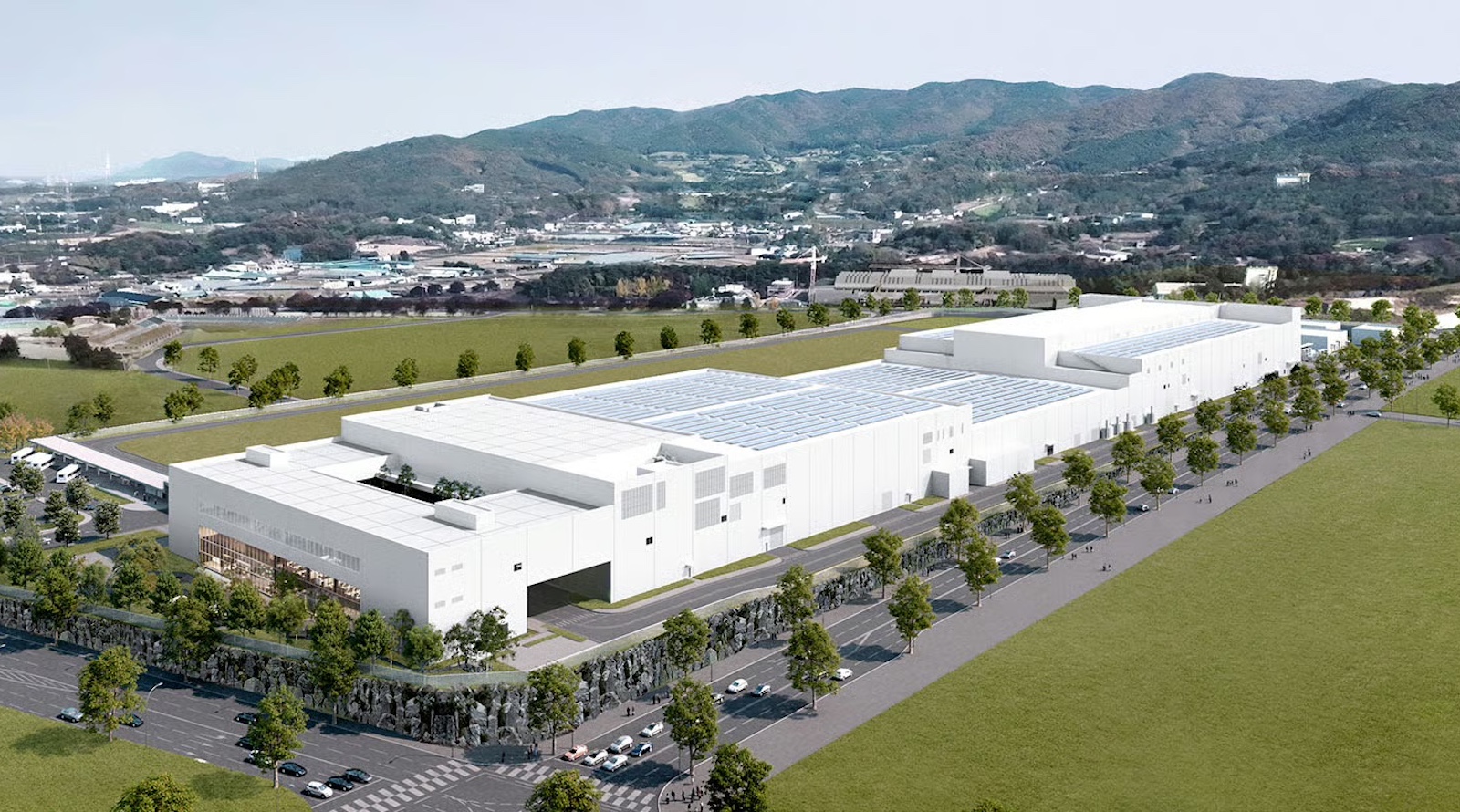
South Korea has laid out an ambitious decade-long roadmap aimed at cutting its reliance on imported fossil fuels while reshaping its industrial base around cleaner energy. Unveiled this week, the so-called Korea — Green Transformation (K—GX) Strategy sets a target of adding 100 GW of renewable generating capacity to the national grid by 2030, backed by grid upgrades designed to move that power wherever demand is highest. For context, the country’s total installed capacity stood at 160 GW in 2024, with nuclear accounting for 26 GW, and peak demand this August — during a punishing heat wave — reached 104 GW. The government estimates the overall effort will require close to $750 billion (roughly €665 billion) in investment over ten years, with priority given to decarbonizing its heaviest emitters: steel, petrochemicals, cement, semiconductors and displays, and refining.
Heavy industry sits at the center of the plan. In steel, Seoul is backing a demonstration project intended to yield 300,000 tons of green steel by 2030 using hydrogen rather than coal to reduce iron, scaling to 2.5 million tons by 2036, with a long-term ambition of hydrogen-based reduction across all domestic steel production by 2050 if the approach pans out. The strategy also leans on corporate heavyweights: Hanwha Qcells is positioned to lead on clean power materials and perovskite tandem solar cells, POSCO Holdings on steel decarbonization, and LG Electronics alongside Samsung Electronics on a joint push to widen adoption of heat pumps and other low-carbon solutions for homes.
Transportation and batteries feature prominently as well. The K—GX framework aims to accelerate the shift to electric and hydrogen vehicles, targeting a 70 percent share of new car and truck sales by 2035, supported by fresh subsidies for EVs built with low-carbon steel and potential regional variation tied to local renewable availability. Korea currently holds 3.8 percent of the global EV market, ranking eighth, and hopes to climb to third place among suppliers by 2035 — a goal that would lean on an overhauled subsidy system, an electricity fuel subsidy, added support for drivers leaving combustion vehicles behind, and a battery leasing program. On the battery front, the government wants to commercialize high-performance solid-state cells by 2027 and emphasize low-cost sodium-ion technology by 2030. It also aims to be first to mass-produce high-efficiency tandem solar cells by 2028 and to become the leading supplier of next-generation tandem cells by 2035.
Grid modernization underpins the entire effort, with HVDC transmission lines and higher-capacity replacement cables identified as essential to absorbing more renewables. More than half of the climate financing is earmarked for areas outside the Seoul metropolitan region, and at least 70 percent will flow to small and medium-sized enterprises and mid-sized firms. Seoul plans to issue its first green bonds in 2028 and expand tax credits for domestically produced key components used in solar, wind, and secondary batteries.
President Lee Jae Myung framed the transition as an economic necessity as much as an environmental one, describing it as a strategy that safeguards competitiveness and protects citizens from climate disruption while moving the country from follower to leader in green markets. If execution matches ambition, Korea expects to rank as the world’s third-largest green economy — a striking contrast with jurisdictions currently doubling down on fossil fuels.
What do you think?