
Solaris Debuts Urbino 40 Electric Bus for US Transit Agencies
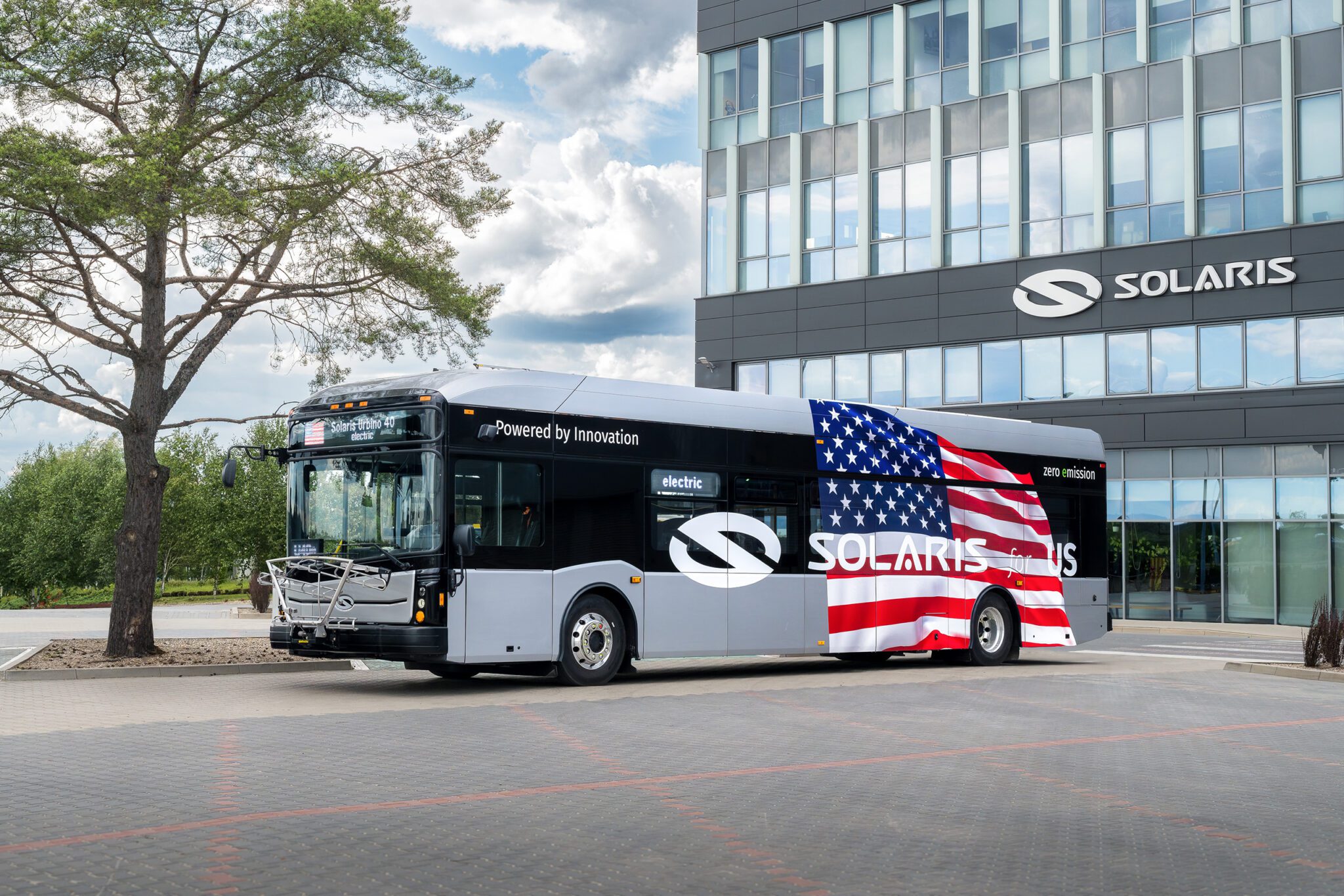
Polish bus maker Solaris has stepped into the American market with a battery-electric model engineered specifically for the operating realities of US transit agencies. The Urbino 40 electric was presented on 5 October 2026 at the American Public Transportation Association’s TRANSform & Expo in Chicago, marking the brand’s first dedicated North American product. Solaris, which has belonged to Spain’s CAF Group since 2018, chose a purpose-built platform rather than adapting an existing European design.
The roof-mounted battery arrangement is a central part of the pitch. Solaris argues that placing the packs up top supports the range agencies need across punishing daily duty cycles, while also freeing floor space and simplifying service access. The bus bundles in-house battery integration and vehicle monitoring with thermal management, energy-efficient climate control and a suite of driver assistance features.
From the driver’s seat, the Urbino 40 electric offers a fully enclosed cabin, exterior rear-view cameras, cornering lights and an ergonomic cockpit layout. Passengers get wide aisles and flexible accessible areas designed for multi-use configurations, details that matter for high-frequency urban routes.
Solaris is positioning itself in the region with zero-emission buses in both 40-foot and 60-foot lengths. Its first US deliveries are slated for King County Metro in Seattle and the San Francisco Municipal Transportation Agency, complementing its trolleybus supply work for TransLink in Vancouver. The company’s track record includes roughly 30,000 vehicle deliveries across 900 cities in 34 countries.
For CAF, the US bus launch builds on years of supplying rail equipment to the same American transit operators, giving the parent company a broader mobility portfolio. Solaris cites local manufacturing in its North American messaging without spelling out specifics, and confirms that every Solaris bus is currently produced in Poland. Its product line now revolves around battery-electric, hydrogen fuel cell and trolleybus models.
The move reflects a wider scramble among global bus manufacturers to win contracts from US agencies under pressure to decarbonise fleets. Whether Solaris can convert its rail-linked relationships into bus orders will be the real test of this debut.
What do you think?