
Solar Panels and Farming Share the Same Land, and It's Paying Off in the Midwest
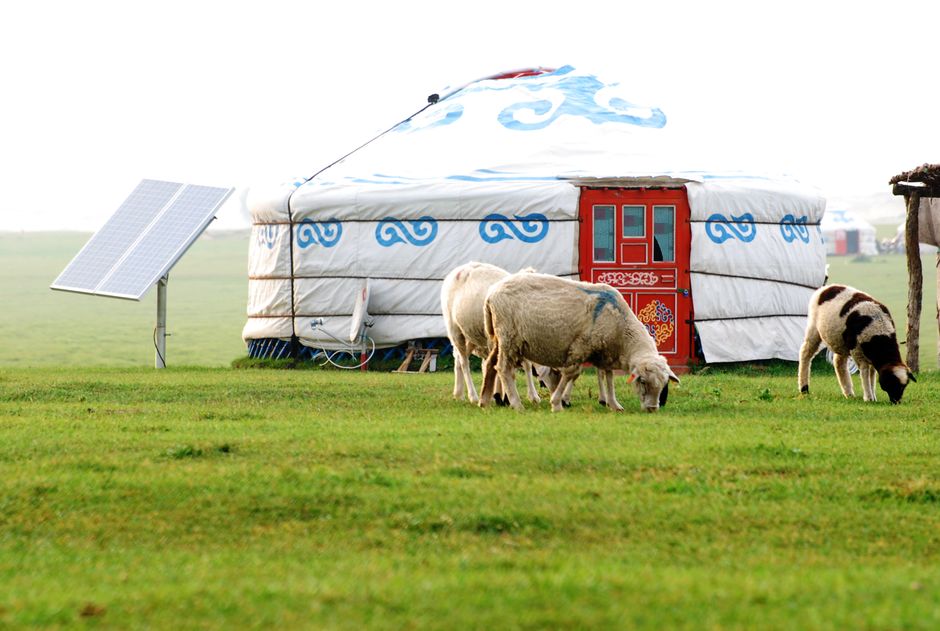
A growing number of US solar projects are being designed so that agriculture keeps happening underneath and around the panels. This approach, known as agrivoltaics, pairs electricity generation with grazing, crop production, or habitat restoration, and it is steadily moving from research curiosity to commercial reality.
One of the clearest examples sits in northwestern Indiana. Doral Renewables has been building the Mammoth solar complex across leased land belonging to more than 65 families in Starke and Pulaski counties. The project was rolled out in stages, and the final 900-megawatt phase reached commercial operation in early October after roughly 18 months of construction, bringing the site’s total capacity to 1.3 gigawatts. Indiana’s energy secretary, Suzanne Jaworowski, framed the milestone around what the industry calls speed-to-power, noting that demand for electricity is climbing fast and every available megawatt matters to the grid.
Agriculture has not disappeared from the site. By the time the first 400 megawatts came online, Mammoth was hosting around 2,000 grazing animals, including sheep, donkeys, alpacas and kunekunes, a small pig breed. The animals act as natural vegetation managers, keeping plants from interfering with the panels while reducing the need for diesel-powered mowing equipment. Doral says it is still exploring specialty crops and continued sheep and cattle grazing on the property.
Beyond livestock, the company points to land preservation as a core argument for solar. Unlike conventional real estate development, solar plants involve limited surface disturbance, and the land can theoretically return to farming once the equipment is removed. The Mammoth build also fed into local industry: Indiana steel producers supplied about 20,000 tons of steel for racking systems and other hardware.
A second Doral project, the 1.3-gigawatt Vista Sands solar plant in Wisconsin, has drawn backing from conservation groups such as the Audubon Society because it is tied to a connected grasslands conservation effort on private land. Supporters say it would allow more than 50 wells to shut down, easing pressure on a water-stressed region, and would sharply cut fertilizer and insecticide runoff. An engineering report cited by the company estimated public health and ecosystem benefits of $630 million in the plant’s first year of operation.
Meanwhile, Doral has joined a research partnership led by Purdue University called Midwest Agrivoltaics for Resilient Communities. The group is examining how producing food and energy on the same land can strengthen rural economies and power security against severe weather. Purdue researcher Dan Chavas, the project’s principal investigator, said the goal is to understand how agrivoltaics can make rural communities more resilient and prosperous when hail damages harvests, heat stresses livestock, or storms cut electricity. Mammoth has set aside a demonstration zone for research, including robotics testing, advanced monitoring and crop trials, with involvement from solar tracker firm Nextpower and utility NiSource.
Federal policy remains a complication. The MARC initiative secured National Science Foundation funding at launch, but other support for farm-based solar has narrowed after Agriculture Secretary Brooke L. Rollins introduced new rules that effectively block farmers from the low-cost loans and grants previously available under the Rural Energy for America Program. Last month, the Environmental Law & Policy Center and Earthjustice sued Rollins and the Agriculture Department, arguing the changes unlawfully exclude solar and retroactively deny payments to existing recipients, leaving rural businesses facing tens of thousands of dollars in unexpected costs.
What do you think?