
Geely Confirms 2027 Canadian Market Entry, But Remains Silent on Models
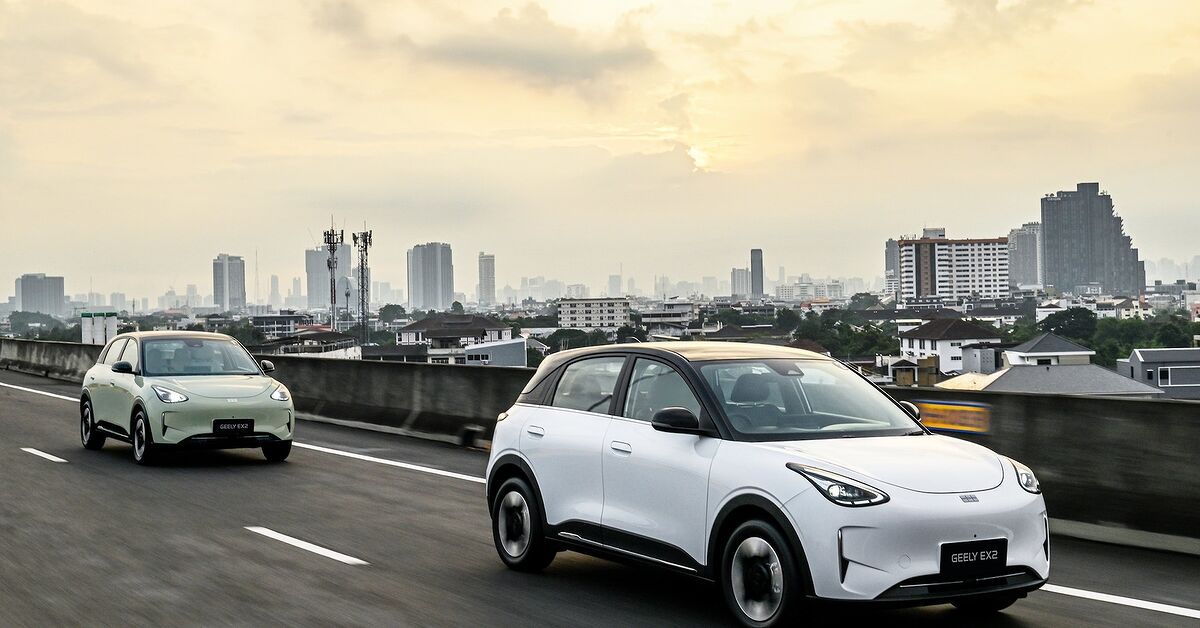
Geely Auto has planted its flag in Canada—sort of. The Chinese automaker has confirmed it will establish Canadian operations ahead of a 2027 sales launch, complete with a dealer and service network. What it declined to share is what Canadians will actually be able to buy.
For a company preparing to compete in a new market, Geely Auto Canada is holding an unusual number of cards close to its chest. No model lineup. No pricing strategy. No dealership locations. No indication of whether the opening roster will lean toward battery-electric, hybrid, or conventional gasoline powertrains. A Canadian leadership team is reportedly already assembled, and a corporate website has been set up to release vehicle information “as preparations continue”—which, in plain terms, means later.
Bryan Wu, managing director of Geely Auto Canada, described the country as “an important next step in Geely Auto’s international growth” and characterized the move as “a long-term commitment.” He continued: “We know that trust is earned over time, and we are committed to earning it here.” It’s a generous amount of language about trust from a brand that has yet to name a single vehicle for the market.
The sparse Canadian disclosure stands in sharp contrast to Geely’s global footprint. Geely Auto Group reported worldwide sales of 3,024,567 vehicles in 2025, a 39 percent increase over the previous year. Its new-energy vehicle volume reached 1,687,767 units, up 90 percent. Group products are sold in more than 100 countries and regions under the Geely Auto, Lynk & Co, and Zeekr brands.
One important clarification: this announcement pertains specifically to Geely Auto—it is not a commitment that every brand under the parent group will follow. Anyone anticipating Zeekr showrooms in Canada by 2027 has no concrete basis for that expectation. Geely Auto Canada says its retail network will rely on local partners “familiar with the communities they serve,” though it has identified none of them publicly. The factors that will truly determine whether this venture succeeds—vehicle selection, pricing, and service coverage—remain entirely undisclosed. A 2027 timeline gives the company room to prepare. Whether it uses that window to build a network Canadians can genuinely depend on is the unanswered question.
What do you think?