
Short Block, Long Block or Complete Engine: What the Labels Actually Mean
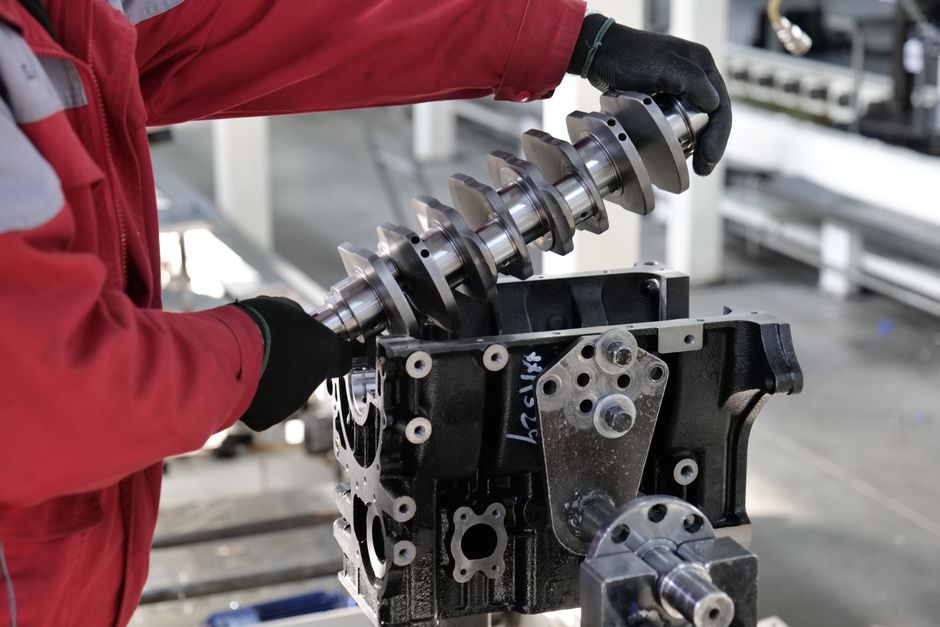
Engine shoppers and DIY rebuilders run into three labels that sound like quality grades but really are not: short block, long block and complete engine. Each one only tells you how far the assembly has been put together, not whether the internal parts are fresh, worn or performance-grade. A short block is the bare rotating assembly — block, crankshaft, rods and pistons — with no cylinder heads, no oil pan, no timing cover and no intake or exhaust hardware. It is the starting point for a builder who already has good heads and accessories, or who wants to choose them separately. A long block adds the cylinder heads and typically the valvetrain, plus the oil pan and timing cover, so it arrives much closer to a drop-in unit. A complete engine goes further still, usually including the intake manifold, throttle body, ignition components, sensors, pulleys and sometimes the alternator, starter and exhaust manifolds. The catch is that ‘complete’ can mean different things to different sellers, so buyers should confirm exactly what is and is not included before ordering. The bigger point is that none of these terms says anything about condition. A short block can be built with forged pistons and a balanced crank, while a so-called complete engine could be a tired high-mileage unit. Condition is a separate question answered by receipts, machine shop records, compression and leak-down results, and a clear warranty. Whether the project is a hybrid, a plug-in, a classic or a plain gasoline car, the same rule applies: match the assembly level to the work you are willing to do yourself, and verify the internals independently of the label.
What do you think?