
Senate's 417-Page Permitting Bill Could Rewire America's Power Grid — If It Passes
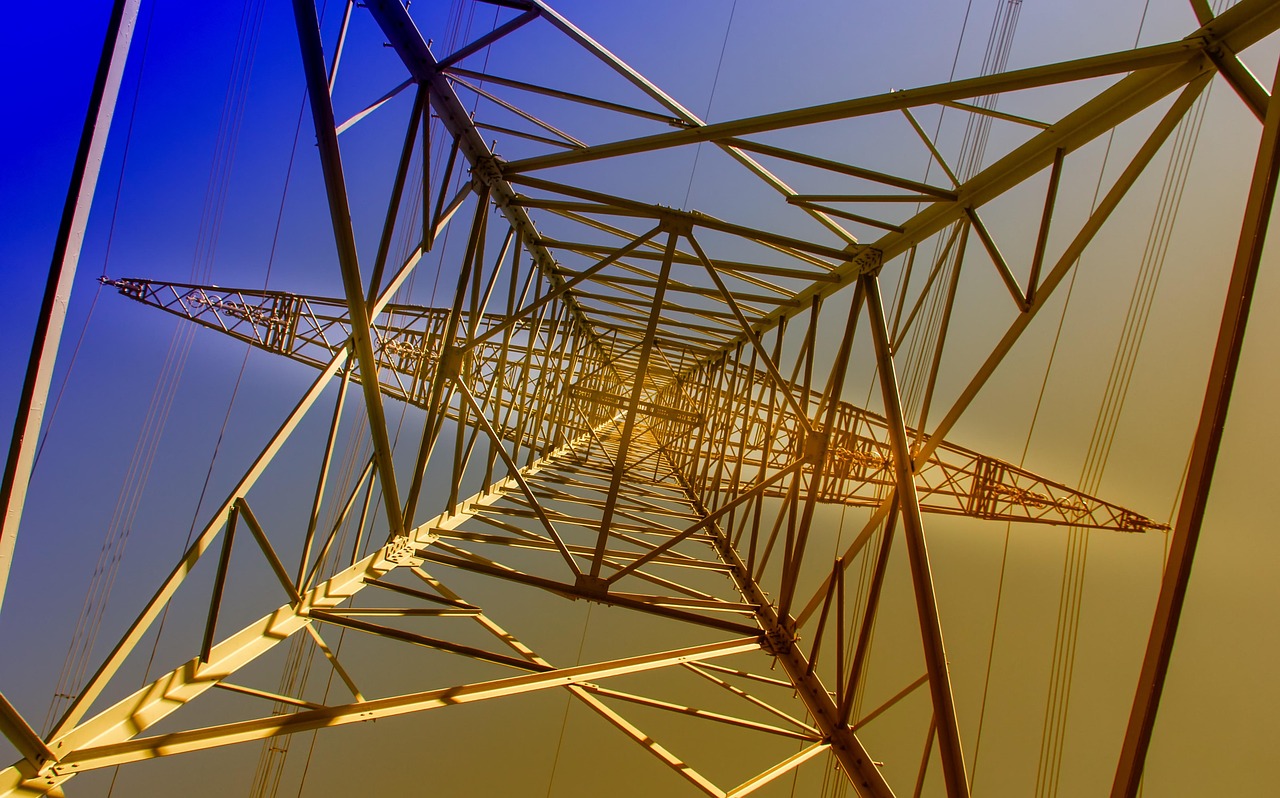
A sweeping bipartisan proposal making its way through the U.S. Senate could dramatically reshape how energy infrastructure gets approved across the country, with significant implications for renewable developers, transmission builders, and the data centers gobbling up electricity nationwide. The legislation, formally called the Bipartisan American Affordability and Jobs Act — or BAAJA — runs 417 pages and still faces a vote after the midterm elections, so its fate remains far from settled.
The bill was shepherded forward with a key assist from Rhode Island Democrat Sheldon Whitehouse. What sets BAAJA apart is not just its size but the fact that lawmakers from both parties helped shape it — a rare occurrence in today’s hyper-partisan climate. At its core, the proposal would streamline approvals for nearly every kind of energy project: long-distance transmission lines, wind and solar farms, and natural gas pipelines alike. That broad, technology-neutral scope is deliberate, giving individual senators something to like while inevitably creating items others will fight.
The economic case being made for the bill is substantial. A new analysis from the Center for Climate and Energy Solutions estimates that in four regions representing roughly half of U.S. electricity demand, permitting reform could cut grid costs by 1.1 billion off residential power bills, and reduce shortage-related costs by 76 percent. Nationally, the group projects cumulative grid savings near 19 billion between 2026 and 2040, alongside a 9 percent drop in power-sector carbon emissions. “We’re talking gigaton-scale emissions reductions over time,” said CCEA head Nathaniel Keohane. Grid Strategies president Rob Gramlich argued the package “enables a clean energy future” that would otherwise be “just going to be very hard to get,” and predicted it would give data center developers far more options for powering their facilities renewably.
Not everyone is celebrating. Environmental advocates, including author Bill McKibben, warn the bill narrows the scope of federal environmental reviews under NEPA, exempting certain federal loans, grant programs, and infrastructure repairs from review, and speeds up approvals for geothermal testing, FERC transmission permits, and gas pipelines within existing rights-of-way. It would also codify changes to Clean Water Act Section 401, giving states and Tribes just one year to certify or waive water quality decisions, while barring them from rejecting projects on air pollution or climate grounds and raising the evidentiary bar for denials. Colin Rees of Oil Change International called it a “dirty deal” that would let fossil fuel companies “steamroll community opposition.” McKibben’s sharpest objection concerns executive power: he contends the bill hands the president unprecedented authority to lock in permits that Congress, the courts, or a future administration could not easily reverse.
For the EV and clean energy sectors watching closely, the stakes are straightforward. Faster grid interconnection and cheaper transmission are prerequisites for the charging infrastructure and renewable generation that electric mobility depends on. Whether BAAJA delivers that — or primarily accelerates fossil fuel development — hinges on amendments and votes still to come. The bill is not law, and the coming election will determine whether it ever becomes one.
What do you think?