
Scuter Showcases Self-Driving Three-Wheeled Moped in Milan
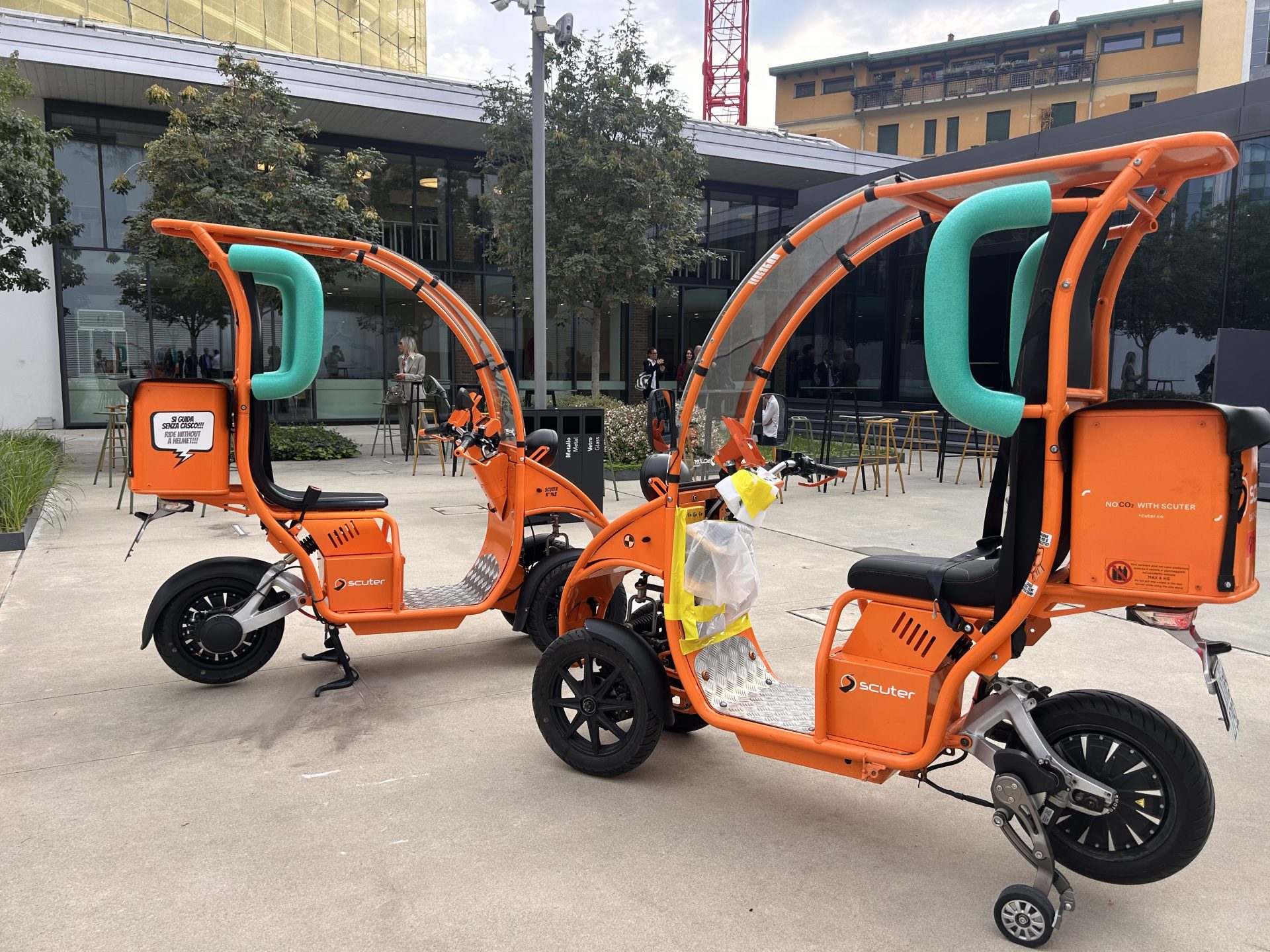
Italian startup Scuter has publicly demonstrated what it calls a “robo-moped” — an autonomous three-wheeled moped — for the first time in Milan. The event, attended by Zag Daily, marked a significant step toward the company’s vision of shared vehicles that can operate without a rider between trips.
The concept behind the autonomous moped is straightforward: in a shared mobility fleet, vehicles often sit idle or require manual relocation. If a moped can drive itself from one rider’s drop-off point to the next customer, operators can cut down on rebalancing costs and improve availability. Scuter’s three-wheeled design, which offers greater stability than a traditional two-wheeler, could make it well-suited for autonomous operation in urban environments.
While the demonstration in Milan was a milestone, Scuter has not disclosed a timeline for commercial deployment or the specific technology stack powering the vehicle. The company’s broader goal appears to be integrating autonomous capabilities into shared micromobility, a sector where operational efficiency is a constant challenge. If successful, such vehicles could reduce the need for manual redistribution and lower the overall cost of running a shared fleet.
The unveiling comes as cities worldwide grapple with how to manage shared scooters and mopeds, balancing convenience with sidewalk clutter and safety. Autonomous repositioning could address some of these concerns by ensuring vehicles are where they’re needed without human intervention. However, regulatory hurdles for self-driving vehicles on public roads remain significant, especially for smaller vehicles that operate alongside pedestrians and cyclists.
Scuter’s robo-moped is still in the demonstration phase, and the company has not announced partnerships or pilot programs beyond the Milan event. As autonomous technology matures, the micromobility industry will be watching closely to see whether self-driving mopeds can become a viable part of urban transportation networks.
What do you think?