
Cargo Bike Industry Gathers in Utrecht to Push for Mainstream Adoption
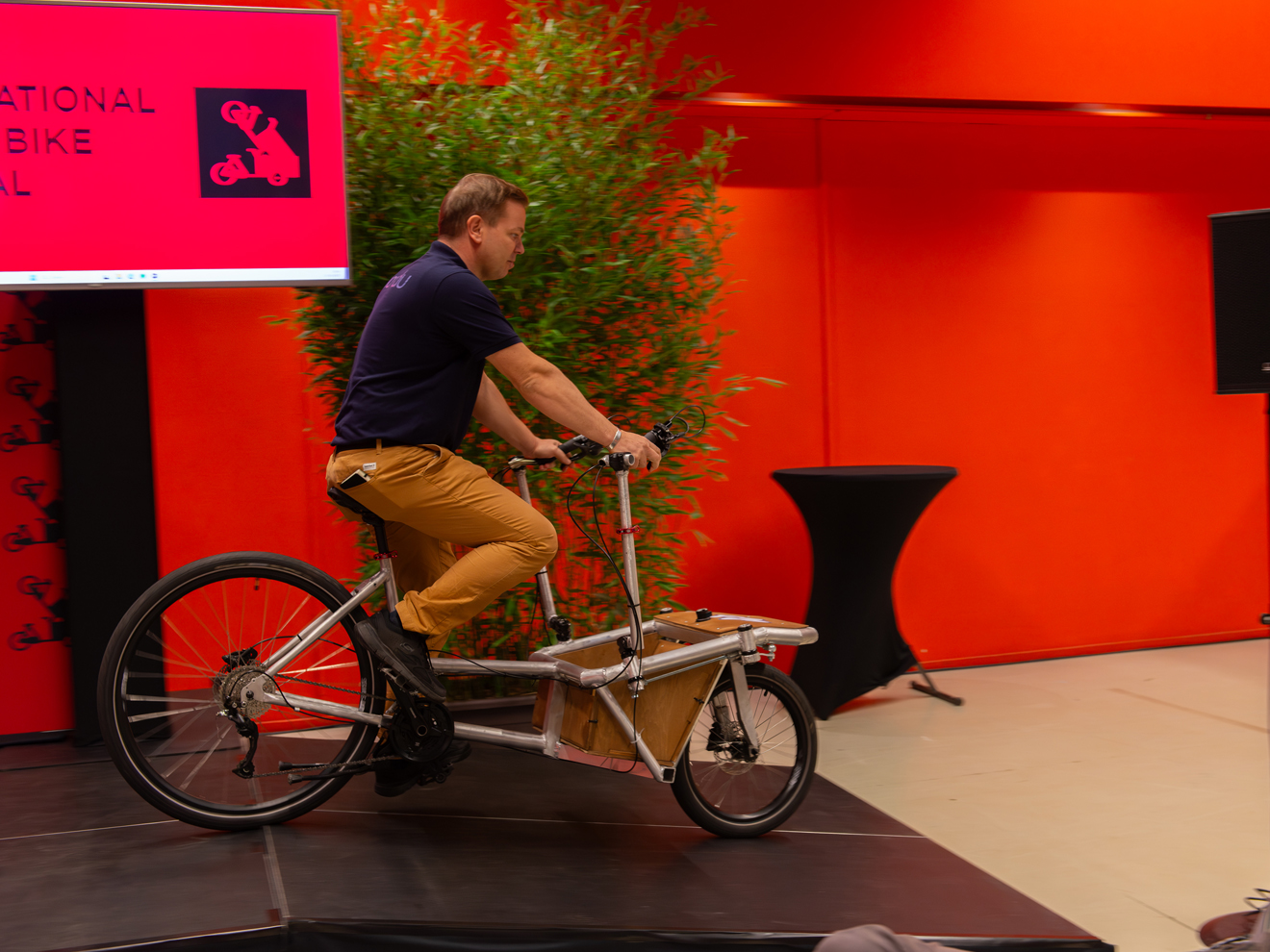
Cargo bike manufacturers, suppliers and advocates from around the world are set to converge on Utrecht next week for an industry gathering aimed at moving cargo bikes from a niche solution to a mainstream transportation option. The meeting reflects a growing sense among stakeholders that despite years of momentum, the sector has not yet crossed the threshold into everyday ubiquity — a sentiment summed up by the candid admission that “we’re not there yet.”
Utrecht’s selection as host is no accident. The Dutch city has become a global reference point for cycling infrastructure, with cargo bikes already woven into daily life for family transport, deliveries and small-scale logistics. For an industry still working to convince policymakers, fleet operators and ordinary households in other markets, that model offers both a proof of concept and a roadmap.
The agenda is expected to center on the practical barriers that continue to hold the category back: high purchase prices, limited financing options, patchy service networks, and regulatory frameworks that in many cities were designed with cars, not cargo bikes, in mind. Industry players have long argued that overcoming these hurdles requires coordination — between manufacturers, city governments, retailers and logistics companies — rather than isolated product launches.
The stakes extend beyond lifestyle purchases. Cargo bikes are increasingly pitched as a serious tool for last-mile delivery, where they can replace vans in dense urban areas, cutting both emissions and congestion. That commercial angle has attracted interest from logistics firms and investors, though adoption remains uneven across regions.
Whether the Utrecht gathering produces concrete commitments or simply a clearer shared agenda, it signals that the cargo bike sector sees itself at a pivotal moment. The technology and demand exist; the open question is whether the industry can build the infrastructure, pricing and policy support needed to make cargo bikes a default choice rather than an alternative one.
What do you think?