
Lime's CEO on Turning a Scooter Startup into a Public Company Built to Last
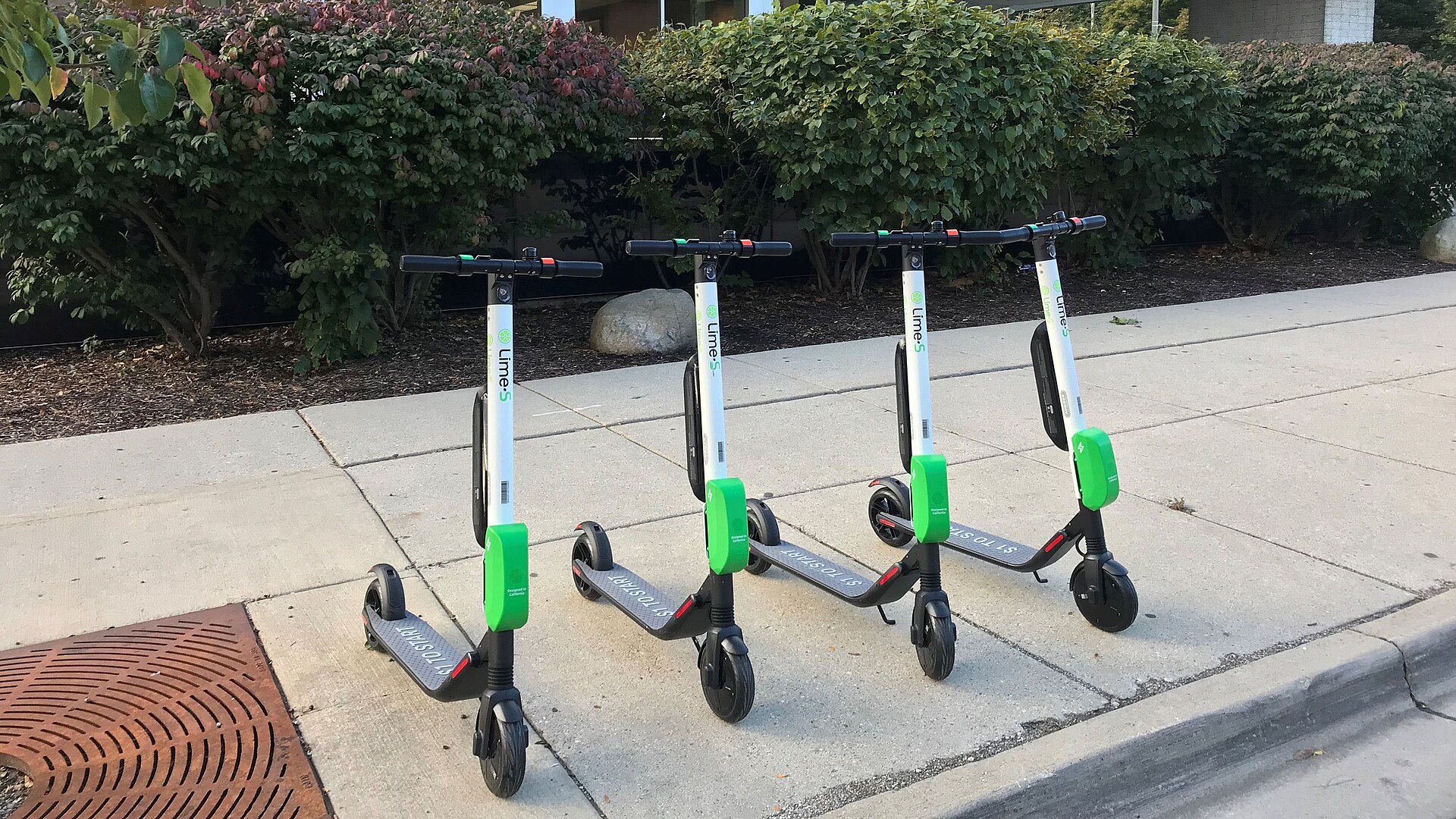
Lime has traveled a long road from its days as a cash-burning scooter upstart to becoming a publicly traded, sustainability-minded business. In a recent interview, CEO Wayne Ting explained how the company overhauled its operations to reach profitability and eventually go public, marking a rare milestone for the micromobility sector. Ting pointed to a disciplined approach — focusing on unit economics, extending vehicle lifespan, and integrating software that predicts demand — as the pillars that turned the business around. The shift reflects a broader reckoning in shared mobility, where investors now prioritize sustainable growth over breakneck expansion.
At the heart of Lime’s turnaround is a focus on operational efficiency and environmental impact. The company has invested in swappable batteries and more durable scooter designs, reducing the frequency of replacements and lowering its carbon footprint per ride. Ting has argued that shared electric scooters, when managed well, can replace short car trips and cut urban emissions. That message has resonated with city governments and climate-conscious riders alike. Still, Lime faces stiff competition from other shared-mobility operators and must navigate a patchwork of local regulations that can make or break its business in any given market.
Going public adds a new layer of scrutiny. Public markets demand consistent financial performance, and Lime’s leadership has positioned the company as one that can balance growth with environmental responsibility. Ting has been candid about the challenges: scaling hardware, managing battery supply chains, and keeping riders safe are ongoing tasks. The company’s public listing is seen by some analysts as a validation of the micromobility model, while others remain cautious about profitability in an industry known for high capital expenditure and thin margins.
For riders, the changes may be subtle — better-maintained scooters, more reliable app experiences — but for Lime they represent a fundamental shift in how the business is run. The CEO’s story illustrates a maturation arc playing out across micromobility: from hype-driven growth to operational rigor. Whether Lime can sustain its momentum will depend on continued innovation and the willingness of cities to embrace scooters as a permanent part of the transportation mix.
What do you think?