
Rivian's Q3 Deliveries Surge 45% as R2 Launch Gains Traction
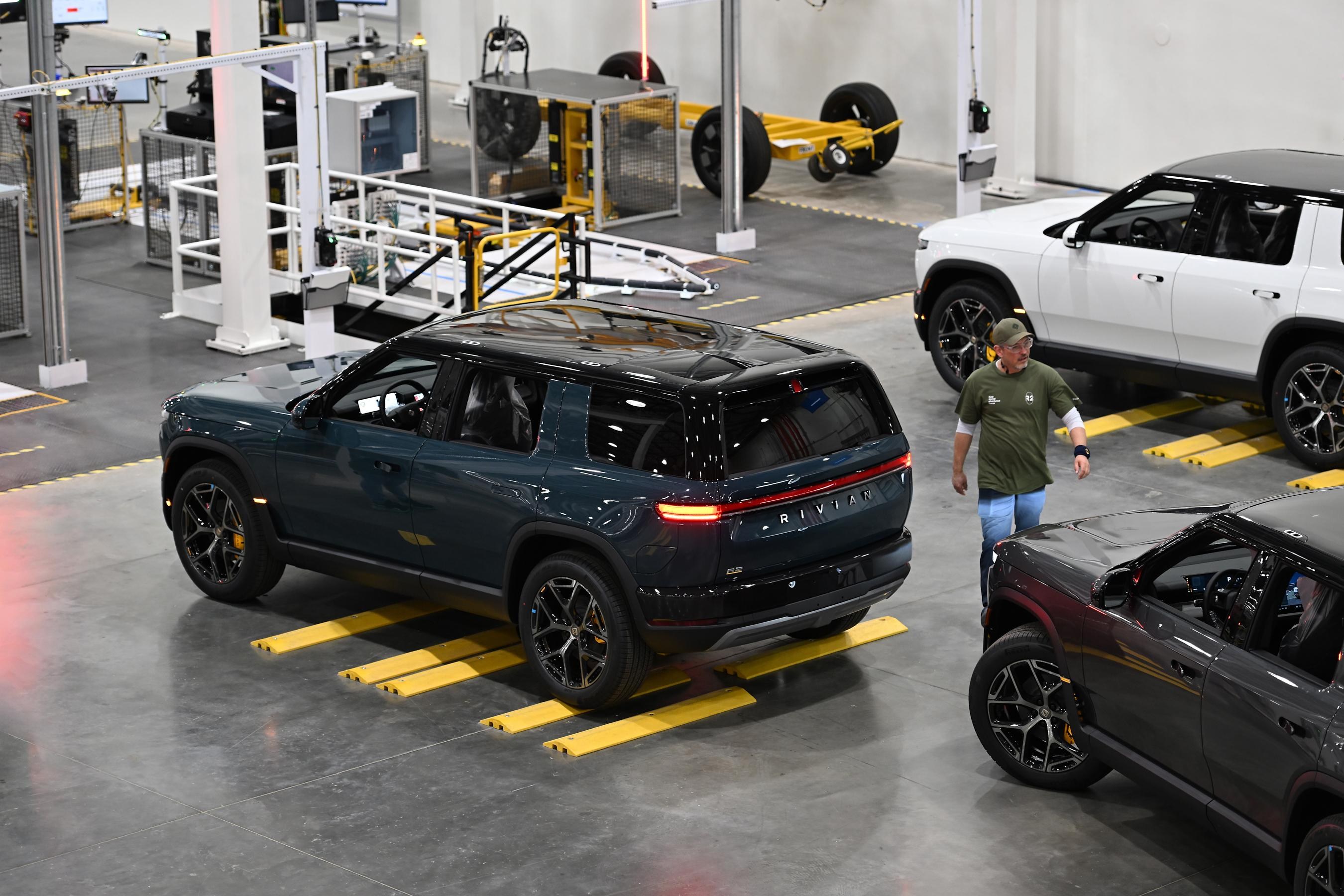
Rivian closed the third quarter with a clear signal that its long-awaited R2 platform is starting to move the needle. The California-based electric automaker said it produced 19,751 vehicles between July and September and handed 19,248 of them to customers, marking production growth of 85 percent and delivery growth of 45 percent compared with the same period a year earlier. Because Rivian sells directly to buyers rather than through franchised dealers, deliveries are the closest available stand-in for retail sales.
The company also held firm on its outlook for the full year, repeating that it expects to deliver between 65,000 and 70,000 vehicles in 2026. That confidence stands out against a wider EV market that has cooled sharply. After federal lawmakers scrapped the $7,500 consumer tax credit for electric vehicles, industry-wide EV sales fell roughly 24 percent year over year as of September, according to Cox Automotive. Tesla, the segment’s dominant player, reported a 2.1 percent decline in quarterly sales.
Rivian has framed the R2 as the hinge on which its future as an independent manufacturer turns. Management has told investors it aims to move more than 25,000 R2s in the model’s first year of production, a pace that would rank among the quickest rollouts of a new electric vehicle in US history. CEO RJ Scaringe has described the program bluntly as the step that takes the business from subscale to scale.
Rivian does not publish a model-by-model breakdown, but the math offers a rough guide. With roughly 13,000 vehicles delivered in last year’s third quarter and the company guiding for flat full-year volumes from its R1 truck, R1S SUV and commercial van lines, the incremental volume points to somewhere near 6,000 R2 units reaching customers during the quarter.
The quarterly report arrives alongside other positive developments for the brand. Rivian recently said the R2 achieved its goal of cutting lifetime emissions by half, hitting that target four years earlier than planned. For a company that has spent years burning capital to reach volume production, the combination of rising output and an on-schedule product ramp gives it firmer ground as it competes in a market where incentives have largely disappeared.
What do you think?