
Rivian Opens Its Cars to Third-Party AI Agents, Starting With Anthropic
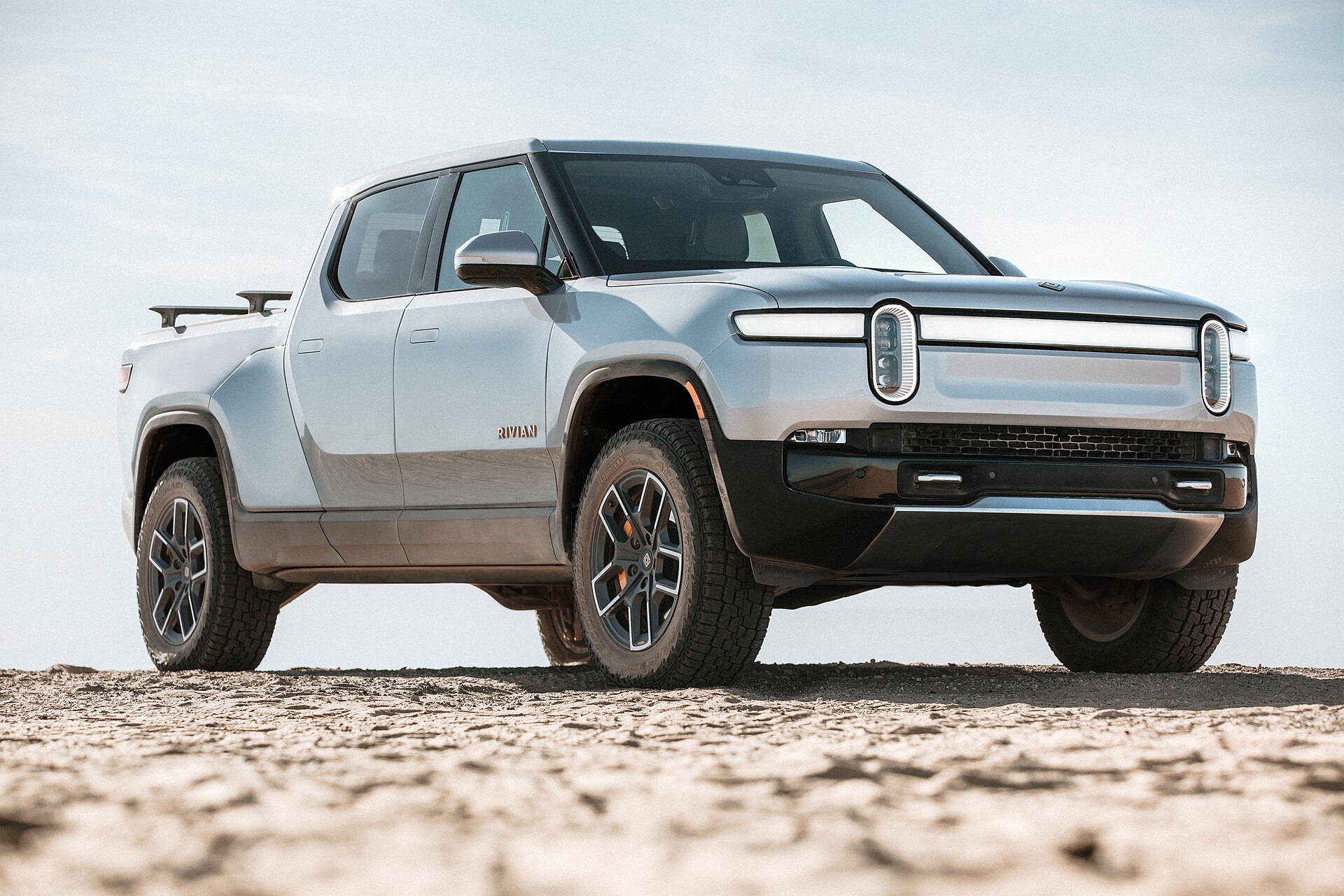
Rivian is preparing to let outside artificial intelligence systems run inside its vehicles, a move that would turn its electric trucks and SUVs into rolling platforms for third-party AI. Founder and CEO RJ Scaringe outlined the plan onstage at TechCrunch Disrupt, pointing to partnerships with frontier labs such as Anthropic as the next phase of the company’s in-car software strategy.
Scaringe did not commit to a timeline, and Rivian declined to elaborate further, directing questions instead toward an “AI & Autonomy Day” the company has scheduled for December. Still, the roadmap is easy to picture. Because Rivian developed its infotainment stack in-house rather than ceding the dashboard to Apple CarPlay or Android Auto, it retains the flexibility to plug external AI products into its own navigation and app ecosystem.
The technical foundation is already in place. Rivian has built an internal agentic framework that interprets what a driver is asking for and routes the request to the appropriate corner of the vehicle’s software. In practice, that covers everyday commands — lowering cabin temperature, firing up the seat heaters, or delivering a news digest. Scaringe compared the routing logic to a traffic light: simple requests can be handled by a model running locally on the vehicle, while heavier queries get handed off to the cloud, with different models used depending on the task.
Since May, the in-house assistant has been able to reach outside services such as Google Calendar. The harder challenge, Scaringe admitted, is plumbing — the unglamorous coordination work with AI labs that must happen before third-party agents function reliably in a car. Safety remains a hard boundary: Rivian will not hand vehicle-level controls to an AI agent. As Scaringe put it, no agent should be deciding when to brake or steer.
Instead, the company envisions something closer to an extension of how people already use agentic apps on their phones. A driver might cool the seats with one voice command and, in the same breath, ask the assistant to help plan Friday’s dinner based on a conversation held earlier on another device — pulling personal context into the cabin. Rivian would not be the first American automaker to bring such features to market; Tesla added support for talking to an AI chatbot and assistant earlier this year. What sets Rivian’s approach apart is its insistence on owning the underlying software layer while inviting outside AI providers in.
What do you think?