
Rivian Keeps Point-to-Point Driving Behind Closed Doors — NDA and Invite Only
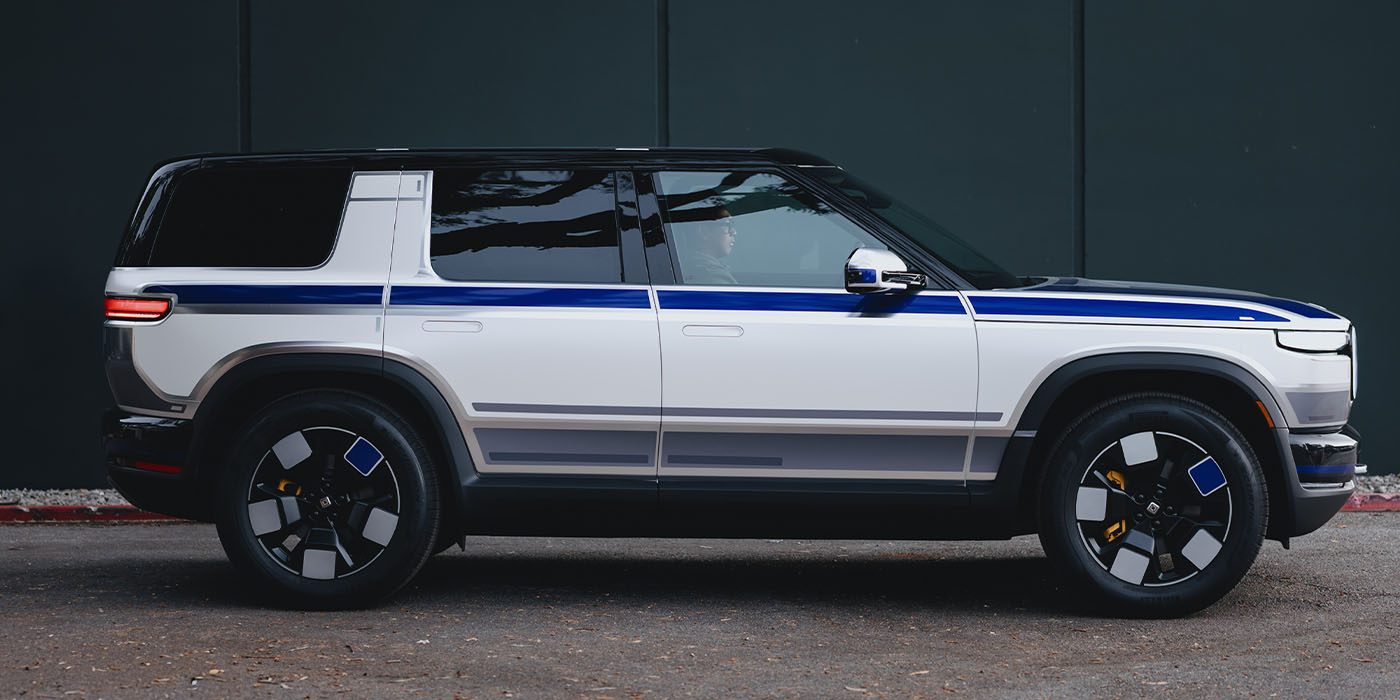
Rivian is taking its most advanced driver-assistance feature off the public roadmap for now. Rather than pushing point-to-point driving to every owner at once, the company will hand it first to a hand-picked group of paying subscribers enrolled in what it calls an Autonomy Early Access Program — provided those drivers agree to stay silent about what they experience.
The arrangement, detailed on a newly published Rivian support page, marks a cautious rollout for a feature the company has framed as the bridge between today’s hands-free highway driving and a future where drivers can take their eyes off the road entirely.
- Who qualifies: Access is reserved for R1 Gen 2 and R2 owners with an active, paid Autonomy+ subscription — free trials don’t count. Rivian also weighs how frequently applicants actually use its Autonomy features, their recent safety history, and a regional/vehicle-model balance, starting in selected states.
- Who is excluded: Owners of the original R1 Gen 1 vehicles are shut out, and Canadian drivers won’t be included in the initial phase.
- Strings attached: Participants must exercise the preview features weekly, log problems when it’s safe, complete monthly surveys, sit for interviews or focus groups, and switch on data collection covering location and camera sharing. They also sign a participation agreement containing an NDA, and must inform any secondary drivers that the vehicle is enrolled.
- What they get: Early over-the-air access to new Autonomy capabilities and a newsletter. No compensation.
- Timeline: The program reaches this limited group in late 2026, with a wider release not expected until 2027. Rivian reviews eligibility every 30 days and can pull access at any time — cancelling the subscription, selling the car, or failing a check ends participation.
Why It Matters
The gatekeeping carries a cost for Rivian’s own customers. Autonomy+ runs $2,500 one-time or $49.99 per month, and Rivian began charging for it in April after an introductory free window. That means testers are effectively paying subscribers performing unpaid product research — a structure that echoes Tesla’s early Full Self-Driving Beta, which also required NDAs and used a safety score to ration seats before eventually opening the program to nearly everyone who bought the package.
The scheduling tells its own story. Universal Hands-Free, delivered via software update 2025.46 last December, allows wheel-free driving on roughly 3.5 million miles of painted-line roads across the US and Canada, but it won’t respond to traffic lights or stop signs; point-to-point is meant to cover an entire journey. On July’s earnings call, CEO RJ Scaringe called the first iteration “Level 2++” — hands off, eyes on — with eyes-off driving arriving in 2027 and Level 4 in 2028. Back in January 2025, he had targeted an eyes-free system for 2026. With only about eleven weeks left in the year, a small, state-limited, invitation-only debut in late 2026 looks more like a soft launch than the broad release most Autonomy+ subscribers are waiting for. Rivian is also aiming to close out the year with third-generation autonomy hardware built around its in-house RAP1 chip and lidar — though this early access phase runs on vehicles already on the road.
Source: Electrek
What do you think?