
Renault Trucks' Normandy Plant Turns 70, Blending Diesel and Electric Truck Lines
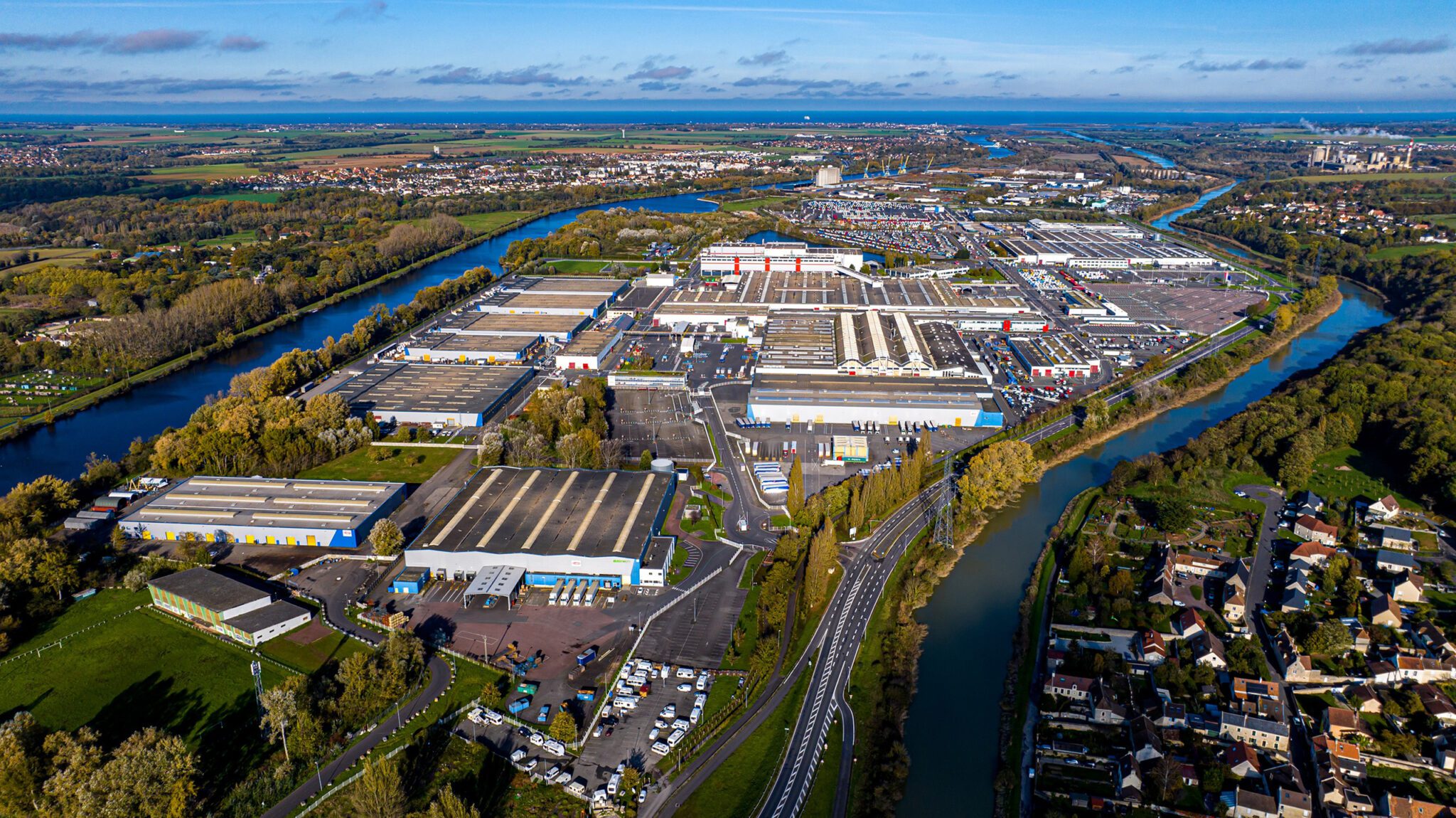
Renault Trucks is celebrating seven decades of vehicle manufacturing at its Blainville-sur-Orne facility in Normandy, a site that now straddles two eras of trucking by assembling both diesel and battery-electric medium-duty trucks under one roof. The factory produces cabs for the truckmaker’s entire range and, according to Renault Trucks, became Europe’s first plant to begin series production of electric trucks back in 2020. Since then it has rolled out more than 3,000 E-Tech D and E-Tech D Wide models.
That electric output spans the 12- to 16-tonne E-Tech D and the 19- and 26-tonne E-Tech D Wide, vehicles aimed at urban delivery, refuse collection, fire and emergency services, and construction work. Keeping diesel and electric assembly on the same lines is notable at a moment when electric truck demand is still maturing, and the plant’s dual approach reflects how established manufacturers are hedging their bets rather than betting everything on a single powertrain.
The site’s story reaches back well before trucks. It started life as a shipyard, Chantiers Navals Français, which built cargo and naval vessels from 1917 until its closure in 1954. Renault subsidiary Saviem established a vehicle plant there two years later, with ownership later shifting to Renault Véhicules Industriels in 1978 and ultimately to the Volvo Group in 2001. Over the decades, military trucks, heavy-duty ranges and vans have all come off its lines; the Saviem SG light commercial range alone accounted for 292,500 gasoline and diesel units between 1965 and 1988. Euro VI emissions rules triggered a full range renewal in 2013 that introduced the D and D Wide models still built there today.
Today the Calvados factory employs 2,400 people. Beyond sheer volume, Renault Trucks has invested in flexibility: a 2,500 m² customer adaptation centre opened on site in 2021, allowing specialist teams to fit bespoke equipment or carry out larger modifications before trucks leave the factory gates.
The anniversary lands as commercial vehicle makers navigate the slow but steady shift toward electrification. By producing electric and diesel trucks side by side, Blainville-sur-Orne illustrates how legacy manufacturing capacity can be repurposed rather than replaced, even as the pace of electric adoption in the heavy and medium-duty segments continues to evolve.
What do you think?