
Forvia Hella Wins Series Contracts for Hybrid Battery Electronics
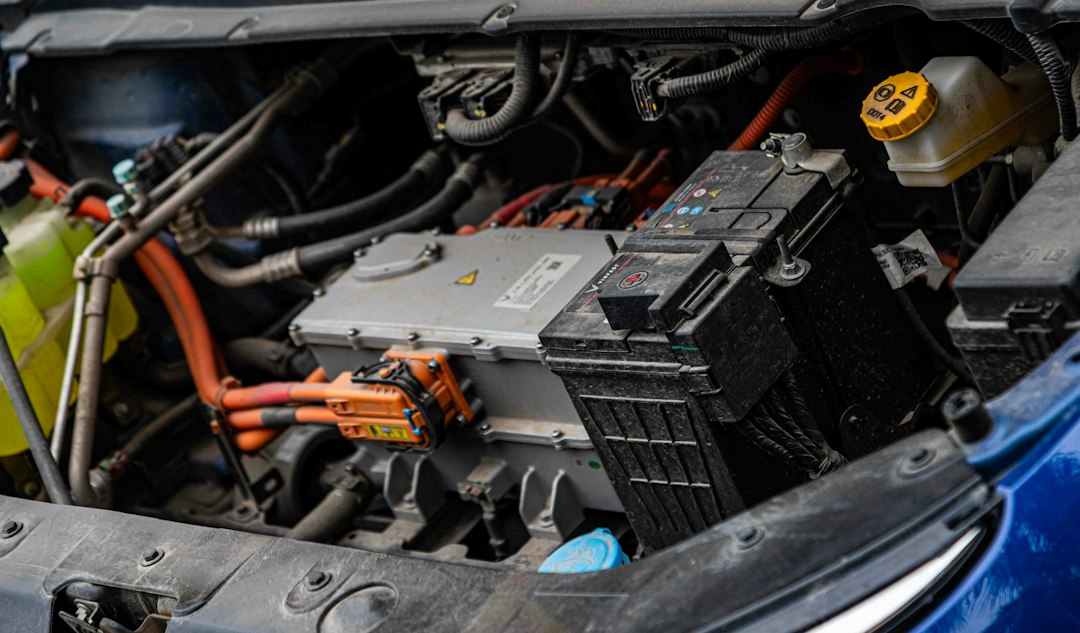
Forvia Hella has landed a set of series production contracts for battery electronics aimed at hybrid vehicles, signaling that automakers are increasingly willing to pay for tighter integration rather than buying discrete components. The orders, announced by the supplier, cover battery management technology designed specifically for hybrid applications.
The strategic logic behind the wins is cost. Hybridization adds electronics, wiring and packaging complexity to a vehicle, and every extra box or cable run eats into the margin on a model that still has to compete on price with conventional combustion cars. By consolidating battery management functions into fewer, more integrated units, suppliers like Forvia Hella can help OEMs cut material counts, simplify assembly and reduce weight. The company frames the deals as evidence that this integration-first approach is now finding its way into volume production programs, not just concept studies.
The contracts also underscore how the hybrid segment has become a serious battleground for Tier 1 suppliers. While much of the industry’s public attention focuses on fully electric platforms, hybrids and plug-in hybrids remain a significant share of production for many manufacturers, particularly as they phase in electrified drivetrains across existing model lines. That keeps demand steady for battery electronics that can be dropped into architectures that were not designed from the ground up as EVs.
For Forvia Hella, the order wins matter because series awards tend to lock in revenue over several model years, giving the supplier visibility well beyond the initial launch. They also reinforce the company’s position in a competitive field where battery management, power distribution and thermal control are increasingly bundled together. Automakers, for their part, are under pressure to deliver affordable electrified vehicles, which makes any reduction in component count and wiring a tangible saving rather than an engineering exercise.
Details such as contract value, customer names and production timelines were not disclosed. What the awards do indicate is that integrated hybrid battery electronics are moving from a niche engineering preference toward a mainstream procurement choice.
Photo: Bernd 📷 Dittrich on Unsplash (Unsplash License)
What do you think?