
REGENT Opens Rhode Island Plant to Build Viceroy and Squire Seagliders
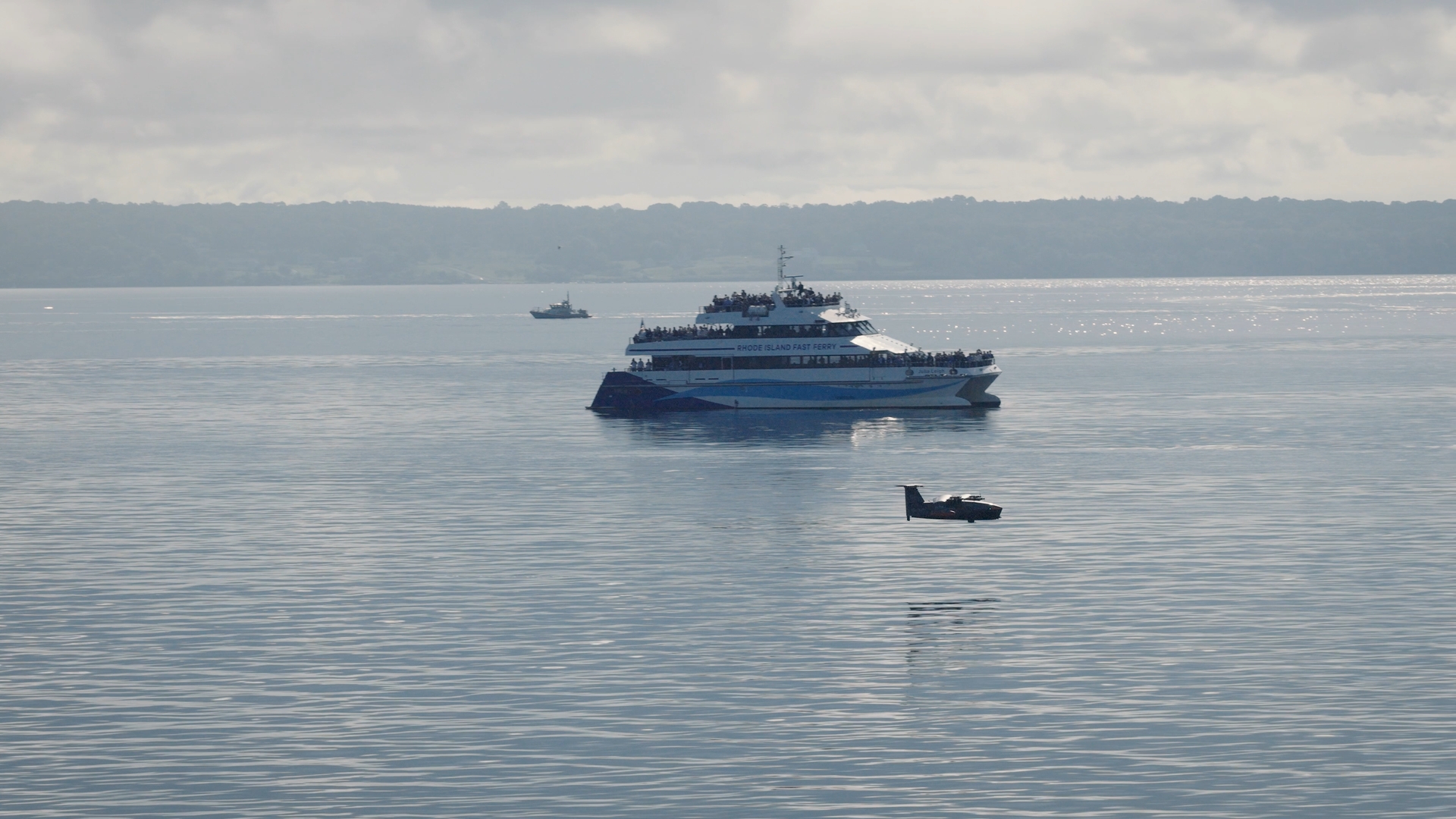
REGENT Craft has cut the ribbon on a 255,000-square-foot production site in North Kingstown, Rhode Island, setting the stage for its Viceroy passenger Seaglider and the autonomous Squire platform to move toward series manufacturing. The Quonset Business Park facility was unveiled on September 30, drawing more than 500 guests — customers, backers, defense officials and industry partners — who watched the Squire drone make its first public flight and saw the full-scale Viceroy prototype take to the air for the fifth time.
REGENT’s vehicles are wing-in-ground-effect craft that ride on hydrofoils above the water, shifting between floating, foiling and flying phases. The Viceroy is aimed at commercial passenger and cargo service, while the Squire is being shaped for autonomous missions. According to the company, the first customer-ready Viceroy vessels could arrive as soon as late 2027, with the plant designed to eventually roll out up to 75 Viceroys and 300 Squire drones each year once output is fully scaled.
The site brings together structural assembly, wing and hydrofoil integration, battery and systems installation, plus on-water testing and acceptance work, and its waterfront position lets REGENT keep running sea trials straight from the base. Alongside the opening, the company pointed to a deepening defense footprint: a further 19.25 million. REGENT also flagged rising commercial interest in the Viceroy and growing attention on the Squire.
Hiring is set to follow the hardware. REGENT expects to grow its Rhode Island manufacturing workforce by as many as 750 roles over the coming decade, with the facility built to allow step-by-step production increases while keeping pace with safety and certification demands as the Seaglider program shifts from prototype work toward customer deliveries.
What do you think?