
ProLogium Sets Its Sights Beyond EVs, Targeting AI Hardware and Aviation
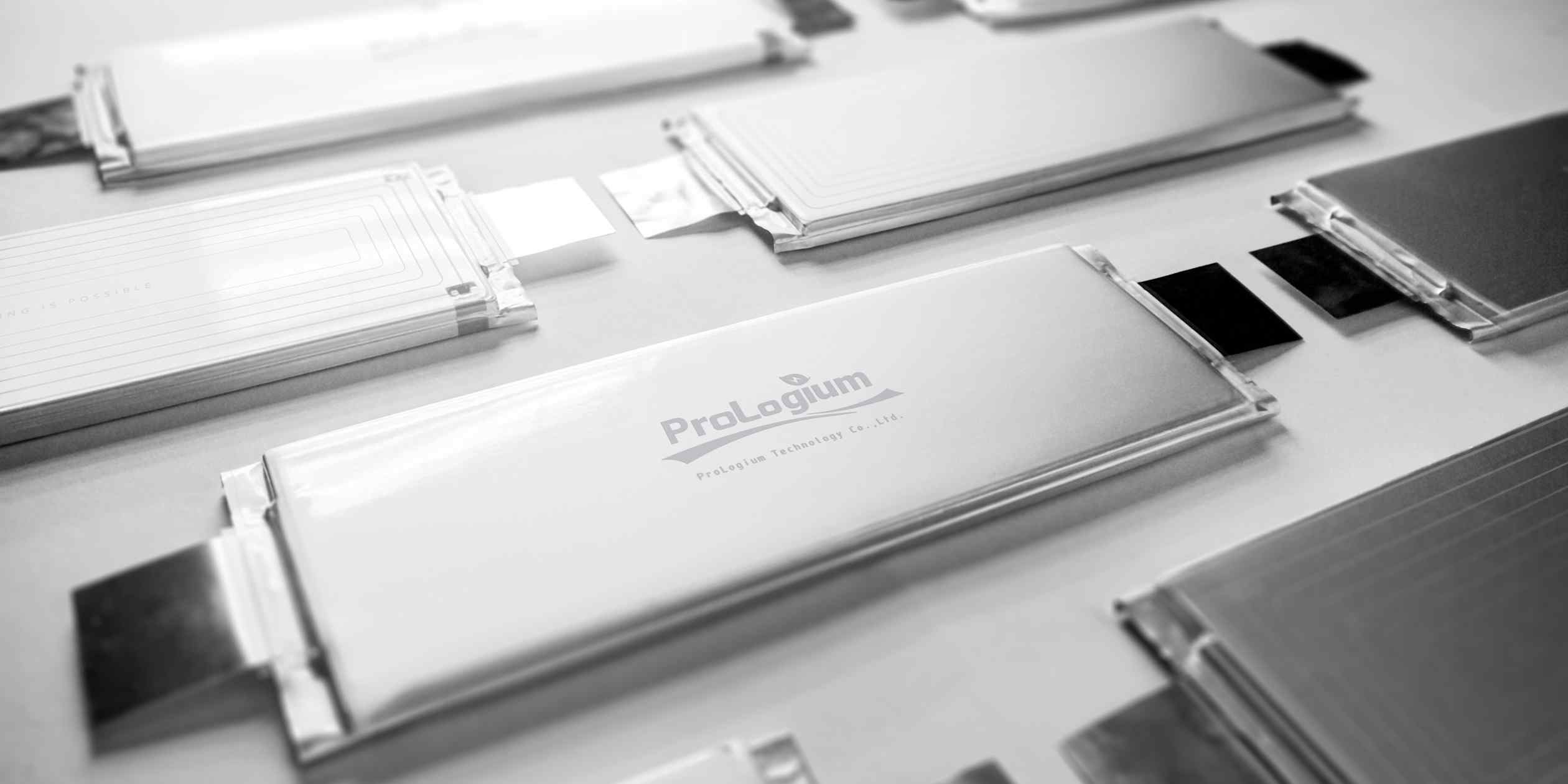
Taiwanese solid-state battery developer ProLogium is broadening its commercial horizons, signaling that its next wave of growth may come from sectors far removed from the passenger car market. According to reporting by Nikkei Asia, the company is now pursuing opportunities in AI infrastructure and aerospace, two fields where the demand profile for advanced batteries differs sharply from that of electric vehicles.
The move reflects a broader reality facing solid-state battery makers: while EVs remain the most visible long-term destination for the technology, the timeline to mass automotive adoption has proven longer and more capital-intensive than many in the industry initially expected. AI data centers and aircraft present alternative venues where the performance characteristics of solid-state cells — including energy density, thermal stability, and safety — may command a premium sooner.
ProLogium has been among the more prominent names in the solid-state space, working to scale its manufacturing capabilities and secure partnerships with automakers. By branching into AI and aviation, the company appears to be diversifying its revenue base rather than abandoning automotive ambitions outright, a strategy that could provide financial breathing room as the EV battery sector continues to mature.
The aerospace angle is particularly notable. Aviation places extreme demands on battery weight and reliability, and solid-state chemistry has long been viewed as a potential enabler for electrified aircraft. Similarly, AI hardware — from data center power systems to specialized computing — is generating fresh demand for compact, high-performance energy storage.
For ProLogium, the pivot underscores a pragmatic calculus: solid-state technology does not have to wait for the EV market alone to reach scale. Whether these adjacent markets can deliver meaningful commercial traction remains the key question, but the company’s expanded focus suggests it sees viable near-term paths outside the automotive lane.
What do you think?