
Peugeot's E-T16 Concept Previews the Electric 208 Hiding Under Its Rally Bodywork
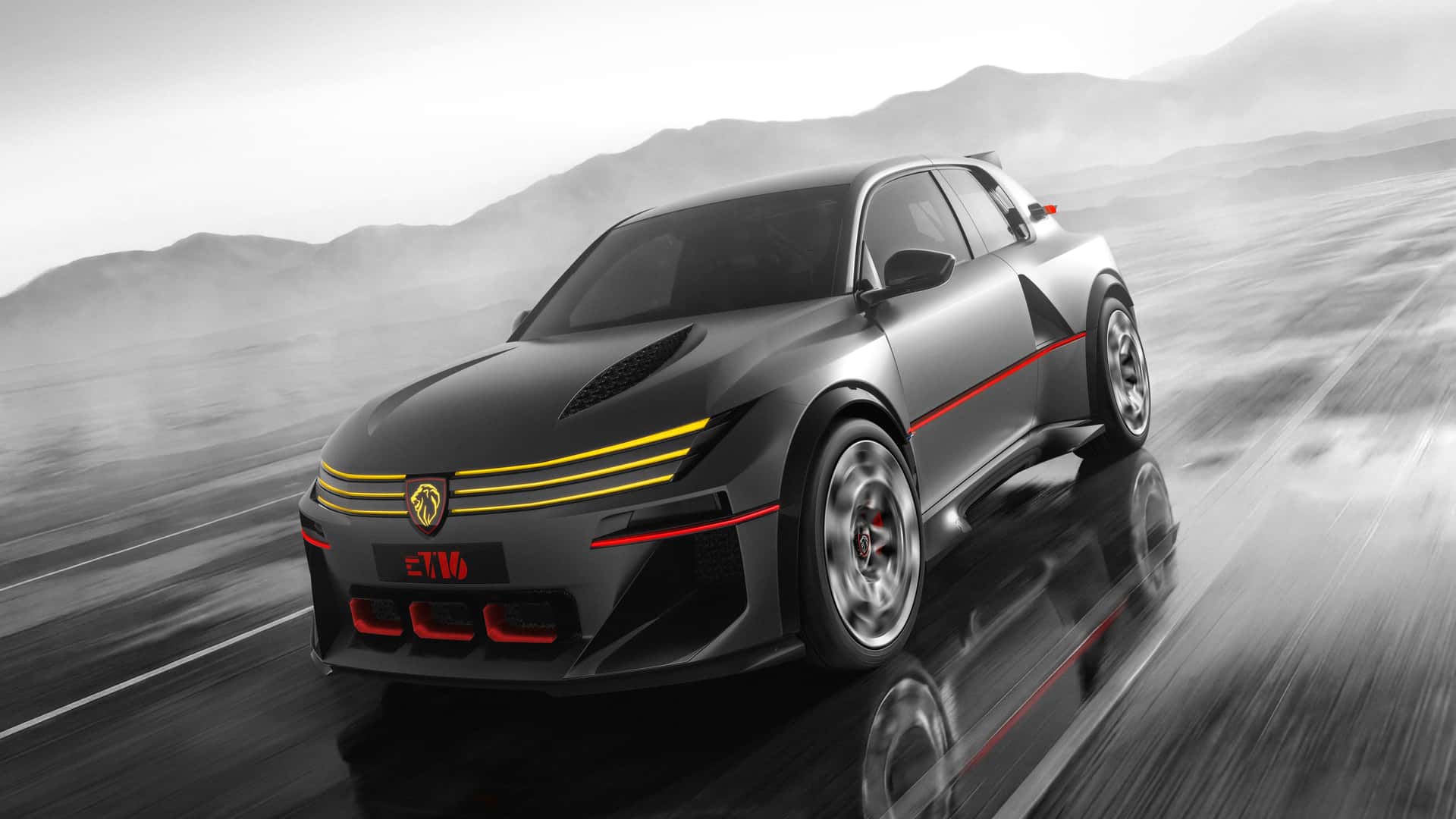
Peugeot has unveiled a striking concept called the E-T16, a machine that wears its Group B heritage on its sleeve while quietly signaling where the brand’s smallest electric hatchback is heading. The French automaker is using this tribute to the legendary 205 Turbo 16 as a design and technology showcase, but underneath the dramatic bodywork lies a clear preview of the next-generation, fully electric 208 due next year.
The original 205 T16 was a mid-engined rally monster loosely derived from an everyday shopping car. Peugeot built just 200 road-going versions to satisfy Group B homologation rules, and the competition car went on to claim both manufacturers’ and drivers’ world titles in 1985 and 1986. The new E-T16 channels that spirit through cues like its gray paint and a red stripe wrapping around the body. The original’s side intake has been repurposed to house the charging port and door-opening mechanism, while electric motors now sit where the combustion engine once lived, hidden beneath a one-piece rear clamshell.
On the performance front, Peugeot claims the concept’s three motors produce over 800 horsepower, enabling a 2.5-second sprint to 100 km/h (62 mph). An 85-kWh battery paired with 800-volt architecture promises 249 miles of WLTP range and a charge from 10 to 80 percent in under 15 minutes. Peugeot also says clever cooling allows three consecutive Nürburgring laps without power restrictions — a bold claim for any EV, let alone a compact hatchback concept.
More relevant to buyers is what the E-T16 signals about the production car. Peugeot’s platform information confirms structural battery integration and support for 800 volts, though the series model is unlikely to adopt the latter since no rival in the segment currently offers it. The clearest production hints are the horizontal “three-claw” lighting signatures at both ends and the cabin’s redesigned i-Cockpit layout. Peugeot acknowledges the concept exaggerates the next E-208’s proportions, so shrinking the wheel arches and removing the enormous rear wing brings you much closer to the real thing.
Inside, a curved 21-inch display sits above the steering controller, though Peugeot has not confirmed that screen size for production. The rectangular “Hypersquare” steering wheel, however, is confirmed for the road car. It relies on steer-by-wire, eliminating the mechanical connection to the front wheels and allowing the steering ratio to vary with speed, which requires far less lock than a conventional column. The concept also places a secondary screen in the center for speed and lap timing — a space the production E-208 will use for an airbag.
When the new 208 EV arrives next year, it will face stiff competition from the Renault 5, Volkswagen ID. Polo and Cupra Raval. Peugeot’s challenge will be making its unusual controls feel genuinely useful rather than simply novel, while delivering strong specs at an affordable price.
What do you think?