
Paris Auto Show 2026: Chinese and European Brands Duel Over Affordable EVs
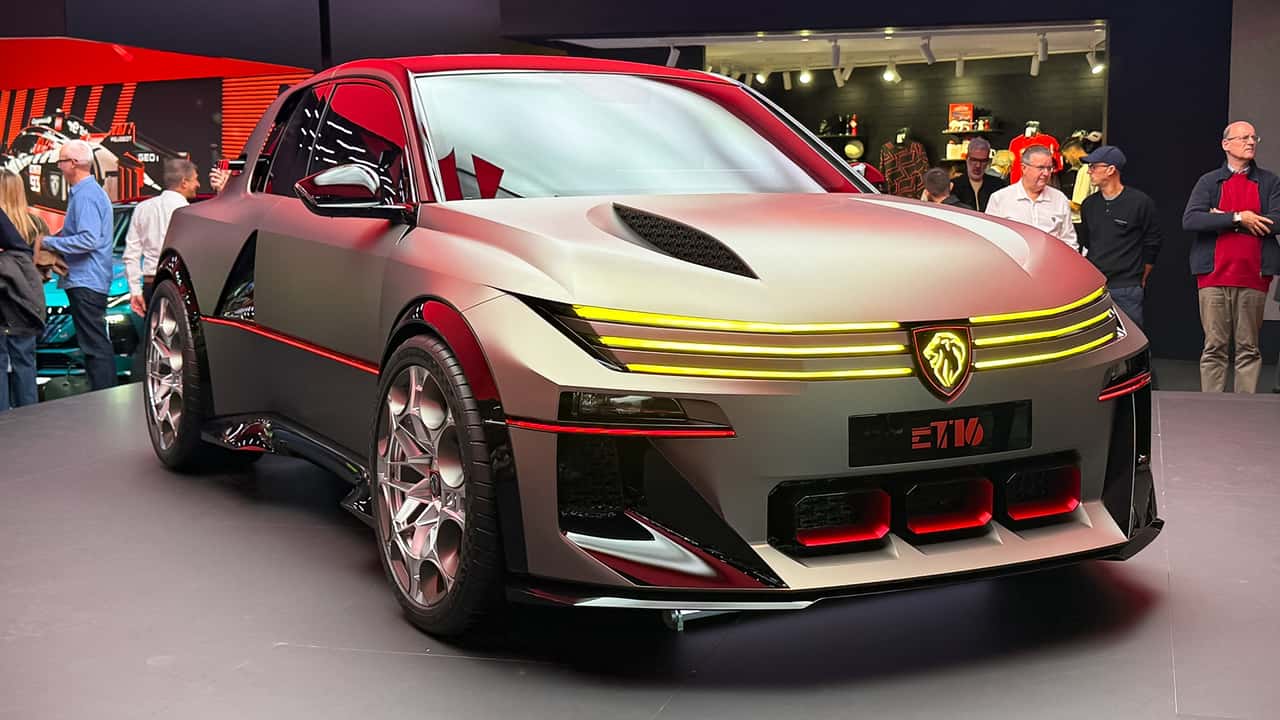
The Paris Auto Show has staged a remarkable turnaround. Four years after industry observers wrote it off as a dying event—when even Mercedes-Benz opted to reveal its EQE SUV at a separate venue rather than on the show floor—the 2026 edition arrived packed with new models, concepts, and a clear sense of purpose. This time, the story isn’t about whether the auto show survives. It’s about who will win the race to build genuinely affordable electric cars.
A European Counteroffensive — Renault Group made the loudest statement, rolling out production models from Dacia alongside concepts from Renault and Alpine. The Renault E-Space concept previews a future electric MPV that nods to the original 1980s Espace, and every concept on the stand was electrified. Chief Growth Officer Fabrice Cambolive framed the strategy around “Voitures à vivre”—cars built to make electrification fit real life. Stellantis Bets on Cheap and Cheerful — The conglomerate brought concepts from across its European brands, most of them electric. The Citroën 2CV concept drew the most attention, channeling the charm of the original at a targeted price of 15,000 euros—roughly $17,000 at current exchange rates. A Crowded Affordable Segment — The 2CV concept joins a growing list of budget-minded EVs either on sale or approaching launch, including the Renault Twingo, Dacia Spring, Kia EV2 and Volkswagen ID. Polo—nameplates that simply didn’t exist four years ago. China’s Full-Scale Presence — An estimated 25 Chinese brands attended with vehicles spanning multiple price brackets. Several, including BYD, Geely and Xpeng, have committed to deeper investment in European manufacturing. Xpeng says its L03 compact crossover has drawn 12,000 orders since launching this summer, and the model will be built in Austria by Magna-Steyr. Partnerships Over Pure Rivalry — Leapmotor debuted the B03 hatchback alongside the B03X small crossover, both arriving only weeks after their Chinese-market counterparts. Stellantis Pro One head Antonio Filosa has said working with Leapmotor lets the two companies complement each other, with the Chinese partner’s speed and expertise helping the group manufacture models quickly. The Dacia Spring, meanwhile, was developed in under two years.
For European buyers, the significance is straightforward: real choice is finally arriving at accessible price points. Analyst Lei Xing summed up the show as a mix of “hope, introspection, and integration,” noting that European brands are trying hard and beginning to solve their problems—even if that means accepting compromises on hybrid and plug-in export volumes while leaning on Chinese partners for help.
From a U.S. Perspective, the contrast is stark. While American show floors and affordable EV lineups continue to shrink, Europe is demonstrating that competition between established manufacturers and Chinese newcomers can push prices down and timelines shorter. That urgency, if it crosses the Atlantic, would benefit drivers and the environment alike.
Source: InsideEVs
Curious how this compares to other EVs? Try our comparison tool →What do you think?