
ToyotaCare Still Covers Two Years on a 2026 RAV4 — What New Owners Need to Know About Dealer Service
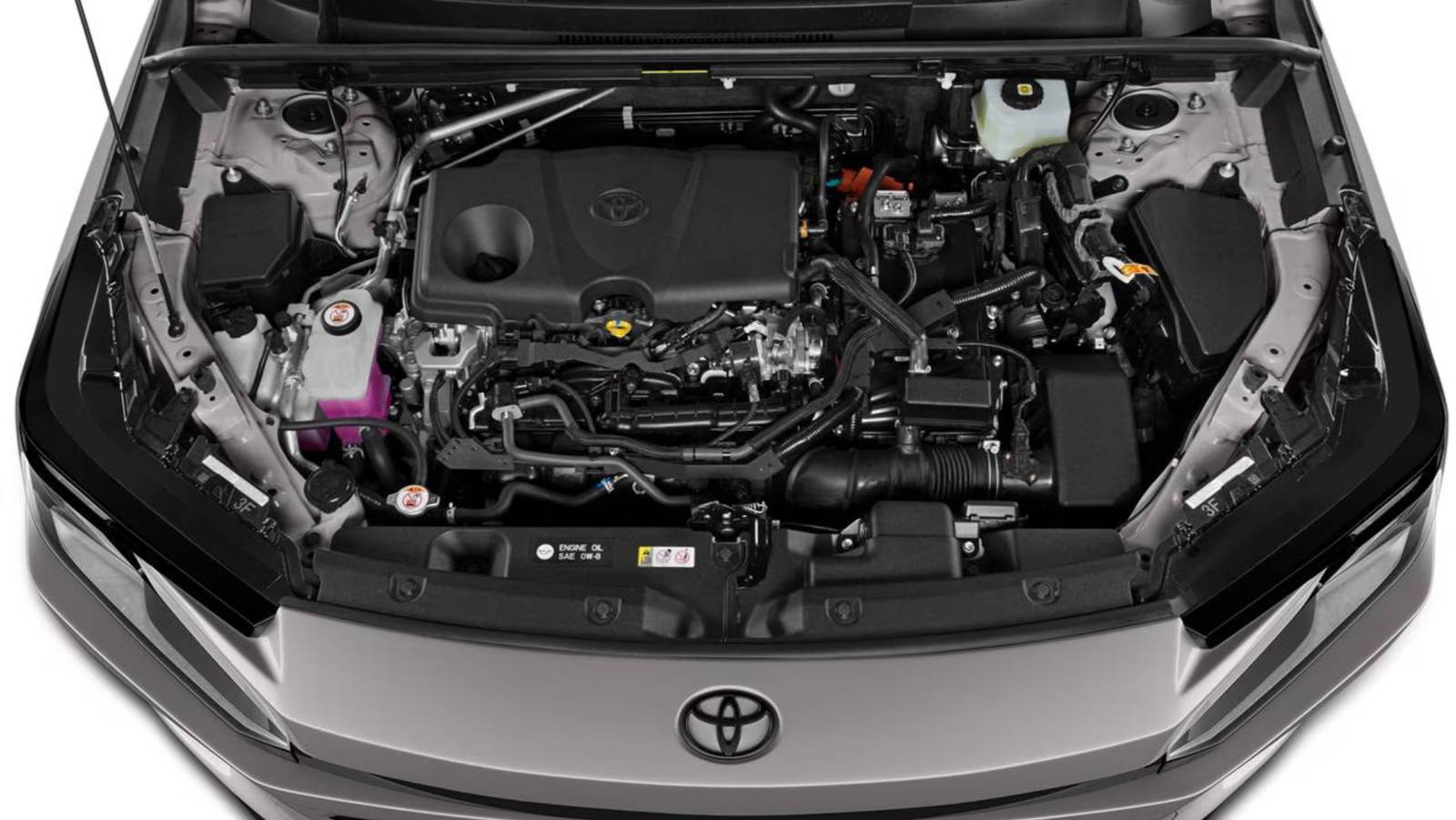
A woman who recently moved from Subaru to Toyota posed a question in a 2026 RAV4 owners group on Facebook that plenty of first-time Toyota buyers quietly worry about: does the dealer have to do the maintenance? Sharla Stanek asked whether it is best to always bring the car to a Toyota store or whether a reputable independent shop is fine. Her Subaru years, she said, taught her the hard way to stick with dealer service and OEM parts.
The short answer is no — you are not locked into the dealership to protect your warranty. But the 2026 RAV4 gives owners a reason to start there anyway.
ToyotaCare Covers the Early Visits
Every new 2026 RAV4 comes with ToyotaCare, which pays for factory-scheduled maintenance for 2 years or 25,000 miles, whichever arrives first. Toyota has bundled the program with new vehicles since the 2010 model year. With service intervals set at roughly 5,000 miles, that typically works out to about five complimentary dealer visits.
The plan covers engine oil and filter changes, tire rotations, fluid inspections and top-offs, multi-point checks, Toyota Genuine Parts and factory-trained technicians, plus service reminders and 24-hour roadside assistance for jump starts, towing, lockouts and tire help. It is not a blanket policy, though. Brake pads, wiper blades, tires and repairs outside the scheduled list are on you, so read the ToyotaCare booklet that shipped with the car.
The 2027 Change Makes a 2026 More Valuable
Here is something worth knowing before signing anything. For 2027 models, ToyotaCare shrinks to 1 year or 10,000 miles — less than half the old coverage. Toyota’s own 2027 Camry release confirms the shorter term alongside three years of roadside assistance. If a 2026 RAV4 is still sitting on a lot near you, it carries double the free maintenance of the car replacing it. Ask the salesperson to spell that out.
Your Warranty Survives an Independent Shop
Under the federal Magnuson-Moss Warranty Act, the FTC is clear that a manufacturer or dealer cannot void coverage simply because routine maintenance happened elsewhere or aftermarket parts were used. The exception is narrower: if a part or a shop’s mistake actually caused the failure, that specific claim can be denied. That is why paperwork is everything.
Keep the date and odometer reading, the shop’s name, address and phone number, the exact oil grade and quantity, filter and fluid part numbers, your VIN on every receipt, and photos or scans in one folder. A member named David suggested a practical middle path — genuine Toyota fluids, then an independent Toyota specialist once the warranty runs out.
That fluid advice holds up. Modern Toyota hybrids run very thin, low-viscosity oil along with specific coolants and transmission fluids, and the wrong spec is an easy way to create both a mechanical problem and a warranty argument. Matching the owner’s manual exactly takes the guesswork out, and quality aftermarket parts that meet the same specification are acceptable for many items as long as the receipt shows what went in.
Dealer and Specialist Do Different Jobs
Recalls, warranty claims, software updates and Toyota-specific diagnostic tools are dealer territory, and recall work is free only through Toyota. Oil changes, rotations, brakes, filters and fluid services done to Toyota’s schedule are fine at a good independent shop, often at lower labor rates.
Watch the upsells either way. One RAV4 owner was quoted $2,038 for a 30,000-mile service; another was pitched $300 to clean an induction system his schedule never mentioned. Your owner’s manual and Toyota’s warranty and maintenance guide are the best defense — if a service is not on the schedule, ask why before approving it.
There is one more layer for hybrid owners. The 2026 RAV4 is sold only as a hybrid, and Toyota covers hybrid batteries for 10 years or 150,000 miles, with other hybrid components at 8 years or 100,000 miles. If a hybrid claim ever comes up, records showing on-schedule service with the right fluids make the process far smoother — no matter who turned the wrench.
Sharla’s Subaru caution is understandable; Consumer Reports data has ranked Subaru maintenance costs worst among mainstream brands. The federal rules, though, apply to every brand sold here. What shifts between makes is how fussy a vehicle is about parts and fluids. Toyota owners have real choices, and with ToyotaCare covering the first two years and 25,000 miles, there is plenty of time to find a shop worth trusting.
Source: Torque News
Curious how this compares to other EVs? Try our comparison tool →What do you think?